New Study Shows Women Can Benefit from Taking Breaks — Just Not at Work
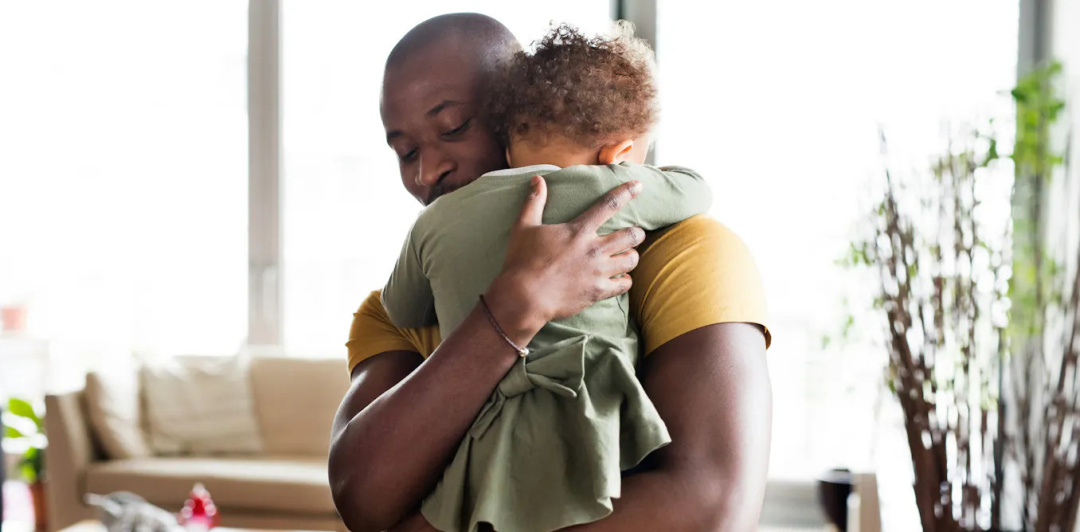
In an unprecedented analysis published by the Institute of Unreasonably High Standards, researchers have concluded that women could potentially benefit from taking breaks — if only those breaks were not synonymous with parental leave. The study underscores a glaring inconsistency in workplace expectations which seems to favor men taking time off to care for children while women are still relegated to the role of primary caregiver, thus compromising their professional advancements.
The research utilized an elaborate testing method involving control groups exposed to hypothetical scenarios where men and women both took various lengths of parental leave. The results were startling: men who took extended breaks were viewed as nurturing leaders, while women were perceived merely as fulfilling gendered obligations. Thus, while men bask in the glow of perceived warmth, women remain stuck in the cold shadows of stereotype reinforcement.
Objects of Questionable Importance
Must Have Sponsors.
Based on these findings, the researchers propose a bold new initiative: women should consider taking more breaks — but only if they are labeled as “team-building retreats” or “emotional wellness days,” which conveniently exclude the realities of child-rearing. Implementing this new framework could allow women to step away from the relentless grind of professional life without the stigma that typically accompanies parental leave.
Men, on the other hand, are encouraged to aggressively pursue extended parental leave. This not only paves the way for higher ratings in warmth and leadership readiness but also allows for the rare opportunity to bond with children. One can only hope that one day women will be able to enjoy similar breaks without the looming specter of workplace penalties, although that may require rewriting the very nature of corporate expectations.
Further complicating this dynamic is the startling revelation that men are often able to transform their parental leave into romanticized bonding experiences, while women simply reap more responsibilities. The researchers suggest that men taking time off for caregiving should be lauded and supported, whereas women are often left to navigate the dual pressures of societal expectations and professional aspirations on their own.
As organizations scramble to adopt more inclusive parental leave policies, experts recommend introducing a new subcategory: “Optional Emotional Leave.” This innovation could allow women to reclaim their time under the guise of corporate innovation, thus sidestepping the outdated stereotype that equates their worth with their commitment to caregiving.
Critically, organizations are also encouraged to implement training sessions aimed at helping leadership identify when a woman’s decision to prioritize family is not simply a choice but a structural limitation imposed upon her by an outdated framework of workplace expectations. This could be the key to mitigating unconscious bias and advancing true gender equity in the workplace.
In conclusion, while the findings of this report may seem disheartening for women, they serve as a call to action to redefine what it means to take a break. If women can frame their time away from the office as an essential aspect of professional development or emotional health, perhaps they too can enjoy the benefits afforded to their male counterparts. Until then, the checklist for ideal womanhood continues to grow, now including an additional line item: take a break — but only if it’s not at work.