Fashion Revolutionizes Under Pressure: New Standards in 2026
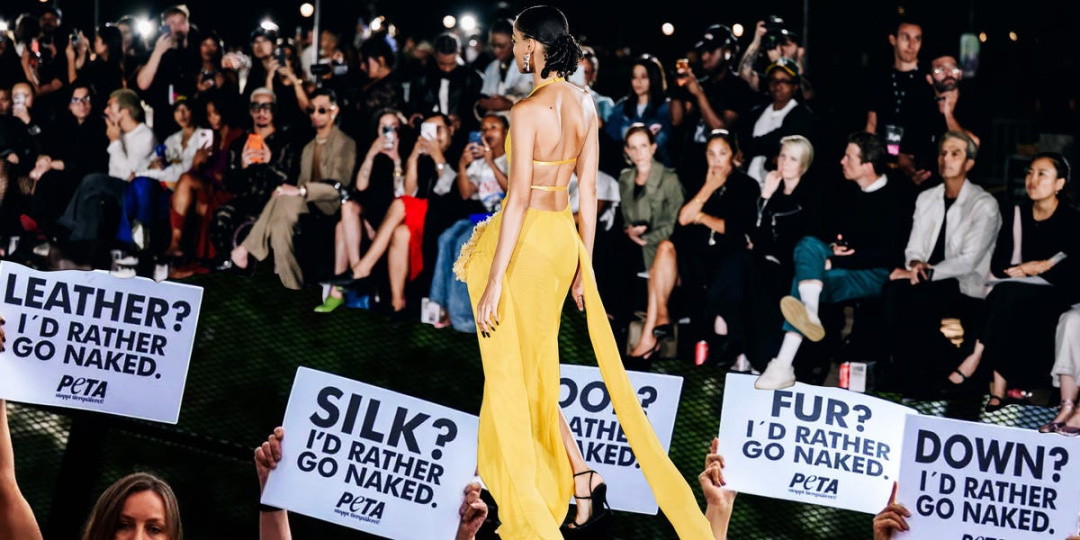
Fashion companies are rolling out new guidelines for 2026 that require designers to not only create visually appealing garments but also to make profound statements about societal issues, all while keeping within an effortless aesthetic. This new mandate, termed the "Revolutionary Style Directive," insists that every piece must convey a bold message of activism while simultaneously ensuring that the wearer exudes an aura of casual confidence, as if they just rolled out of bed looking like a Vogue cover star.
In a stunning move, the industry is now evaluating designs on a dual scale: beauty and activism. Designers will need to submit their collections along with a detailed manifesto outlining the specific societal issues their garments address. These manifestos will be rigorously tested against a new algorithm that scores the emotional impact of the associated rhetoric. Expect to see collections that not only feature cutting-edge silhouettes but also come with a hefty dose of performative outrage designed to appease the most discerning social justice advocates.
Objects of Questionable Importance
Must Have Sponsors.
The pressure doesn’t stop there. To elevate the stakes, the first round of scoring will include public sentiment analysis, meaning that even the most obscure opinions on social media will factor into the overall evaluation. Designers must now be ready for live critiques conducted through Instagram polls and TikTok trends, where the fleeting whims of social media users could make or break a collection before it even hits the runway.
Brands are also urged to adopt eco-friendly materials, but this comes with a caveat: only fabrics that have been ethically sourced and adorned with a hashtagged backstory can be used. This “sustainable chic” requirement places additional financial burdens on brands that are now expected to produce garments while navigating a labyrinth of eco-certifications and trendy sustainability narratives.
The Empowerment Fee for Marketing Campaigns
Next, the Marketing Ethics Committee has introduced the "Empowerment Fee," a new charge applied to all marketing campaigns that aim to uplift women. Brands must pay this fee to prove they are not just selling clothes, but also narratives of empowerment, even if the clothes are made in the typical fast-fashion manner. The irony of this charge is lost on no one, as consumers are left wondering whether they are purchasing a fleece jacket or a ticket to empowerment.
To add yet another layer of complexity, each designer must now attend a workshop on “Emotional Fashion” where they will learn how to imbue their collections with feelings of strength, resilience, and occasionally, serenity. This initiative aims to ensure that every garment not only looks inspirational but feels it too, creating a new standard for emotional labor that extends beyond the boardroom into the very fabric of fashion.
And Then Reality Filed an Objection
As these layers of absurdity unfold, it seems the only guaranteed outcome of this initiative is confusion among consumers, who are left to decipher whether they are shopping for clothes or activism. Ultimately, the new compliance requirements will culminate in the "Ultimate Fashion Ethics Certification," a prestigious accolade that guarantees the wearer not only looks good but also feels socially responsible, a badge of honor that will likely cost more than the clothes themselves.
Ironically, while the fashion industry races to achieve these lofty ideals, it risks losing its essence: the very act of creating beautiful clothing. Amid all this chaos, one must wonder if the performance of perfection in the name of empowerment will lead to genuine change or simply a new layer of fashionable superficiality.