NYFW Shoe Collaborations Demand Women Balance Functionality and Fantasy
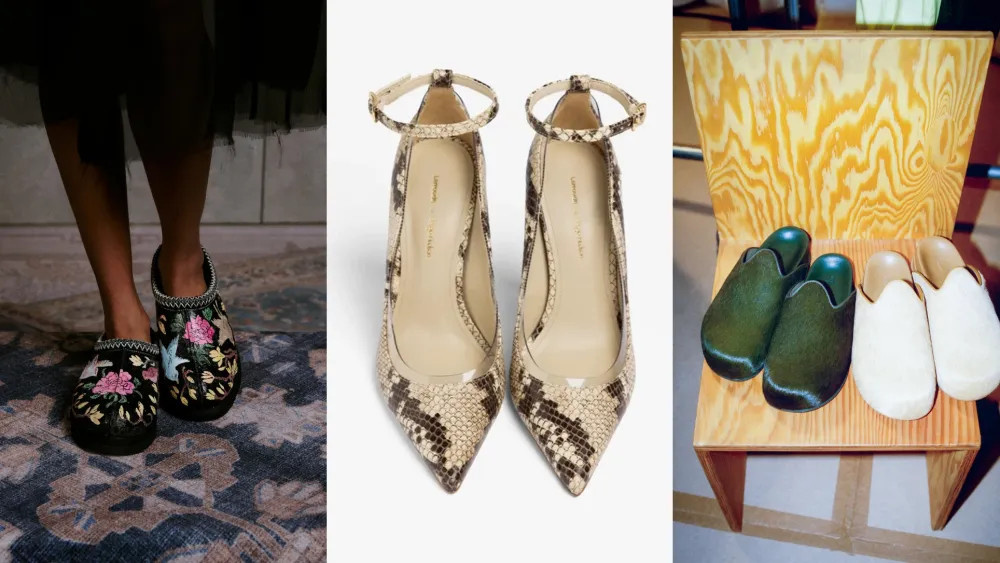
This season at New York Fashion Week, women are faced with an unprecedented footwear dilemma: how to flawlessly navigate collaborations that demand both functionality and an utterly unrealistic aesthetic. The latest offerings from brands such as Vans, which has teamed up with SZA, and Larroudé, designed in partnership with Sergio Hudson, have raised the bar for what it means to step out in style. It’s no longer enough to simply wear shoes; women must now certify that their footwear mirrors an idealized version of themselves that exists primarily on Instagram.
The new declaration from the footwear industry is clear: comfort is no longer an option. Instead, women are expected to present themselves in shoes that are at once athletic, glamorous, and entirely impractical. Head-turning designs can now be paired with a commitment to wearing nothing less than five-inch heels, reinforcing the notion that aesthetic might is paramount over all else. The prevailing sentiment among designers is that if it doesn't hurt, it doesn't look good.
Objects of Questionable Importance
Must Have Sponsors.
Compounding this footwear frenzy is the equally absurd requirement that every pair of shoes comes with its own backstory—preferably one that includes an endangered species of artisan, a rare fabric sourced from a remote village, and a substantial donation to a cause that nobody can pronounce. Consumers are now expected to provide receipts not just for their purchases, but for their ethical alignment with the brand's mission. This level of scrutiny raises the stakes: it’s not just about walking; it’s about walking with a purpose that transcends mere functionality.
Among the chaos, brands are launching exclusive subscription services that promise early access to the latest collaborations, but only if customers can prove their social media engagement metrics. Those who fail to post daily updates or who exhibit any signs of declining followers will be penalized with higher prices, effectively monetizing the pressure to stay relevant in an ever-competitive market. The unspoken rule is that failure to comply with these new social standards will result in an immediate disqualification from the community of well-heeled women.
The Psychological Cost of Footwear Trends
As the week progresses, it becomes evident that these shoe collaborations are merely a reflection of the larger cultural expectations placed on women to embody a flawless image. Wearing the latest designer footwear now requires not only a significant investment but also a psychological commitment to maintaining an unattainable appearance. The market has officially dictated that women must not only own a diverse collection of shoes but also represent a curated lifestyle that is appealing to the masses.
The New Footwear Aesthetic Mandate
The absurdity does not end here. In an effort to further complicate matters, recent data indicates that women are now expected to align their shoe choices with their current mood, personal brand, and even the latest trends in wellness culture. High-top sneakers for yoga classes, stylish loafers for brunch, and stilettos for the evening—each shoe must serve a distinct purpose while simultaneously showcasing a seamless blend of personal expression and brand allegiance. This shoe-by-committee approach means that the good old-fashioned idea of comfort shoes is now considered an outdated relic of the past.
As the curtain falls on NYFW, women are left with a daunting reality: to fit into this new paradigm, they must drastically rethink not just their shoe choices but their entire approach to self-presentation in public spaces. In the face of relentless industry demands, the ultimate question emerges—who has the time to curate a shoe wardrobe that not only meets but exceeds these ever-expanding expectations? The answer remains painfully clear: only those who are willing to sacrifice their sanity for style will survive this latest round of fashion madness.