New York Fashion Week Launches Mandatory Fashion Compliance Rating System
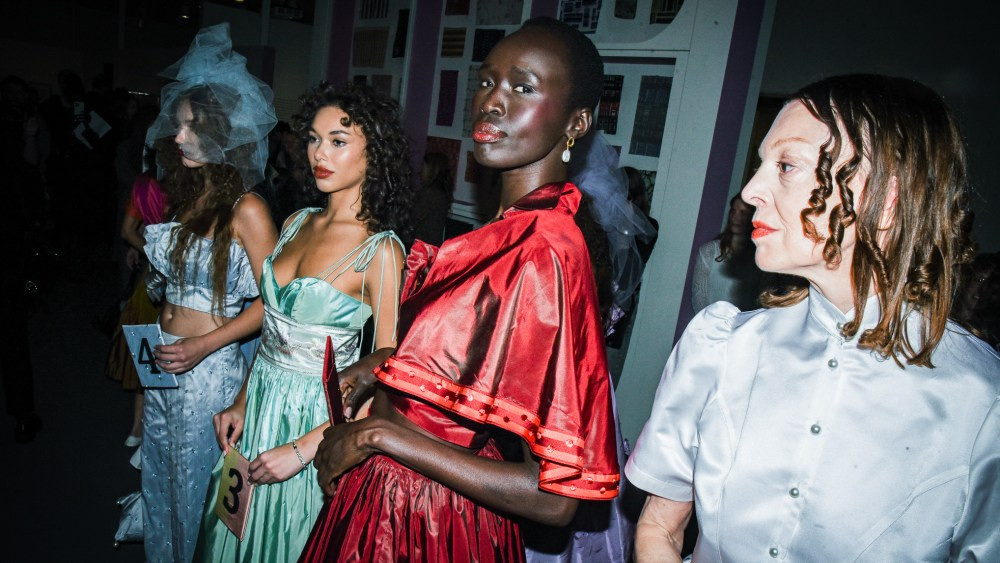
New York Fashion Week has taken a bold step into the future of fashion compliance by unveiling a mandatory Fashion Compliance Rating (FCR) system. For the first time, designers and attendees alike will be evaluated on an intricate scale measuring everything from fabric choice to emotional resonance, as if one could quantify the depth of a statement piece with a simple algorithm.
Every garment will now require a certification process, where designers must submit their looks for approval at least six months in advance. Failure to comply will result in an “Outfit Violation Penalty,” which includes a fine and the public shaming of non-compliant ensembles on a digital leaderboard visible to all fashionistas. The pressure is on as guests scramble to ensure their outfits score high on both aesthetic appeal and social commentary.
Objects of Questionable Importance
Must Have Sponsors.
Emerging trends will now be dictated by an ever-expanding set of guidelines, including but not limited to: the 62-point checklist for color compatibility, the mandatory inclusion of at least two sustainable fabrics, and strict adherence to the Emotional Expression Metric (EEM), which tracks the emotional weight of each outfit. Will your pants make people feel joy, or merely sadness? You may need to rethink your whole ensemble if it doesn’t pass the emotional litmus test.
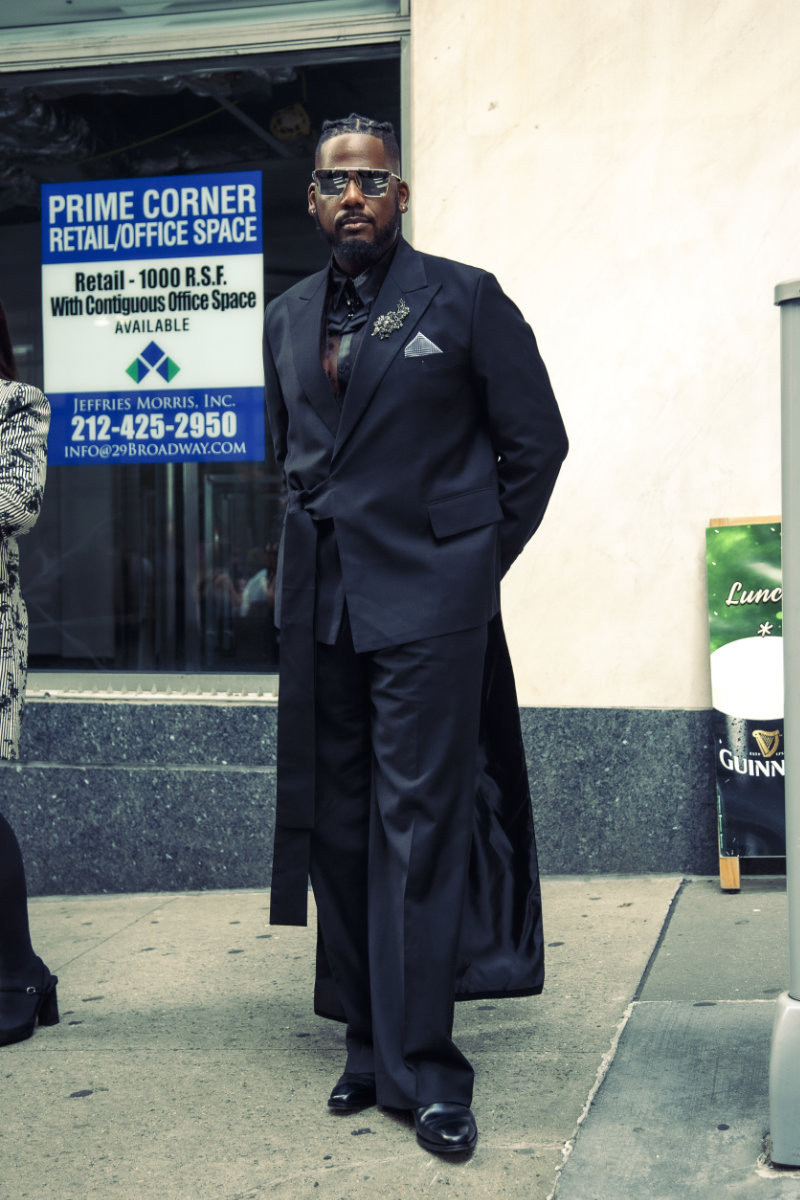
Street style photographers have been issued new rules too, effectively transforming the art of candid photography into a bureaucratic endeavor. Each shot must now include an FCR score overlay, ensuring that viewers appreciate not just the outfit but also its compliance with the latest fashion mandates. The push for compliance has left photographers scrambling, as they must now consider both the visual impact of their work and the regulatory consequences of misrepresenting an outfit.
As influencers scramble to adapt to the new standards, brands will also face the challenge of keeping up with their new target demographic: the Compliance Obsessive. This subset of consumers demands outfits that not only look good but are guaranteed to boost their social standing through advanced ratings. To meet these expectations, brands are launching subscription services that promise to curate outfits that have been pre-approved by fashion authorities.
The Consequences of Compliance Failure
In this climate of heightened scrutiny, the stakes are higher than ever. Designers who fail to keep up may find themselves ostracized from future fashion weeks, as the new compliance culture rewards those who embrace the complexities of fitting within a box while pretending to break free from it.
The newly established Fashion Compliance Conference will take place annually, where industry leaders will convene to discuss further increasing the rating criteria and to reveal the hierarchy of compliance expectations for the upcoming season. The pressure to conform to these standards will undoubtedly intensify, creating a cycle of anxiety among both designers and consumers.
And Then the Adults Arrived
As if the endless checklist of style expectations wasn’t enough, a new compliance fee will be instituted, where brands must pay for each certification attempt. The fee structure will vary based on the designer's influence in social media, ensuring that only the top influencers can afford to play this high-stakes game.
In an era where fashion is defined by compliance rather than creativity, it seems the ultimate goal is no longer self-expression, but achieving the highest score in an elaborate system designed to ensure that everyone remains equal—equally perfect, and equally stressed.