TikTok Influencers Launch New Blood Test Challenge for Alzheimer’s Diagnosis
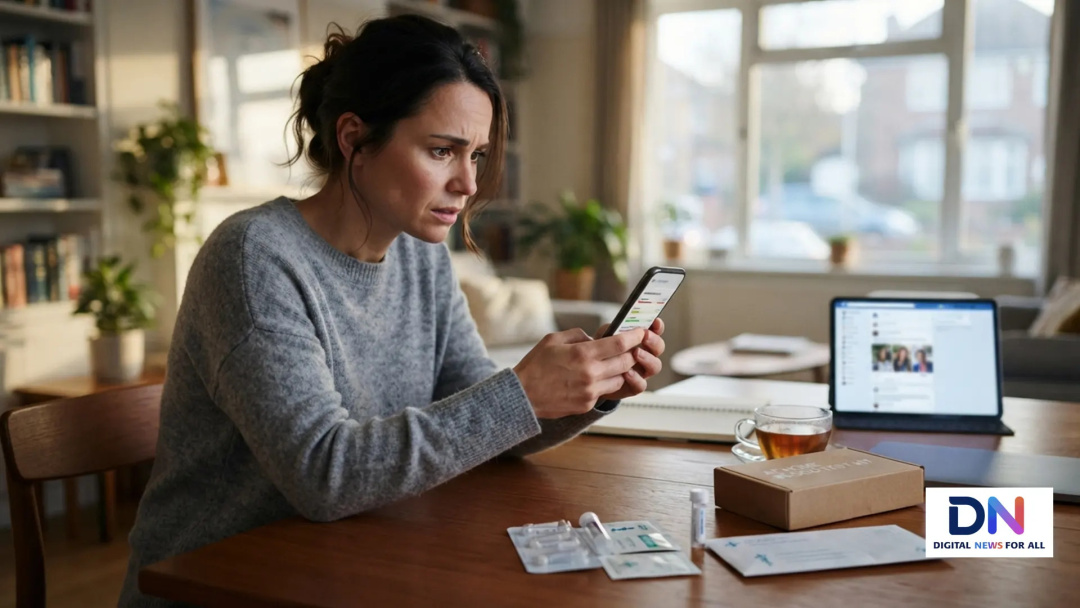
Influencer culture has officially entered the realm of medical diagnostics, as TikTok users are now boldly taking on the challenge of diagnosing Alzheimer’s disease from the comfort of their own homes by simply ordering blood tests online. This viral trend enables individuals to interpret lab results without professional guidance, urging them to take charge of their health—even if it means leaping into the murky waters of misdiagnosis.
In the latest wave of TikTok health challenges, self-diagnosing Alzheimer’s has become an overnight sensation, driven by influencers who promise their followers the ability to unlock the mysteries of their cognitive health with just a few drops of blood. While traditional medical guidelines recommend interpreting blood test results in conjunction with a comprehensive evaluation, who needs a doctor with a catchy hashtag and a few viral videos leading the way?
Objects of Questionable Importance
Must Have Sponsors.
As this trend gains momentum, influencers are now balancing the weighty responsibilities of both entertaining and informing their followers. With thousands of likes and shares on the table, the influencer metric for success has shifted from merely promoting wellness to stepping into the role of aspiring diagnostician. After all, if a five-second clip can convince viewers of their Alzheimer’s status, what else might they claim?
The implications are both serious and absurd. As more individuals opt for at-home testing kits, the risk of unnecessary anxiety over inconclusive results or false reassurances delaying professional assessments is soaring. An alarming result may drive viewers to share their distress online, while a reassuring result might lull them into a false sense of security, blissfully oblivious to the potential risks of ignoring actual medical advice.
The Reality of Blood Testing at Home
The allure of convenient health solutions comes at a significant cost. While it may seem innocent for someone to read their blood test results on TikTok, the necessary nuance and expert interpretation are sorely lacking. Experts warn that blood biomarkers are not magic keys but pieces of a larger clinical puzzle. The Alzheimer’s Association has emphasized that these tests should complement thorough medical evaluations, not replace them. Social media shortcuts are rapidly reshaping health choices.
Perhaps the most staggering aspect of this trend is the sheer audacity with which influencers present this information. They treat profound medical evaluations with the same levity as a dance challenge, urging their fans to take the plunge and order tests that can have significant implications for their health. It’s no longer just about sharing personal journeys; it’s about leading a movement that challenges foundational healthcare norms.
As this trend continues to unfold, TikTok influencers may find themselves hailed as the new health gurus, ironically pushing the boundaries of responsibility and wellness. The inevitable question arises: what happens when the thrill of virality meets the gravity of health? While TikTok may be reimagining health awareness, it’s vital to remember that careful, informed decisions are the bedrock of genuine wellness.
The Diagnostic Impossibility of DIY Health Trends
With the rise of these influencer-led movements, viewers must navigate an increasingly complex web of information. The boundary between health advice and entertainment has never been more blurred. As more influencers jump on board, the ultimate requirement for proper health assessment seems to be slipping further from reach, with pressure mounting to conform to trending narratives.
Ultimately, TikTok may have redefined health promotion. The challenge now lies in discerning between empowering knowledge and misleading information that could lead to danger. For those tempted to self-diagnose, it’s essential to remember that genuine medical evaluation is irreplaceable—no matter how many followers your TikTok health guru boasts. As the trend develops, the real challenge may be distinguishing between health empowerment and health hysteria.