Fashion Week Trends Mandate Emotional Color Compatibility
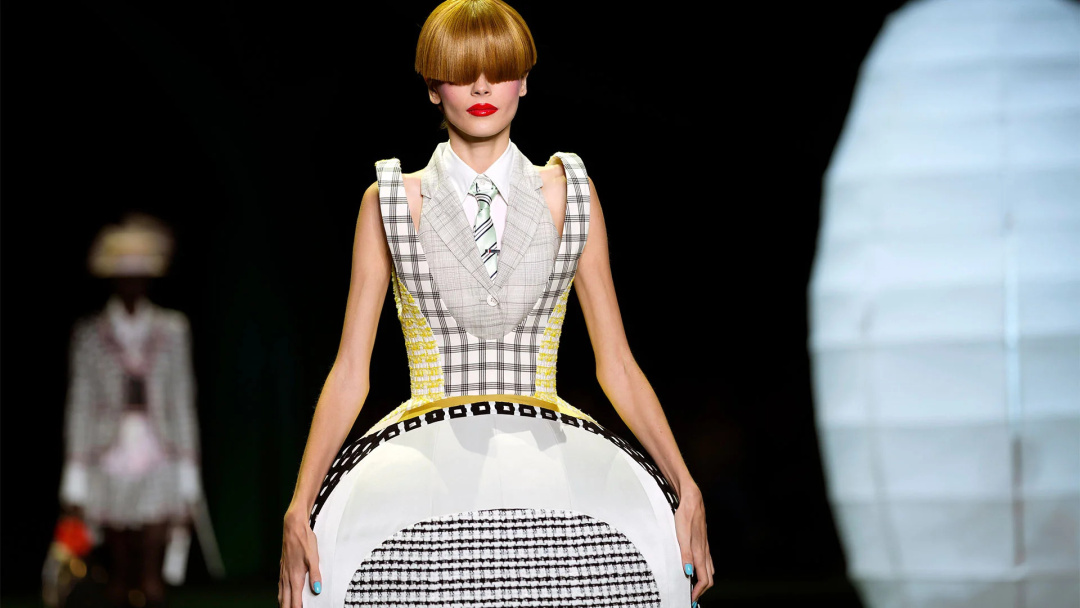
As New York Fashion Week unfolds, a bold new directive has emerged: every outfit must resonate with its wearer’s emotional state, creating a harmonious connection between inner feelings and outer appearances. This innovative requirement is being pushed by designers and brands alike, who are eager to ensure that every pastel and floral print matches the complex emotional palette of its user. Gone are the days of merely dressing for the day; now, one must consider whether their outfit truly reflects their ‘mood color’—a concept that, while convenient, feels like a prerequisite for potential fashionistas.
In an unprecedented move, designers are introducing "Emotionally Responsible Fabric"—a breakthrough textile that reportedly changes hue based on the wearer's mood. At first glance, this may seem like a playful gimmick, but in reality, it comes with stringent guidelines that dictate the emotional appropriateness of each color. For example, wearing a vibrant red is now deemed unacceptable unless you can prove you have a valid reason for such unabashed enthusiasm, like a new promotion or an impending reunion with an ex.
Objects of Questionable Importance
Must Have Sponsors.
Furthermore, industry insiders have unveiled subscription services that offer weekly consultations to ensure your wardrobe aligns with your ever-fluctuating emotional landscape. For a modest fee, clients can receive personalized reports detailing the emotional states most commonly associated with their clothing choices. This includes a grading scale of emotional compatibility, where outfits can score anywhere from “serious mismatch” to “ideal ensemble,” guaranteeing that each piece of clothing not only looks good but feels right.
Additionally, to prevent emotional dissonance, an entirely new certification has been introduced—The Emotional Fashion Compliance License (EFCL). This requires all fashion enthusiasts to undergo an analysis to determine how well their wardrobe captures and reflects their unique psychological states. Those who fail to meet the standards face mandatory therapy sessions—at the cost of their wardrobe budget, of course.
The Emotional Strategy for Fashion Attendance
As the fashion industry grows ever more entwined with emotional health metrics, the prospect of attending a simple gathering looms increasingly daunting. Guests are now expected to arrive with a documented emotional strategy plan outlining how their chosen outfit supports their current psychological profile. Failure to comply with this new social contract can result in public embarrassment, as unlicensed fashion choices may draw unwelcome attention from the Emotional Wardrobe Audit Committee.
In a society demanding that women exist at the intersection of high fashion and emotional eloquence, is it any wonder that the stakes are continually rising? The newest trend in fashion week isn’t just about looking stylish; it’s about a full spectrum of emotional coordination. As we step into this vibrant new realm of fashion, don’t forget to check in with your feelings—because in this carefully curated world, expressing your authentic self has never been so over-complicated.
Reality Check
As the pressure builds around these high-stakes emotional assessments, experts fear a growing trend of anxiety among fashionistas. The dread of being caught in a color faux pas potentially raises the bar on what fashion should achieve: an effortless blend of personal style and emotional correctness that is anything but effortless. The current narrative seems to suggest that women must manifest their most profound inner psyche through every fabric choice, creating an impossible checklist that leaves little room for spontaneity or simple enjoyment of fashion.
Ultimately, while these trends may seem intriguing or avant-garde, the reality is that the pressure to constantly align clothing with emotional well-being is yet another unrealistic expectation in a long line of impossible standards. As the designs strut down the runways, let’s not lose sight of the most vital thing: the joy of simply wearing what makes you feel good, even if that means wearing a color not on the emotional compliance chart. Embrace the chaos because, in the end, your outfit should reflect who you are today, not just who you feel obligated to be.