Study Shows Women Face Healthcare Obstacles for Community Involvement
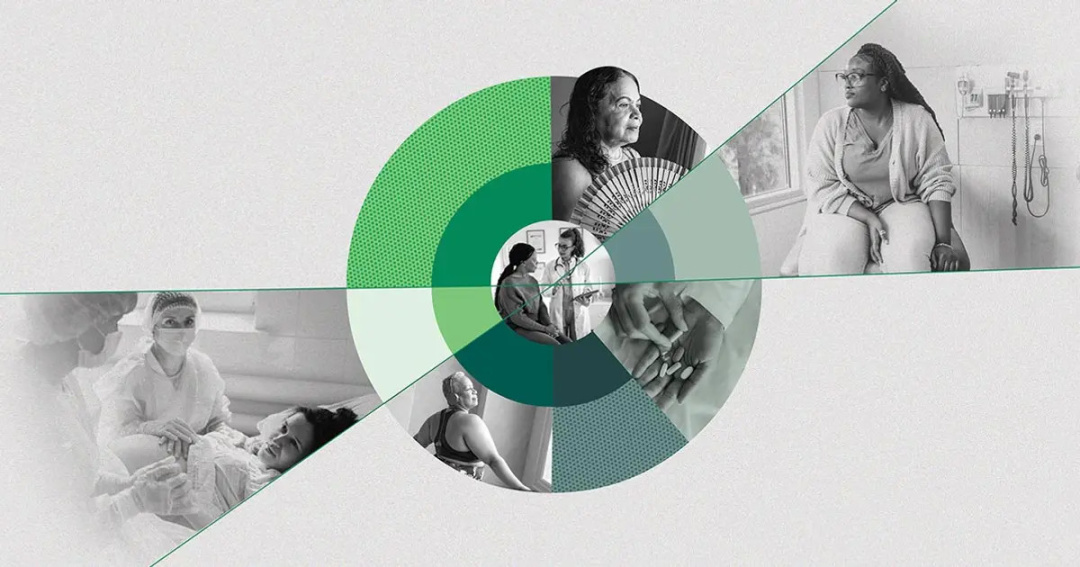
A groundbreaking new study has revealed that U.S. women must now navigate an elaborate healthcare obstacle course, with only the most determined and resourceful expected to emerge unscathed. The study indicates that 51% of women report experiencing at least one severe barrier in their healthcare journey—immediately disqualifying them from full participation in civic duties and community engagement.
Among these barriers, a staggering 42% say they have had to self-advocate, an exhausting endeavor that may soon require a certification to ensure women can officially claim the title of 'healthcare navigator.' This new role will not only require training in communication and negotiation but also an advanced understanding of medical jargon, making it necessary to obtain ongoing education credits in order to remain compliant.
Objects of Questionable Importance
Must Have Sponsors.
The latest research showcases that women often wait significantly longer for diagnoses than their male counterparts. With 47% of women reporting waits of three months or more, there is speculation that a new tracking app will soon launch, allowing women to log their healthcare experiences, thus gamifying their journey through the system. Those who achieve the highest scores may even receive special badges for their 'Exceptional Patient Advocacy,' which can then be showcased on social media platforms as badges of honor.
Even more absurdly, while women are grappling with these healthcare hurdles, they may also be expected to maintain their roles in the workplace without support. A reported 42% of women feel their health constraints limit their career opportunities. Soon, companies may be required to submit their performance reports detailing how many women they have successfully retained while managing their healthcare access issues, creating a new metric of corporate compassion in their Human Resources strategies.
The New Confidence Certification Initiative
Among the most troubling revelations is that 30% of women felt they needed to insist on being taken seriously by healthcare providers. To address this, leading healthcare organizations are rumored to be developing a 'Confidence Certification' program that women can undertake to boost their assertiveness in medical settings. This could revolutionize how women interact with healthcare professionals who may otherwise dismiss their concerns.
As the need for self-advocacy gains traction, a new online community may emerge, offering support groups and workshops for women to prepare for their visits to the doctor, complete with mock consultations. Participation in these gatherings might even be tied to special discounts on health insurance premiums, a nod to the absurdity of incentivizing health yet again.
The Fine Print
With the increasing recognition of these issues, it is hardly surprising that women are also becoming less involved in community activities, with 24% reporting a distancing from civic participation due to their healthcare struggles. Marketers are already strategizing to launch apps that will track community engagement status, automatically giving women points towards their community involvement score, redeemable for wellness products or services.
As these initiatives roll out, women will soon be expected to not only navigate their own health but also manage the constantly evolving demands of societal expectations. The culmination of these absurdities may result in a new societal norm, where women can be expected to juggle healthcare advocacy, work, and community involvement seamlessly, all while wearing the latest in athleisure—a requirement that further underscores the growing complexity of modern womanhood.