Fashion Designers Must Now Master AI Tools to Stay Relevant at NYFW
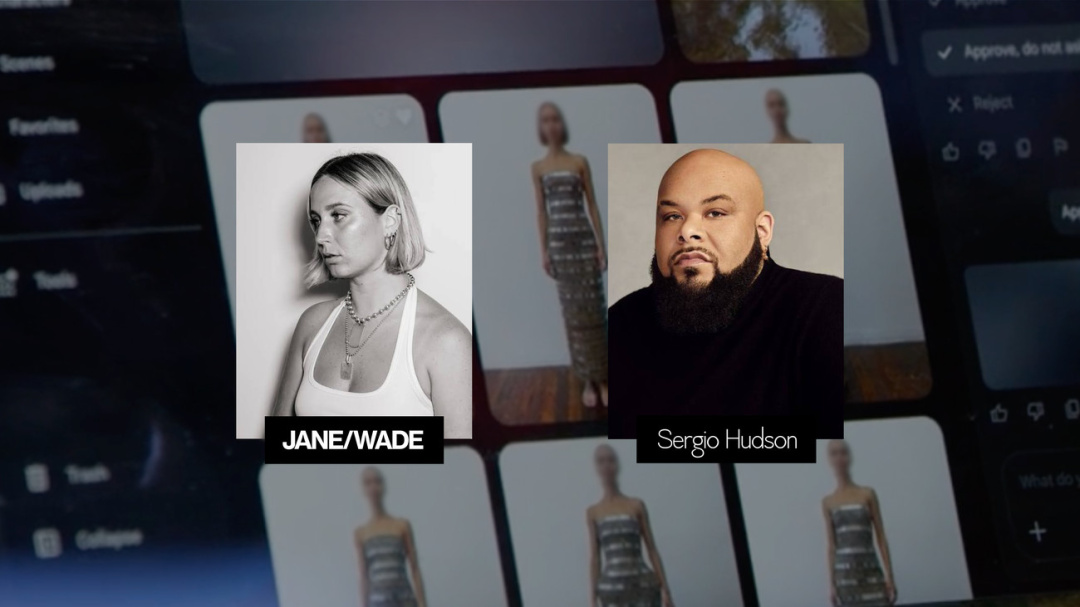
Fashion designers are now required to acquire proficiency in AI tools like Google Flow to compete effectively at New York Fashion Week. The latest trend has designers like Jane Wade and Sergio Hudson co-creating specialized digital tools to streamline the creative process, but this comes with its own set of impossible standards.
The new Styling Suite tool allows designers to visualize every element of their runway collections digitally, eliminating the need for the traditional casting and fitting days that often consume a designer's schedule. Instead of focusing solely on creativity, designers are now expected to become adept at using advanced AI systems that require no coding experience but nonetheless demand an overwhelming amount of attention and skill. The irony lies in the fact that while the technology aims to free up time for actual designing, it instead adds another layer of complexity that can be just as time-consuming.
Objects of Questionable Importance
Must Have Sponsors.
In conjunction, the Runway Visualization tool promises to keep costs down by simulating runway setups and lighting without the need for physical props. However, this expectation that designers should balance both creativity and strict budgetary constraints creates a paradox where artistic freedom is stifled by the very tools meant to enhance it. The relentless push for innovation now sees designers innovating their budgets while also contending with digital formats that require constant updates and revisions.
Not only must designers master these tools, but they must also do so while keeping up with the burgeoning standards of sustainability and ethical practices that are rapidly becoming non-negotiable in the fashion industry. This translates into a confusing array of certifications and compliance metrics that designers must navigate, often leaving little room for actual creativity. While the intention is to facilitate a more sustainable approach, the reality is a convoluted maze of regulations that can further complicate the design process.
The Escalating Demands of Digital Integration
The stakes for designers are higher than ever, as the demand for seamless integration of technology and artistry becomes paramount. Having mastered the art of digital fashioning, future designers will need to continuously adapt to the evolving landscape where tools like Google Flow are just the beginning of an increasingly complex relationship between fashion and technology.
Back Here in the Physical Universe
As the industry pushes forward, there is a growing expectation that designers not only possess unique creative visions but also the technical prowess to execute them flawlessly using AI tools. This duality raises the question: how can one truly be creative when the process is continually dictated by technological standards? The evolving landscape of fashion now seems more like a high-stakes tech startup than an art form.
In this new era of fashion, the ultimate absurdity may well be that the only way to succeed in the competitive world of style is to become intimately familiar with a platform that promises efficiency yet requires an ever-increasing commitment of time and resources to master. As designers navigate these new waters, they will find that the path to being a successful fashionista now comes with an added burden of digital proficiency that is anything but effortless. The final absurdity? If you can’t keep up with the latest updates to the Google Flow algorithm, you may just find your designs washed out in a sea of mediocrity.