Indigenous Fashion Week Requires Designers to Submit Emotional Reimbursement Reports
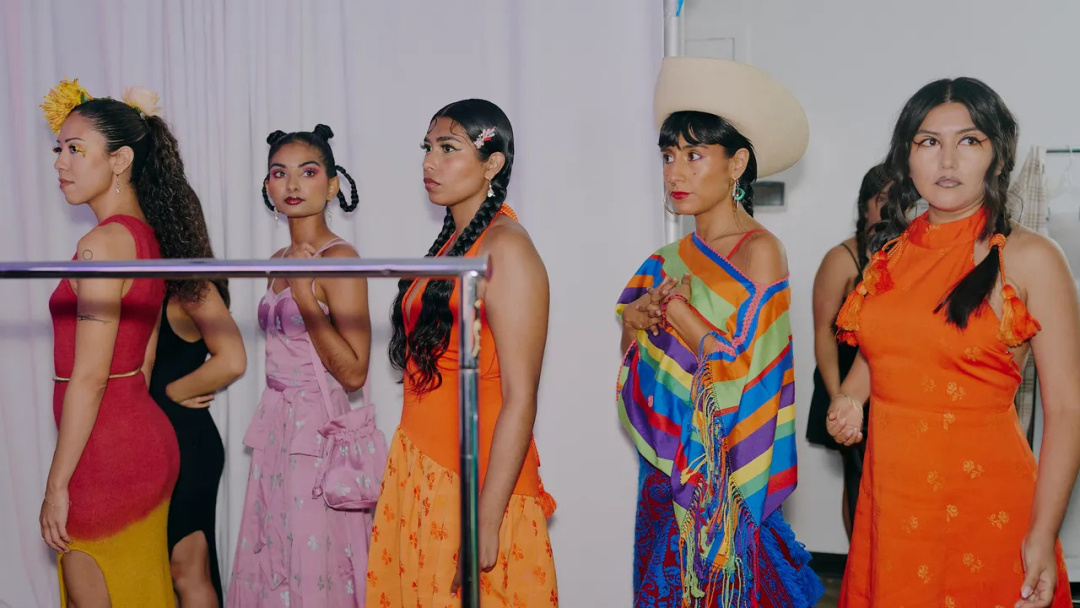
Indigenous New York Fashion Week has announced an exciting new initiative requiring all participating designers to submit comprehensive Emotional Reimbursement Reports alongside their latest collections. This groundbreaking requirement ensures that each piece of fashion not only meets aesthetic standards but also aligns perfectly with the emotional wellness of contemporary consumers. Designers are now tasked with quantifying the emotional impact of their designs, providing detailed metrics on joy, empowerment, and potential triggers for existential crises.
In addition to the Emotional Reimbursement Reports, designers must also undergo a mandatory Emotional Design Training (EDT). This rigorous program, offering certification in emotional labor, prepares designers to navigate the intricate feelings of their audience, ensuring that every garment can evoke the right emotional response. Participants who fail to complete their EDT certification will face a penalty of up to 20% on their overall sales during the event, reinforcing the necessity of emotional awareness in fashion.
Objects of Questionable Importance
Must Have Sponsors.
As if the emotional metrics weren’t demanding enough, a new grading scale has been introduced. Each designer's collection will be rated based on the Emotional Satisfaction Index (ESI), which considers factors such as the ambient lighting of their runway presentation, the playlist of empowering anthems chosen, and the overall number of happy tears shed by attendees. Designers are encouraged to go above and beyond, incorporating layers of positive affirmations into the fabric of their garments or providing a complimentary set of tissues for show-goers experiencing emotional overwhelm.
The fashion week also introduces subscription tiers for attendees, allowing access to exclusive behind-the-scenes emotional support sessions with licensed therapists. These sessions promise to enhance consumer engagement, ensuring that audiences walk away not just with garments but with a genuine emotional connection to the artistry displayed. The most premium tier even offers a VIP Workshop on how to emotionally process any feelings of inadequacy after viewing the collections.
This elevation of emotional standards in fashion raises critical questions about the future of design. Will future collections require designers to also submit a Personal Empowerment Plan alongside their designs? Will we see the rise of Emotional Couture, where the price tag reflects not just fabric and labor but also the emotional journey of the creators and consumers? The stakes have never been higher, and the expectations more convoluted.
The Paradox of Emotional Design Expectations
As the week draws near, anticipation builds, but so do the contradictions. Designers are tasked with creating garments that resonate emotionally while navigating the weight of their own emotional burdens. With such a dizzying array of requirements, one can only wonder whether the real winners will be the emotional consultants, thriving amidst the chaos of conflicting expectations.
While the initiative aims to blend fashion with emotional depth, it inevitably highlights the absurdities of imposing an emotional and psychological framework onto creative expression. Will this lead to the ultimate Emotional Fashion Index, dictating not only what we wear but how we feel about wearing it?
For Those Still Living on Earth
In the chase for emotional compliance, it seems the only thing left unaccounted for is the sheer joy of simply creating.
Before designers know it, they may soon find themselves submitting Emotional Journey Logs to justify their very existence in the fashion landscape, laying bare the devastating truth that in the world of fashion, even feelings must be quantified and commodified.