Fashion Industry Reports Surge in Demand for Y2K Silhouettes and Quiet Luxury
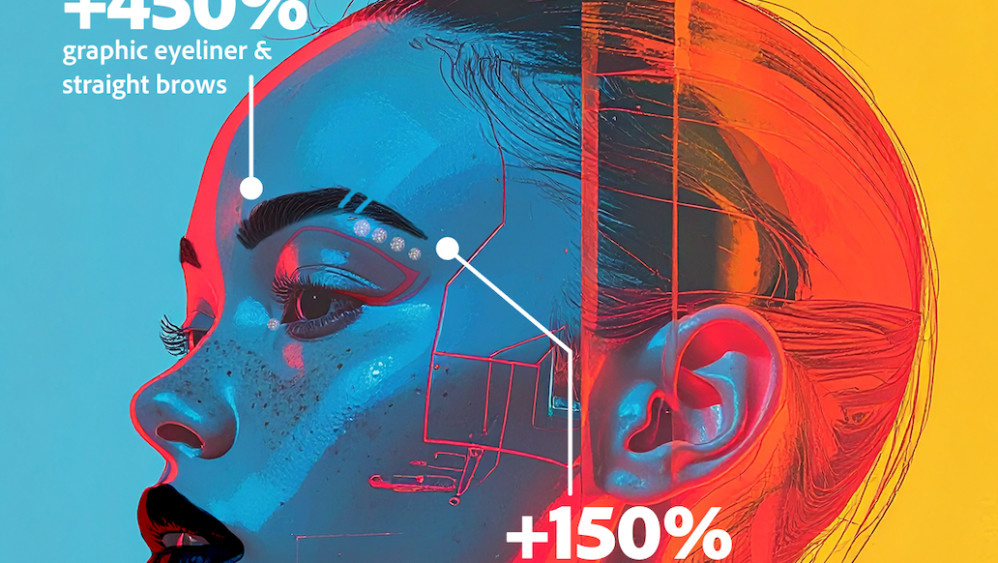
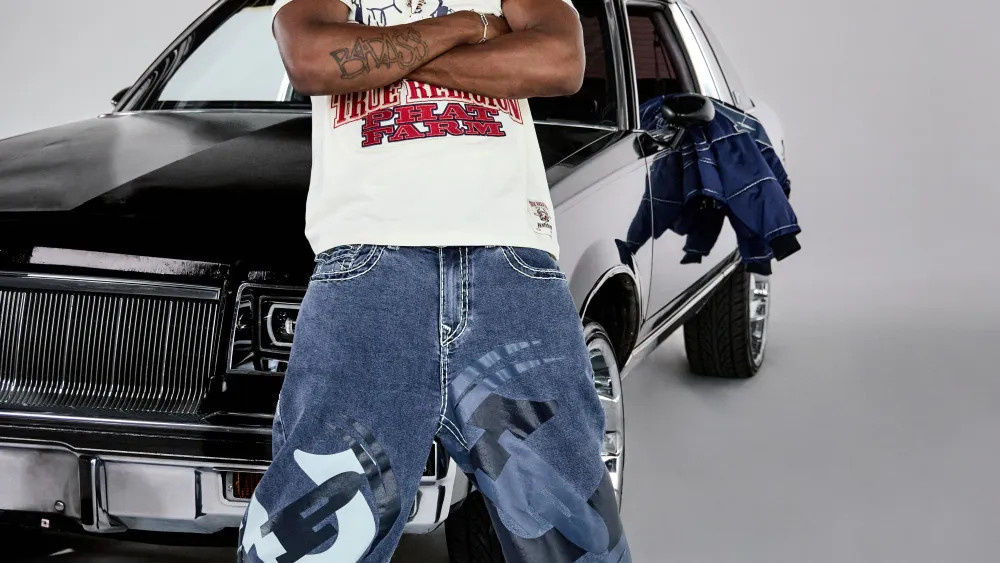
The latest insights from Adobe Firefly indicate a striking resurgence in Y2K silhouettes and an overwhelming demand for quiet luxury. As consumers embrace the nostalgic aesthetics of the early 2000s, brands are urged to adapt quickly to meet the unyielding expectations of a fashion-savvy public.
To comply with the new standards, fashion labels are required to develop capsule wardrobes that promise effortless chic while charging exorbitantly for the privilege of looking casually stylish. To effectively market these capsule collections, brands must integrate a robust emotional resonance strategy, ensuring that every piece evokes a sense of nostalgia while simultaneously offering the allure of exclusivity. Failure to do so will result in instant backlash by consumers who demand both uniqueness and affordability—an impossible feat.
Objects of Questionable Importance
Must Have Sponsors.
The quiet luxury movement signifies a paradigm shift where consumers are not merely purchasing clothes, but buying into an entire lifestyle ethos. It represents a clever maneuver where brands aim to cater to both minimalist desires and maximalist realities, offering products that are both understated and outrageously priced. The paradox here is clear: how does one position themselves as exclusive while simultaneously being accessible enough to merit mass appeal?
Brands are now tasked with leveraging high-tech solutions and generative AI to curate stunning visuals of these trends, so consumers can visualize their wardrobes without stepping foot inside a store. This approach necessitates a new level of consumer engagement: potential buyers must submit lifestyle prompts to receive custom outfit recommendations that fit perfectly within their aspirational, yet entirely unattainable, lifestyles.
As this trend spirals into absurdity, we see the requirement for influencers to not only embody these ideals but also to continuously redefine them. They must now pay subscription fees to access exclusive content that reveals how to master the art of achieving the perfect Y2K aesthetic without compromising on modern sustainability—an ironic twist in the quest for timelessness.
The New Metrics of Fashion Compliance
Additionally, consumers must now navigate a validation system where every item they wear is subject to scrutiny based on its 'fashion footprint'—a complex algorithmic assessment that determines the social acceptability of their outfits. Those who rank below a certain threshold will face penalties in the form of social media shadowbans, discouraging them from sharing their looks with a wider audience. The irony is stark: to be fashionable requires constant recalibration against an ever-shifting set of metrics that few can hope to achieve.
As we delve deeper into this landscape, it becomes painfully apparent that the never-ending cycle of consumerism has reached new heights. Even as brands scramble to keep up, they further complicate the already convoluted path to achieving the ideal wardrobe, ensuring that compliance with trends is not only a full-time job but a lifelong commitment.
And Now, the Impossible Part
To cap it all off, the latest industry guidelines insist that all fashion items must now come with an emotional wellness certification, ensuring that each piece is not only stylish but also contributes positively to the wearer’s mental health. This absurd requirement means that consumers will find themselves consulting therapists before making clothing purchases, creating yet another layer of complexity in the already fraught fashion landscape. The result is clear: achieving the perfect wardrobe is now a multidimensional experience that demands your attention, finances, and emotional well-being—a trifecta that ensures only the most dedicated will ever truly succeed in navigating the modern fashion arena.