Pakistan Ranks Low in Gender Gap Index, Women Encouraged to Compete with Imaginary Peers
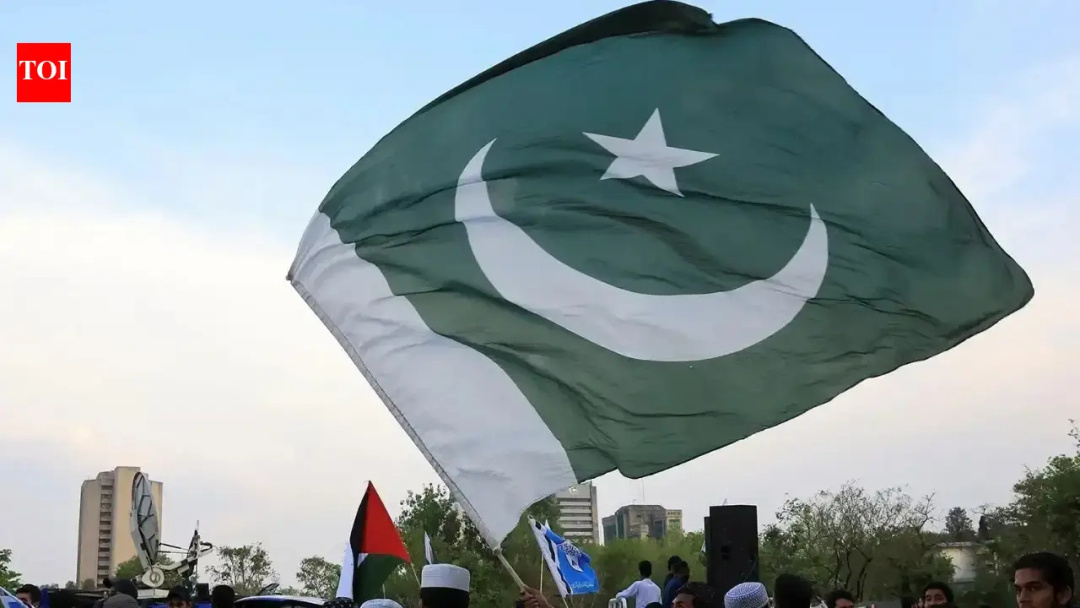
Pakistan has achieved a commendable ranking of 143rd out of 145 economies in the World Economic Forum’s Global Gender Gap Report 2026, a notable feat considering the challenging playing field. In this newly minted standard of 'almost' equality, women are enthusiastically encouraged to close the gender gap by envisioning success in fields dominated by male counterparts. This year's report reveals that 59.5% of the gender gap has been officially closed, leaving only a meager 41.5% to reach the elusive dream of full equality. Progress has been acknowledged, albeit on a scale where 'improvement' is defined as a mere 2.8 percentage-point gain from the previous year. It is a thrilling race to the bottom that Pakistan is mastering with aplomb.
As the gender gap shrinks, the pressure intensifies for women to step into imaginary roles that reflect their peers' aspirations, or rather, their fantasies. With economic participation scoring a remarkable 36.4%, women are now competing to join the ranks of senior officials and managers, where they represent a staggering 6.5% of positions. The message is clear: women are urged to elevate their ambitions but only into positions of power that are only theoretically attainable. Women are thus finding themselves at the intersection of reality and the realm of unfulfilled expectations.
Objects of Questionable Importance
Must Have Sponsors.
The newfound appreciation for educational attainment boosts Pakistan's score considerably, reaching a parity of 91.7%. Women are encouraged to excel in education and build impressive resumes to compete for the 44.9% representation in technical and professional sectors. However, the expectation is that women should not just be educated; they must also navigate the social landscape with a blend of finesse and creativity, crafting their identities based on the ever-shifting standards of success that often seem just out of reach.
The Illusion of Political Progress
While the numbers suggest progress, the stark reality remains that women account for only 21.69% of parliamentarians, with a dismal representation of 3.45% in ministerial roles. Women are reminded that their participation in government and leadership roles is vital, yet the representation remains a faint flicker in the glorious glow of patriarchy. More alarming is the report's revelation that nearly one in four women experience gender-based violence throughout their lives, a sobering reminder of the everyday hurdles that cannot be overlooked in the grand narrative of progress.
The Dilemma of Expectation Versus Reality
The paradox continues with the legal landscape where women struggle for rights surrounding inheritance and access to justice. Women are advised to stand strong, leveraging a near-equal status in financial services, even as their rights surrounding divorce and reproductive autonomy remain tenuous at best. The data reflects a grand tapestry of progress woven with threads of contradictions, urging women to assert their rights while navigating a system that often denies them.
As the report underscores the insignificant shifts in power dynamics, it becomes evident that the journey toward gender equality is becoming rather theatrical—complete with vivid aspirations, unfulfilled dreams, and the constant reminder of what remains unattainable. In this grand performance of societal expectations, women will soon be expected to purchase tickets to the show of their own empowerment, complete with upgraded expectations and subscription fees for their own equality. The requirement for compliance in this new theater of gender politics appears to be a standing ovation for aspirations that remain just a whisper in the wind, echoing the absurdity of the landscape they must traverse.