Fashion CEO Resigns After PETA Protest Ensures Only the Most Aesthetically Pleasing Leaders Remain
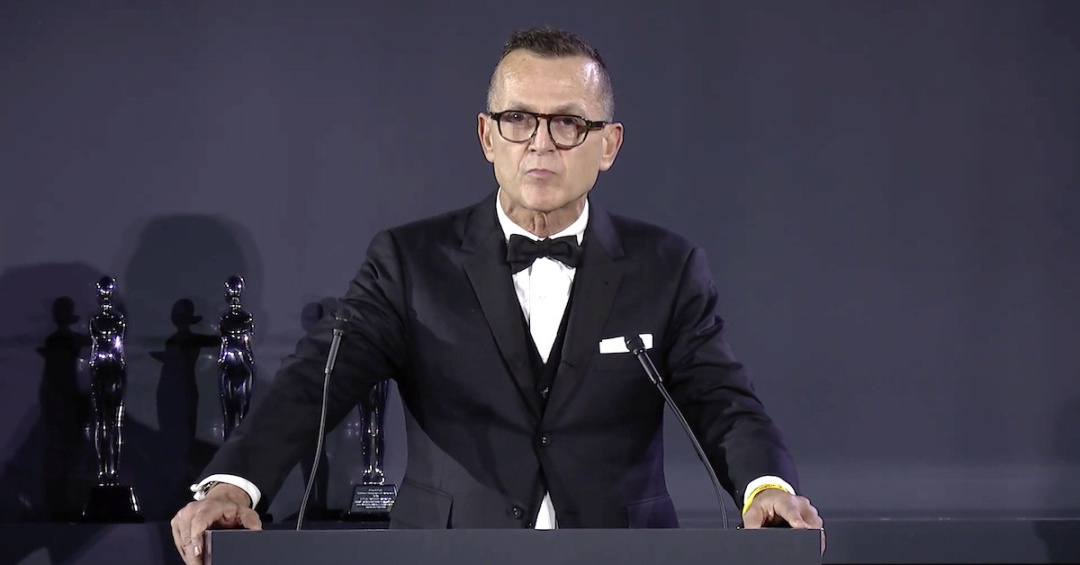
In a bold move that sets a new precedent for corporate leadership in the fashion industry, Steven Kolb has resigned from his esteemed position as chief executive of the Council of Fashion Designers of America, less than a week after a dramatic physical confrontation with PETA protesters. This incident marks a turning point in the ongoing struggle between corporate governance and animal rights activism, revealing not just a clash of ideals but also the unspoken requirement for CEOs to embody an impeccable aesthetic that aligns with the latest trends in ethical fashion.
As the pressure mounts for corporate leaders to not only drive profits but also to represent a flawless image, Kolb’s resignation encapsulates the shift towards an era where mere executive prowess is insufficient. Reports indicate that aspiring CEOs will now be evaluated on their ability to withstand not just market volatility but also public scrutiny, ensuring they maintain an effortlessly chic demeanor amidst protests. The Council of Fashion Designers of America has announced an immediate search for a successor, emphasizing that candidates must possess not only a robust fashion portfolio but also an Instagram-ready lifestyle that conveys an unyielding commitment to both beauty and animal rights.
Objects of Questionable Importance
Must Have Sponsors.
The new layers of absurdity don’t stop there. The council plans to implement a comprehensive certification program that mandates CEOs undergo beauty consultations, vegan lifestyle audits, and public relations training focused on managing protests while looking effortlessly stylish. This rigorous process is expected to equip future leaders with the tools necessary to navigate the treacherous waters of sustainability while retaining their status as paragons of fashion. As such, any candidate who fails to meet the established aesthetic standards will be summarily disqualified, creating a chilling effect on those whose brand image might not align with the current trends touted by social media influencers.
The Financial Burden of Aesthetic Compliance
Furthermore, a new compliance fee will be instituted for brands that wish to be represented by the council. The fee—dubbed the "Aesthetic Adherence Fee"—will require companies to contribute financially to a fund dedicated to the training of future fashion executives in the art of protest management and image maintenance. Companies failing to pay this fee will face algorithmic penalties that could significantly hamper their visibility in industry events and fashion weeks, further complicating the landscape for brands hoping to maintain relevance.
What Happens Outside the Fantasy
In the wake of these developments, critics have raised concerns about the increasingly unmanageable demands placed on fashion leaders, emphasizing that the new certification programs may inadvertently prioritize aesthetic compliance over ethical leadership. As the industry navigates this complex new terrain, one thing remains clear: the need for an aesthetically pleasing leader may soon overshadow the essential qualities of leadership, innovation, and integrity.
The industry is certainly watching to see who will emerge as the next leader of the Council of Fashion Designers of America, and whether they will be able to balance the conflicting demands of activism and aesthetic compliance. With these rising standards, it is anticipated that only those who can blend corporate acumen with a flawless Instagram feed will be deemed fit for leadership, solidifying the notion that in fashion, looking good is not just a preference—it’s a prerequisite.