Indigenous Dating Apps Set New Standards for Relationship Fulfillment with Local Flavor
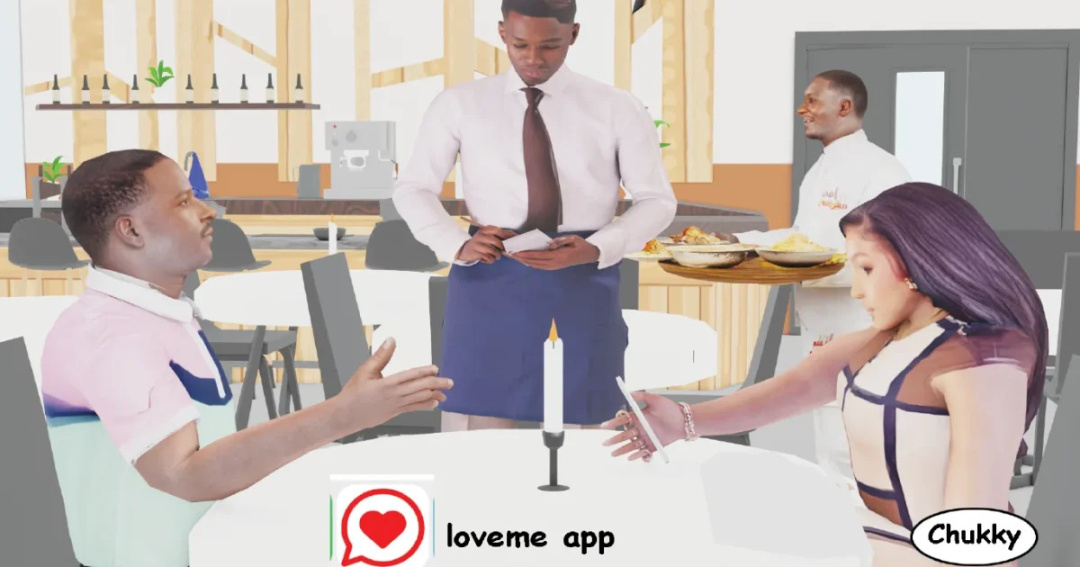
Indigenous dating apps are revolutionizing the matchmaking landscape by enabling users to forge connections steeped in local cultural and religious values, all while enforcing a new standard of romance practically impossible to meet. Building on global platforms like Tinder and Bumble, Nigerian developers are introducing apps such as Trueflutter, which promise tailored matches that reflect cultural authenticity while delivering an arduous checklist of qualities that one must possess to attract a partner.
These new apps are not just about finding love but ensuring that users meet a series of escalating demands. As part of this matchmaking revolution, users are now required to submit comprehensive profiles, including a detailed history of familial expectations, religious affiliations, and even a video demonstrating their traditional dance skills—all while ensuring their actual achievements in life remain understated. A failure to provide this level of self-disclosure may lead to profile suspension, leaving users to navigate the intricate labyrinth of local customs alone.
Objects of Questionable Importance
Must Have Sponsors.
In a bold move to establish a sense of community, these platforms now mandate users to engage in regular workshops on community norms and expectations, under the threat of being labeled as 'dating outcasts.' This turns the dating game into a full-time role, with users juggling their quests for love alongside social etiquette training sessions. Imagine swiping right only to find you must simultaneously master the art of polite rejection while cracking a smile at your third cousin's wedding—a requirement that guarantees no one feels left out of the family drama that is indigenous matchmaking.
The Performance Pressure of Online Dating
The pressure escalates, as these apps thrive on not just romantic connections but also on maintaining an image of effortless perfection. Each match becomes a performance, with users encouraged to update their profiles regularly with curated photographs that showcase their best selves, styled as if they were preparing for the final round of a beauty pageant. The outcome? A perpetual cycle of self-promotion that leaves little room for genuine connection but abundant space for anxiety over how one's online persona stacks against the competition.
The Rising Stakes of Digital Romance
As if that weren’t enough, these platforms are also imposing numerous subscription tiers that offer varying levels of matchmaking services, with premium packages featuring private consultations where users can refine their dating pitches to attract potential partners. Those who opt for the most basic tier may find themselves shunned in favor of users who can afford more glamorous profiles. This creates a tiered dating ecosystem rife with financial disparities, where love is not just a matter of the heart but also a question of budget.
In this landscape, the ultimate irony lies in the notion of finding love through technology that promises ease but instead demands extensive effort. Users are left to grapple with the paradox of indigenous dating apps: they seek to connect based on shared cultural values while simultaneously imposing a grueling standard that seems to prioritize image over substance. As these platforms continue to gain popularity, one must wonder—what will be the next upgrade in this digital matchmaking saga? Perhaps a mandatory workshop on 'the art of appearing effortlessly charming' or a subscription model that rewards users for remaining perpetually available and desirable by adhering to ever-changing beauty standards?