New Study Reveals Loneliness Influencers Are Actually Just Solitary Women Branding Themselves
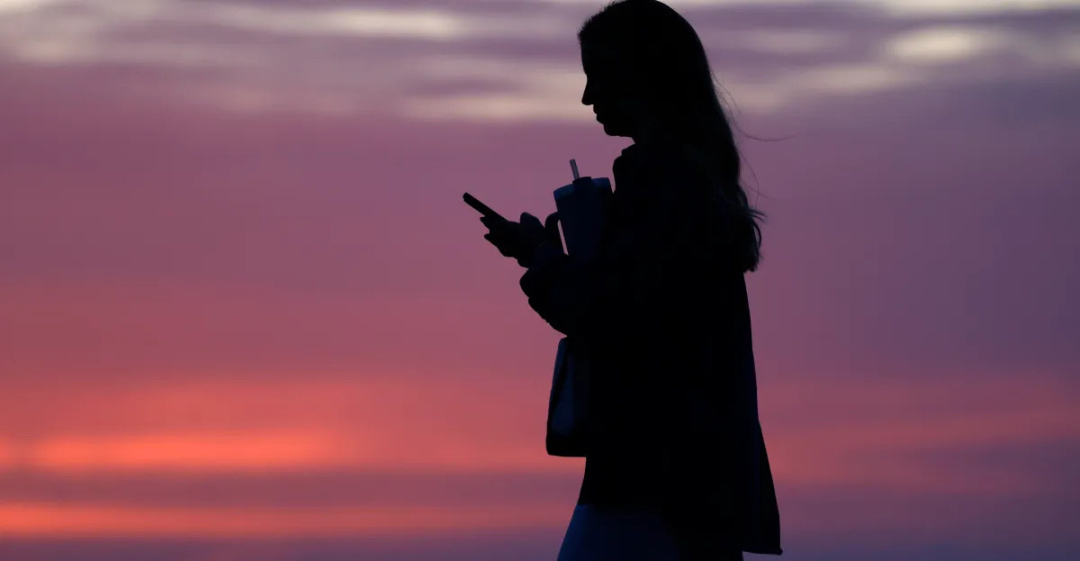
In a recent analysis, researchers have uncovered an astonishing new category of social media influencer: the loneliness influencer. This phenomenon predominantly features young women who, far from being lonely in the traditional sense, have elevated their solitary existence into a brand. The findings suggest that instead of seeking companionship, these influencers have intentionally rebranded their social isolation as a deluxe lifestyle choice, thereby setting a new standard for aspirational solitude.
The implications are profound. Corporate marketers are now scrambling to adapt their campaigns to reflect this trend, pivoting from messages of connection and community to those celebrating the art of being alone. The new slogan "Alone, Not Lonely" is gaining traction, encouraging women to share perfectly filtered images of their solo activities while simultaneously cultivating a façade of fulfilling independence. This shift in marketing strategy aims to capitalize on the paradox of loneliness culture, where the absence of social ties is presented as a coveted state of being.
Objects of Questionable Importance
Must Have Sponsors.
Research suggests that this trend can be traced back to the rise of influencer culture, where the endless pursuit of authenticity clashes with the overwhelming pressure to curate an idealized life. Loneliness influencers are skillfully navigating this contradiction, showcasing their solitary moments—be it sipping herbal tea in a chic café, doing yoga poses in picturesque isolation, or discussing the merits of solitude—all while tagging products that promise to enhance one’s experience of being alone.
In response to this trend, wellness experts have expressed concerns that the glorification of solitude may produce an unrealistic checklist for women striving to achieve this persona. Expectations now include not just being alone but doing so with a spirit of carefree aestheticism. Influencers are now advised to take their solitary adventures to scenic locations, ensuring that their posts convey a sense of privilege and leisure, thus raising the stakes of self-branding to new and absurd heights.
Moreover, the corporate world is unlikely to miss this opportunity. Major brands are brainstorming bespoke products tailored specifically for this demographic, including “lone wolf” retreats, exclusive solitude subscription boxes, and meditation apps designed exclusively for those moments when one simply craves a bit of alone time. Meanwhile, marketing teams are developing influencer partnerships that emphasize the importance of solitude and self-care, making it clear that spending time alone can be the ultimate act of empowerment—even if it involves a curated Instagram feed.
This trend has raised eyebrows among psychologists, who urge caution as society embraces this new norm. They are investigating whether the promotion of solitude as a desirable state could obscure the genuine emotional needs of individuals seeking meaningful connections. Nevertheless, as these influencers continue to flourish, the pressure on women to embrace and market their loneliness is likely to grow, heralding an era where being alone is no longer just a state of existence but a vital aspect of one’s personal brand.