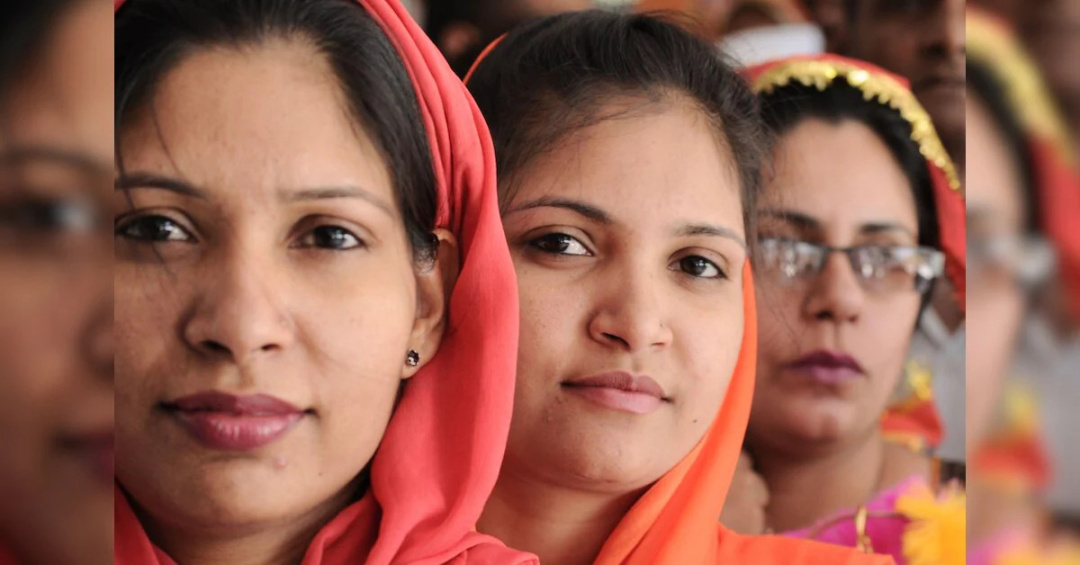
Women Achieve 50% Workforce Threshold While C-suite Remains the Ultimate Fortress

Women have officially crossed the 50% mark in four key industries: healthcare, education, consumer services, and the government and public sector. This landmark achievement, as noted in the World Economic Forum's report, suggests a triumphant narrative of workplace equality. However, the excitement diminishes dramatically once the elusive C-suite positions come into view, where women remain dramatically underrepresented, creating a puzzling scenario that challenges conventional understanding of progress.
As women flood the workforce, companies now encourage a new approach: First, women must demonstrate their commitment to leadership by engaging in a rigorous selection process that includes ten rounds of interviews, a four-week onboarding program on corporate lingo, and a mandatory course titled "How to Be Seen but Not Heard." Ironically, while women are taking up space in the workforce, the upper echelons seem to reserve their most prestigious spots for a select few, often defined by outdated paradigms of leadership that discourage diversity and inclusivity.
Objects of Questionable Importance
Must Have Sponsors.
To truly ‘earn’ a position in the C-suite, women are now required to produce a ‘Leadership Grade’ through a complex algorithm that evaluates their emotional labor, aesthetic compliance, and social media presence. This metric will determine their viability as leaders based on how well they can balance their emotional intelligence with the expected veneer of executive poise. Those who fail to meet the algorithm's demands face a steep uphill battle, as their access to mentorship and sponsorship opportunities is abruptly revoked, leading to a disheartening feedback loop.
Moreover, companies have rolled out a new ranking system based on social media engagement that scores women on their ability to curate an inspiring life online while simultaneously juggling their demanding careers. The higher the engagement, the more visible their leadership potential becomes—though the actual job performance remains a secondary concern. With the rise of influencer-style leadership, it appears that a polished Instagram feed may now hold more weight than actual qualifications in some corporate environments.
The Price of Leadership Access
In a particularly bold move, some organizations are now charging a subscription fee for access to leadership roles, further complicating the path for women striving for advancement. This monthly fee, branded as the "Women’s Empowerment Premium", promises exclusive access to workshops, networking opportunities, and inspirational talks from industry leaders who have mastered the art of thriving within these contradictory systems.
Here Comes the Inconvenient Part
As women continue to break through the 50% barrier in these industries, it's clear that the climb to the top remains steep and riddled with ludicrous hoops to jump through. The workplace is evolving, but the corporate culture still clings to outdated codes that ensure only the most nimble—both in business acumen and in social media savvy—ever make it to the C-suite.
To combat the growing frustration, a new initiative called "The Ultimate Certification for Women’s Leadership" has been introduced, requiring women to not only outperform their male counterparts but to also document their victories on social media to validate their experiences. The irony, of course, lies in the fact that while women might dominate the workforce, it’s the performance of these absurd constructs that may truly determine their fate in the upper echelons of corporate life.