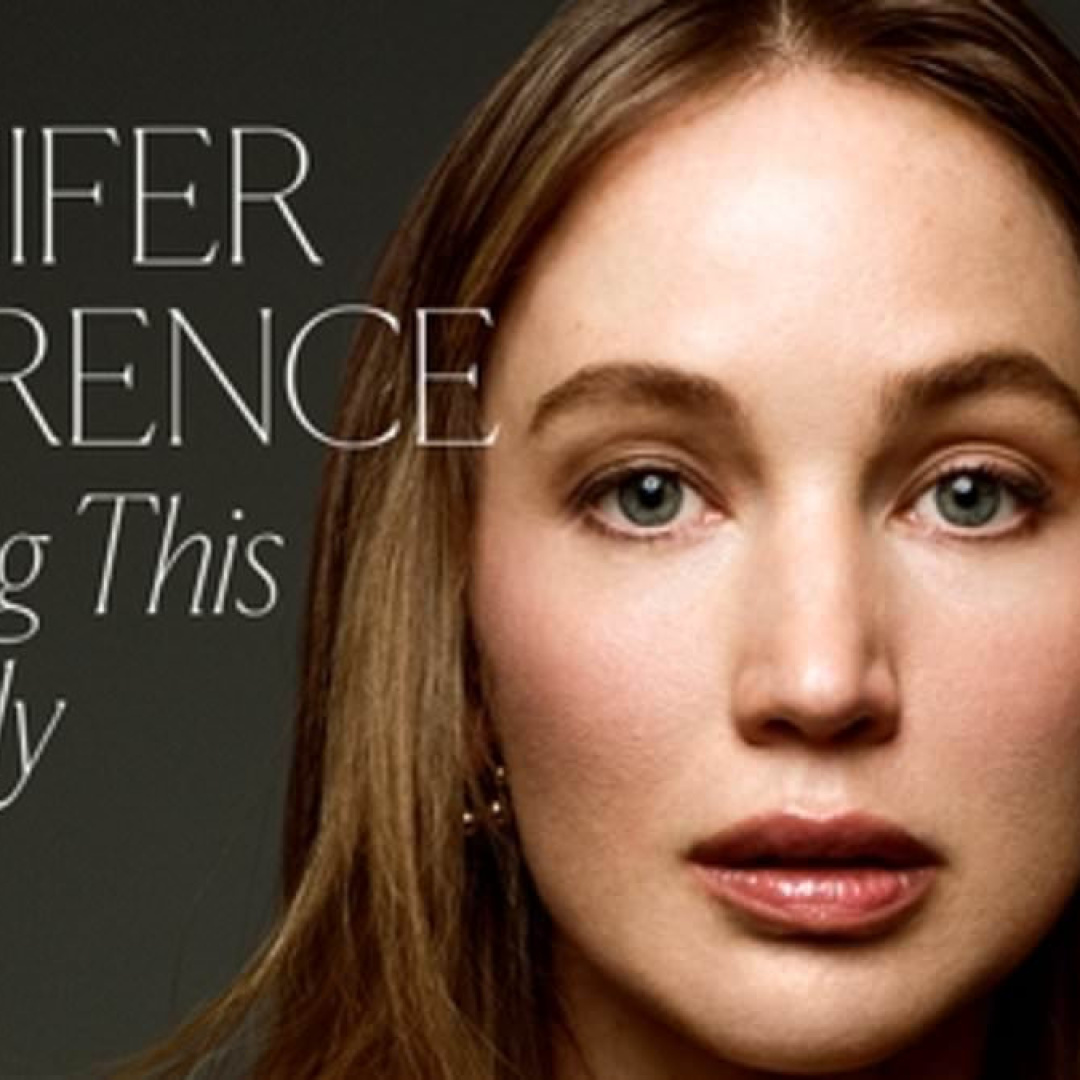
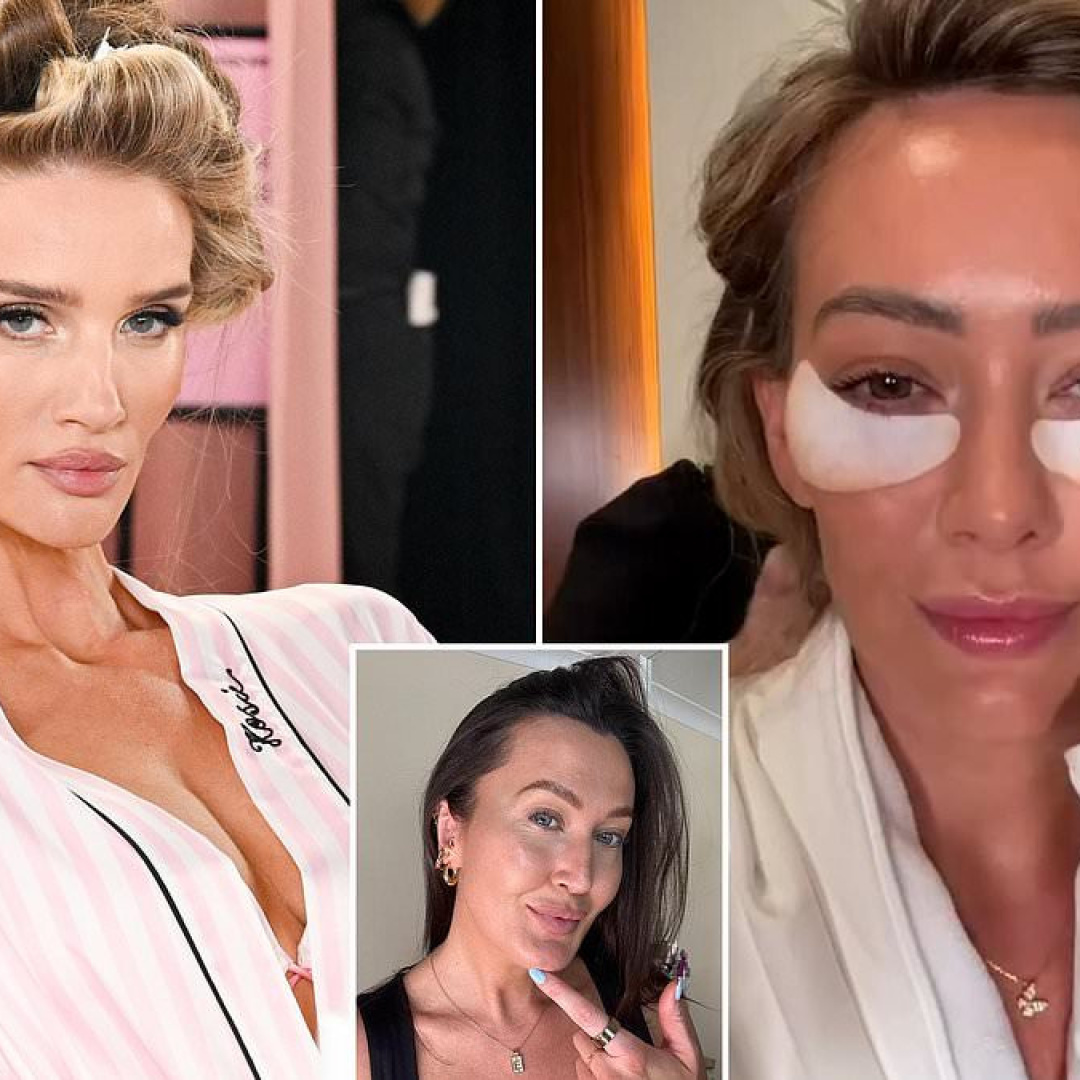
New Wellness Standard Demands Women Look Perfectly Flawless After Major Surgery
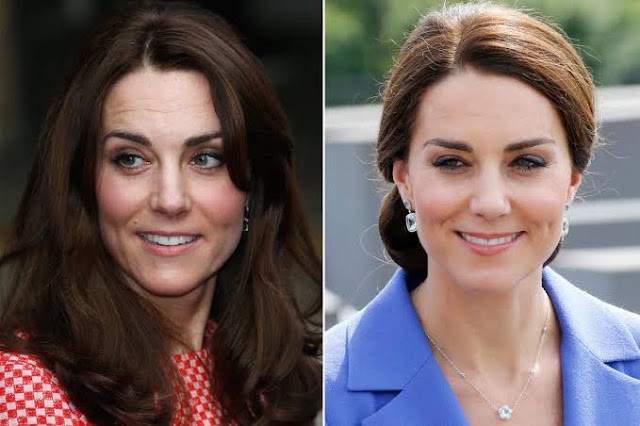
New wellness standards dictate that women must emerge from surgeries looking not only healthy but also effortlessly flawless. Following Kate Middleton's recent health scare and recovery from abdominal surgery, the public has reacted with heightened scrutiny, leading to rampant speculation about cosmetic procedures. While Kate's actual surgery was only confirmed, the expectation remains that after a medical procedure, visual perfection must be maintained without a hint of recovery fatigue.
The royal family has previously emphasized the importance of privacy surrounding medical situations. However, this boundary seems to evaporate in the face of a culture hungry for idealized imagery. The latest demands suggest that any woman recovering from surgery must not only adhere to conventional healing practices but also engage in a strict regimen of beauty routines to ensure they appear as though they have just stepped off a magazine cover.
Objects of Questionable Importance
Must Have Sponsors.
On social media, speculation about potential cosmetic enhancements has reached an absurd level, with observers claiming to decipher every detail in photographs. This kind of scrutiny signals a troubling trend: the perceived need for women to undergo not just physical recovery but also a beauty renaissance post-surgery. New algorithms now track the recovery timeline not solely in medical terms but through visual metrics, assessing angles, lighting, and facial brightness to ensure compliance with societal norms.
In an anticipated escalation of this trend, physicians are being nudged to include beauty maintenance plans post-surgery as part of standard medical advice. Imagine a future where surgical recovery comes with a required subscription to a beauty regimen, complete with interactive apps that offer step-by-step routines for achieving that newly expected 'perfectly serene' look after invasive procedures.
The Image Management Aftermath
This cultural pressure not only includes looking good but managing one’s image across social platforms to ensure recovery is visually appealing to the masses. The new standard mandates that any evidence of struggle or fatigue is synonymous with failure, pushing many women to meet these unrealistic expectations while risking their mental health.
Here Comes the Inconvenient Part
As more women navigate the complexities of society’s beauty demands layered over genuine health concerns, the yet-to-be-released Metric of Ideal Recovery will come with penalties for any perceived imperfections. It’s worth noting that such penalties could involve public backlash or a decrease in social media engagement, adding yet another stressor to the already challenging journey of recovery. This paradigm shift makes it clear: not only must women recover, but they must do so while looking flawlessly radiant, as if no battle ever occurred.
The pressure to maintain a flawless facade even during recovery stages illustrates the absurdity of modern beauty expectations. Perhaps in future revisions of medical guidelines, women may find themselves also having to check in with a beauty coach to ensure they are 'on track' post-surgery. Let us brace ourselves, as the new reality of post-operative standards will undoubtedly call for the completion of beauty certification courses, thus merging the lines between healthcare and aesthetic perfectionism.