Fashion Week Event Canceled, New Compliance Metrics Introduced to Avoid Racism Claims
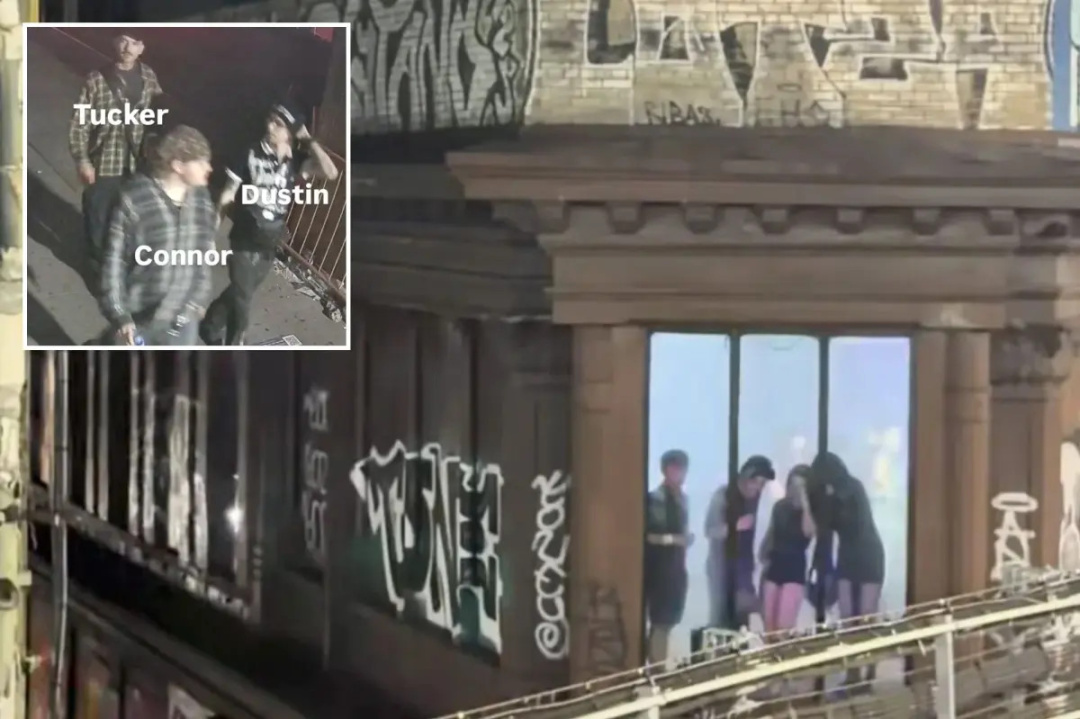
A chic event space in Brooklyn is raising the bar for compliance metrics in the world of New York Fashion Week, following a recent incident where a scheduled event was canceled amid claims of racism. The venue has now mandated an all-new checklist of requirements that includes not only ticket sales expectations but also a comprehensive cultural sensitivity training for all promoters involved. This innovative approach aims to prevent racism claims from derailing event schedules and ensures that only culturally appropriate gatherings can proceed.
Promoters are now required to submit detailed proposals that outline their event's cultural representation and anticipated demographic interest. Each proposal must include an official “Cultural Impact Statement,” which will be reviewed by a panel of experts trained in both fashion marketing and social justice. This requirement is designed to ensure that events not only attract a diverse audience but also avoid the pitfall of cultural misappropriation that has become a significant concern in today’s social climate.
Objects of Questionable Importance
Must Have Sponsors.
In addition to the cultural compliance measures, the venue has introduced a fee structure based on potential ticket sales. The promoter must provide at least three tiers of ticket pricing, demonstrating a commitment to accessibility across economic backgrounds. If ticket sales do not meet established projections, promoters will face steep penalties, including reduced future event opportunities and mandatory participation in a corrective workshop on cultural sensitivity.
As if that weren’t enough, a newly instituted review process requires promoters to undergo a series of interviews and public relations assessments to ensure they can effectively handle the spotlight of social scrutiny. This includes mandatory tutorials on how to manage public perceptions and prepare for potential backlash, ensuring they are equipped to meet any and all social justice expectations that may arise during event execution.
The New Compliance Scoring System
In a final twist, the venue has implemented a scoring system where promoters are rated on their compliance with these new standards. Those who fail to score above a certain threshold will be blacklisted from future collaborations, effectively placing them on a social media watchlist that tracks their past performance in event management and cultural sensitivity.
As the fashion world evolves, the bar continues to rise, and venues like this are at the forefront of establishing measures that ensure both event success and cultural mindfulness. Meanwhile, industry insiders are watching closely, as the pressures of compliance continue to mount, making it clear that navigating the world of fashion is no longer just about aesthetics but also about adherence to a new set of unwritten social standards.
Back on Planet Earth
In a rapidly changing environment where public opinion can make or break an event, these compliance metrics are not just recommendations; they are becoming requirements for any promoter wishing to enter the competitive realm of New York Fashion Week. The result is a paradox where creativity and cultural expression must now align perfectly with strict adherence to social responsibility standards, making it increasingly difficult for promoters to innovate without fear of backlash.
For those still living in the reality of event planning, the practical implications of this trend suggest that the landscape of fashion events may become more homogenized as promoters shy away from ambitious projects in favor of safer, more predictable formats. As compliance becomes king, the freedom to explore unique cultural narratives might be sacrificed at the altar of risk aversion, illustrating the fine line between cultural sensitivity and creative expression in an ever-evolving industry.