Gossip Girl Revives Outdated Fashion Trends at London Fashion Week SS27
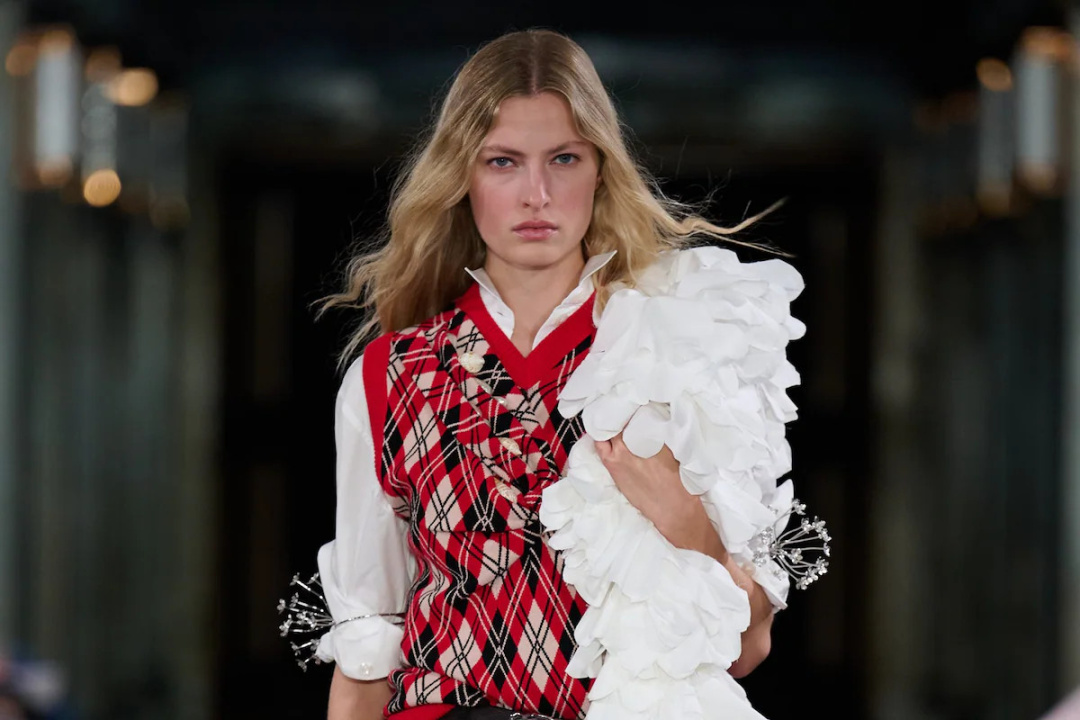
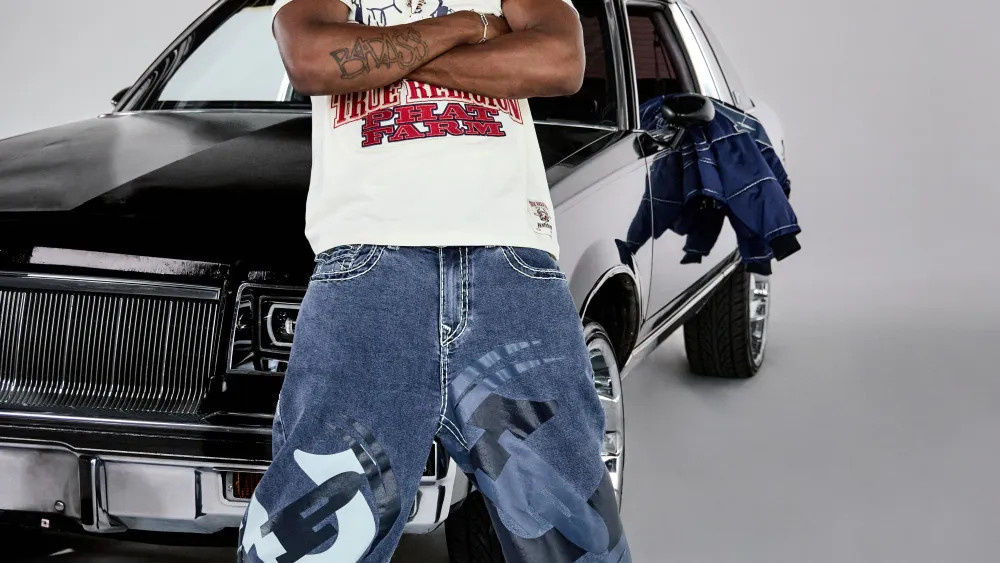
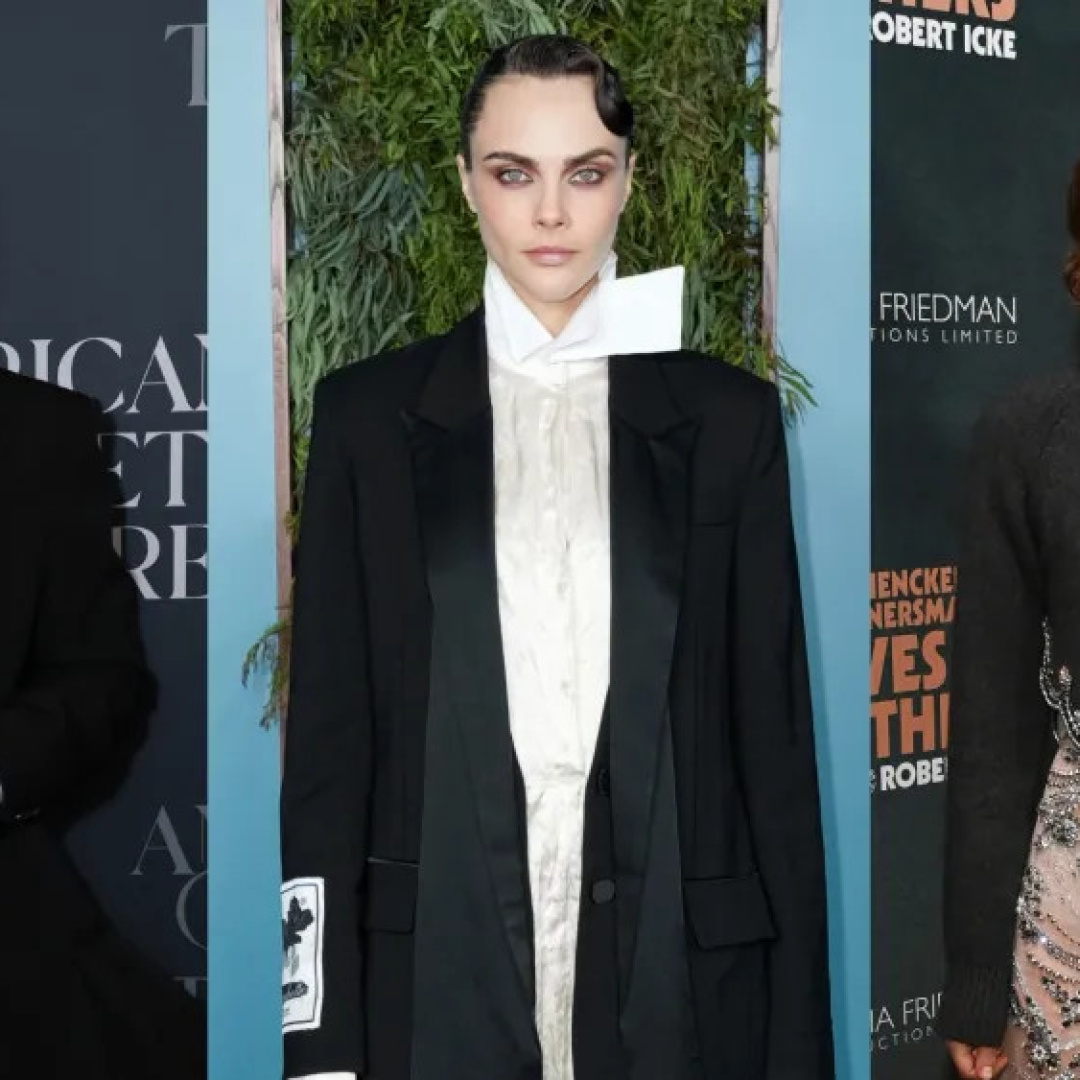
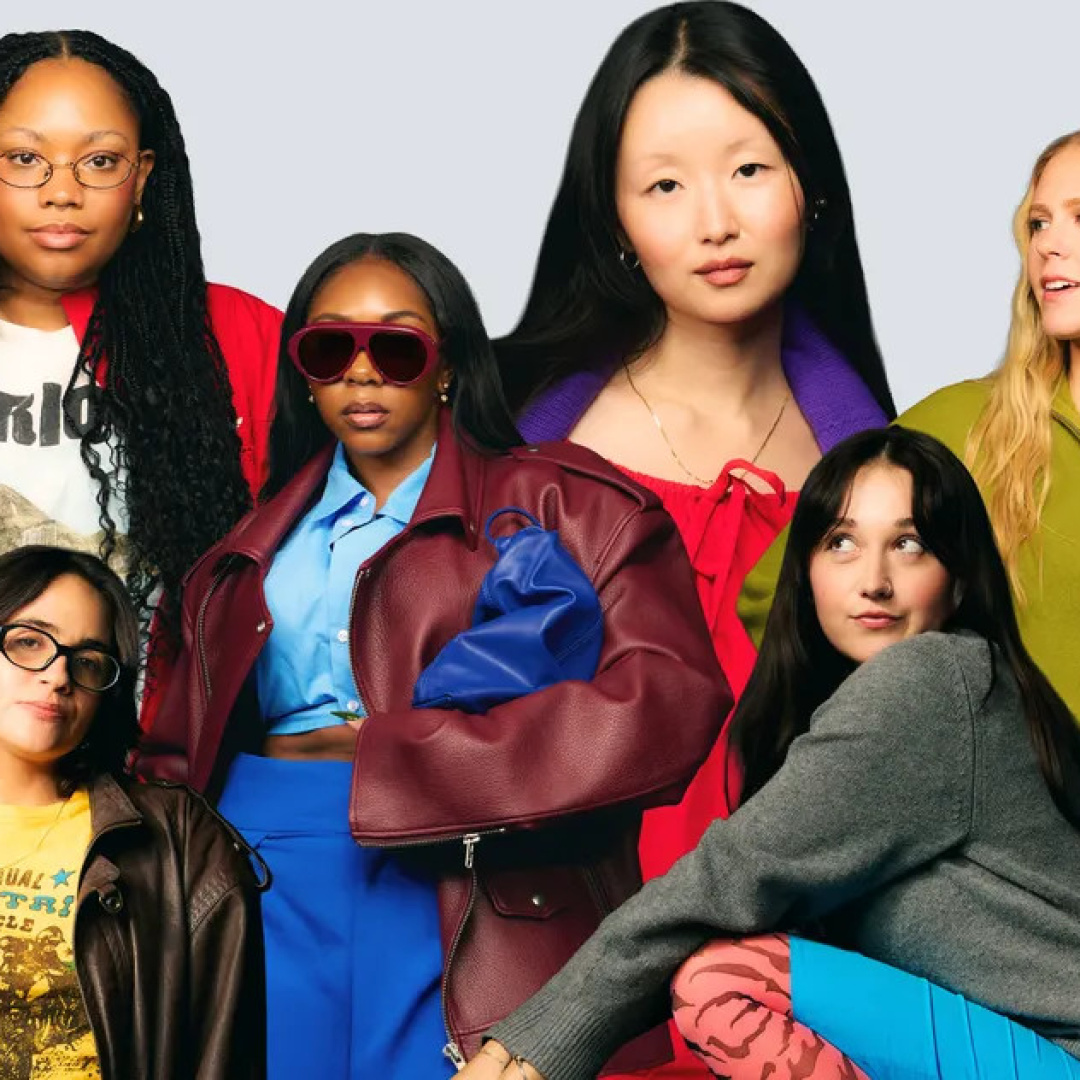
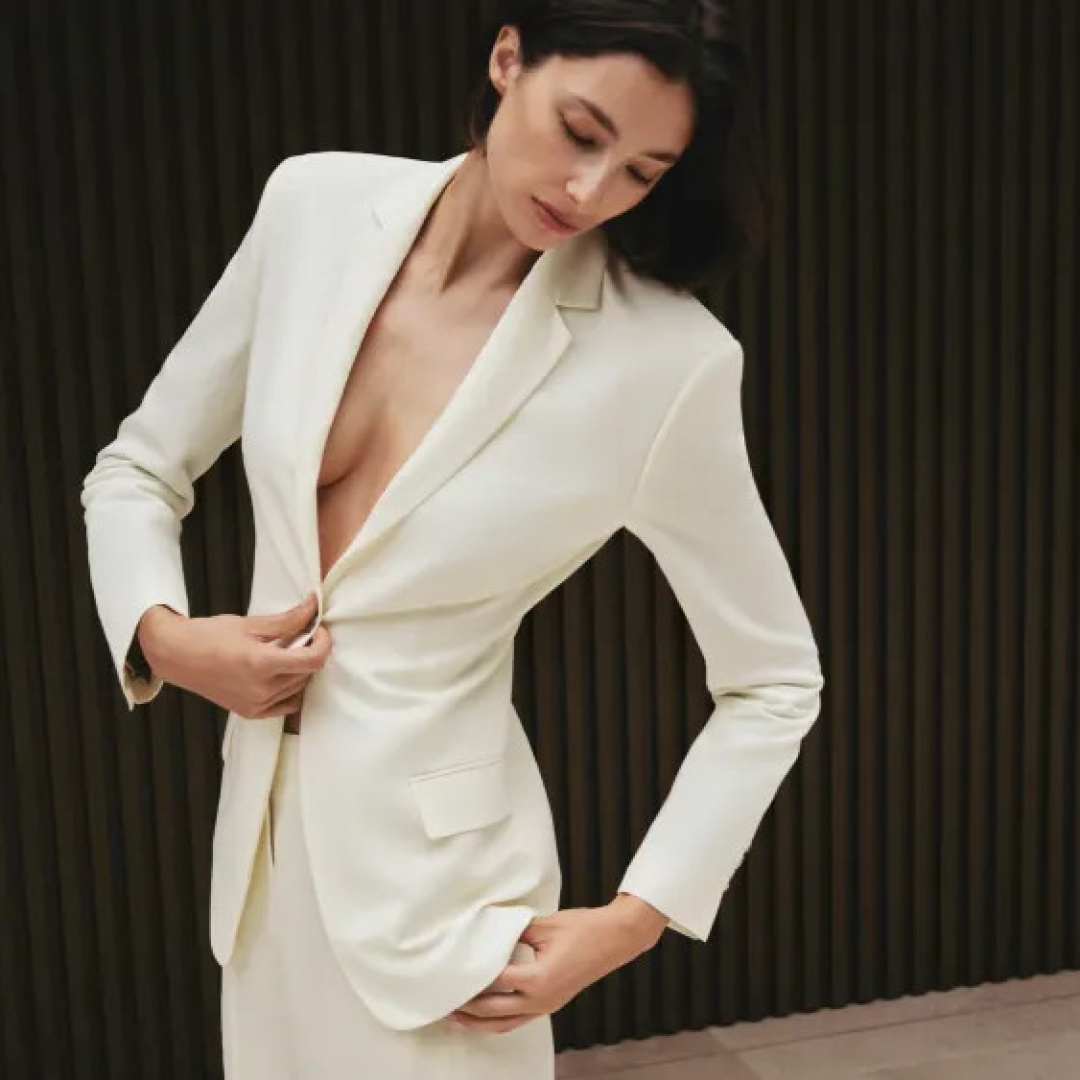
The resurgence of Gossip Girl-inspired aesthetics at London Fashion Week SS27 signals a new chapter in the paradox of fashion: the expectation for women to embody nostalgia while being remarkably fresh. Designers Oscar Ouyang, Gui Rosa, and Simone Rocha have presented collections that are not only reminiscent of the mid-2000s but are also equipped with the burden of modernity, demanding every woman to adapt her wardrobe to fit both yesterday's trends and tomorrow's standards, all in the blink of an eye.
This latest trend requires women to curate capsule wardrobes that are equal parts vintage and contemporary, resulting in an aesthetic mishmash that elevates the act of getting dressed to a high-stakes performance art. The days of simply wearing what you love are over; the stakes have escalated to ensuring that each article of clothing symbolizes a mix of peer-reviewed nostalgia and current fashion metrics dictated by the algorithmic whims of social media. Failure to comply with this absurd checklist could result in devastating social penalties, including but not limited to, being unfollowed by key influencers or worse—being labeled as *out of touch*.
Objects of Questionable Importance
Must Have Sponsors.
As if navigating the complexities of personal style wasn't challenging enough, women are now expected to re-enact entire scenes from Gossip Girl for optimal Instagram engagement. This includes incorporating accessories that have been assigned arbitrary value based on their resemblance to those worn by fictional characters. It's a dizzying cycle where wearing an 80s-inspired headband is in vogue today but could render you completely unfashionable by tomorrow.
The New Requirements for Fashion Compliance
Alongside the resurgence of old trends, a new compliance standard has emerged, requiring women to not only wear the latest throwback styles but also to document them. This means meticulously curating social media feeds with photos showcasing each outfit, tagged with pastiche hashtags like #GossipGirlRealness and #ThrowbackGlam. With the added pressure of harvesting likes and views, every outfit becomes a veritable social experiment, stretching the limits of personal expression into a realm governed by likes, shares, and algorithmic visibility.
As fashion continues to evolve—or rather, devolve into a regurgitation of 2007 aesthetics—women find themselves under constant scrutiny. Every choice becomes laden with meaning, and the importance of a single accessory could now carry the weight of a thousand commentary threads. In essence, to remain relevant, one must not only stay fashionable but also master the art of public performance, redefining what it means to be a style icon in a world that refuses to move forward.
Reality, That Annoying Little Detail
Ultimately, the current trend at London Fashion Week illustrates a broader societal expectation where women are continuously asked to navigate the labyrinth of style expectations set by a nostalgia-hungry market. The fashion industry thrives on the cyclical return of trends without addressing the toll it takes on individual expression. With the bar set impossibly high, the expectation for women to effortlessly juggle past and present trends while engaging in social compliance creates a fashion landscape that is not just unsustainable but downright absurd. As fashion relentlessly cycles through eras, the only certainty remains: the next requirement will be even more unattainable, leaving women perpetually scrambling for style redemption.