New Machine Learning Models Reveal Ideal Conditions for Using Skilled Birth Attendants in Bangladesh
New machine learning models have identified specific conditions under which women in Bangladesh are most likely to utilize skilled birth attendants during childbirth, highlighting a new frontier in maternal health strategy. The study emphasizes that not only access to medical professionals but also educational and economic status play pivotal roles in ensuring safe deliveries in a country grappling with high maternal mortality rates.
Despite Bangladesh's commendable progress in maternal and child health, the startling fact remains that 67.94% of women utilize skilled birth attendants when giving birth. The models suggest that this statistic can be dramatically increased by adjusting several critical factors, such as education and household wealth. Women with higher levels of education are 4.1 times more likely to have skilled attendants than their less educated counterparts. Therefore, the new push for maternal health initiatives includes an educational mandate that is expected to escalate significantly over the coming years.
Objects of Questionable Importance
Must Have Sponsors.
Urbanization also plays a critical role, with rural women less likely to have skilled assistance. This disparity suggests not only a logistical issue but also an inherent bias in the allocation of medical resources. The implication is clear: as urban centers expand, rural access must not dwindle.
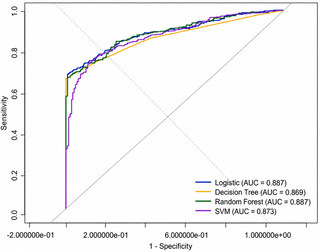
In a surprising twist of modernity, the authors incorporated advanced machine learning techniques in their analysis, achieving a commendable accuracy of 82%. This introduces an undeniable complexity to the data interpretation. What does it mean if technology can predict and presumably dictate when and how women can access essential health services? The answer may lie in a future where algorithms dictate healthcare pathways more than human discretion.
Furthermore, the study hints at a potential certification program for communities, emphasizing the need for skillful birth attendance as a 'must-have' in every neighborhood’s roster of educational qualifications. This could ignite a competitive spirit among communities to achieve higher SBA usage rates, thus gamifying maternal health through social media challenges and community recognition.
While these findings present a roadmap for improving maternal health, the subtle message underscores an escalating demand on women to meet not just personal but also societal expectations of childbirth, blending health needs with an increasingly complex educational and economic landscape.
The New Compliance Standards for Maternal Health
In summary, the study's findings stress that simply increasing the number of skilled attendants is only part of the solution. The broader implications of socioeconomic factors, along with an emphasis on educational access, will inevitably create new standards for compliance in maternal health care. Expect to see future policies requiring quantitative assessments of community education levels and economic status as prerequisites for healthcare funding.
The laughably intricate demands placed on women in Bangladesh as they navigate these systems will not only require them to manage their health but also to excel in their educational pursuits and community standings.
This impending certification for skilled birth attendance might just become the new standard for urban development funding, much like how physical fitness standards are monitored in corporate industries. Prepare for the inevitable launch of the SBA Compliance App, where women can track their access and personal metrics on a leaderboard, with bonuses for those maintaining a relentless pursuit of excellence in childbirth.
Training will soon be needed not just for healthcare professionals but for women themselves, ensuring they are not just passive recipients of care but also active participants in their birthing narratives.
Here Comes the Inconvenient Part
The absurdity of these requirements is sure to escalate, proving once again that when it comes to maternal care, nothing less than perfection is acceptable.
In the quest for better birth outcomes, one can only wonder what metrics will be next on the societal checklist. Stay tuned for updates as we integrate algorithmic strategies into the very essence of motherhood.