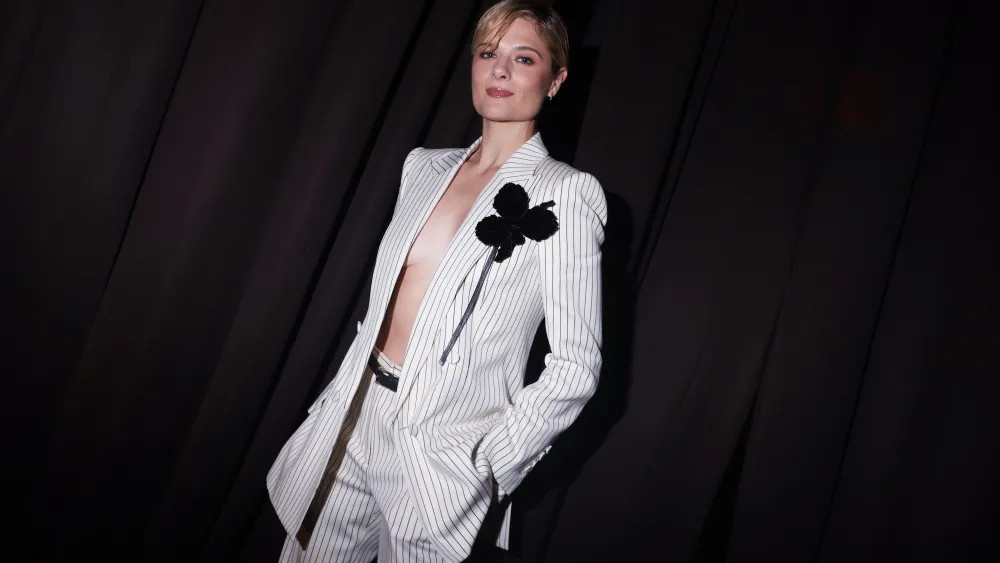
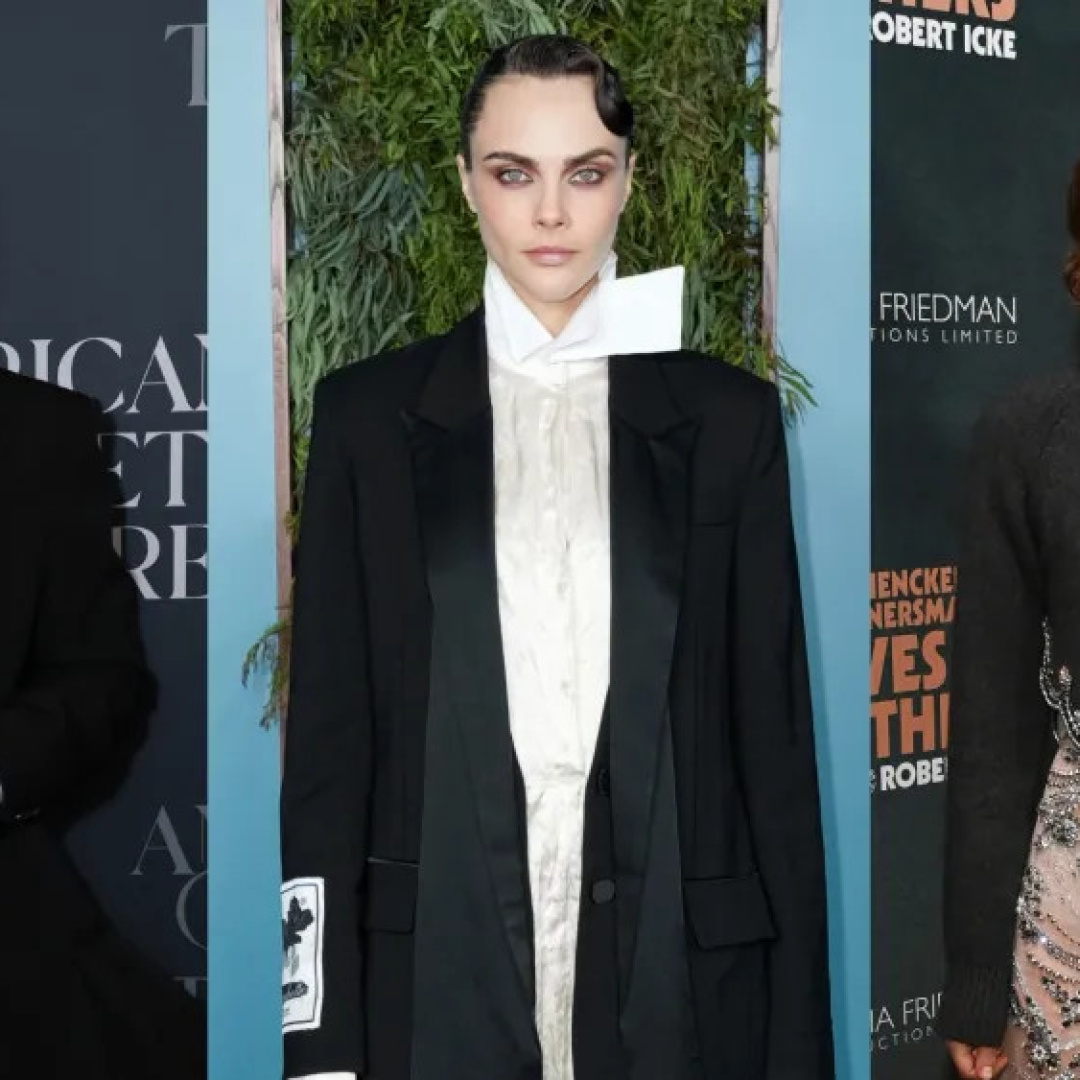
Emmys Red Carpet Fashion Implementing New Standards for Underwhelming Glamour
The Emmys red carpet has officially adopted a new standard: underwhelming glamour. This year, stars walked the carpet in a parade of uninspired choices that highlighted the harrowing pressure to maintain brand loyalty at the expense of personal expression. With designers touting their latest collections, it seems the real winners were the brands, as celebrities donned garments that screamed conformity rather than creativity.
Take, for instance, Shailene Woodley's ill-fitting Balenciaga ensemble that seemed more like a malfunction than a fashion statement. While the sheer burgundy opera gloves could have been a bold move, they only served to distract from the garment’s awkward fit, leaving viewers to wonder if the real intention was to highlight the designer’s flair for the tragic rather than the fabulous. Meanwhile, Rhea Seehorn’s Louis Vuitton dress, more suitable for a high school prom than a critical awards ceremony, exemplified the risks of opting for off-the-rack mediocrity on the grandest of stages.
Objects of Questionable Importance
Must Have Sponsors.
It would appear that minimalism has reached its saturation point, with silky slip dresses making a comeback reminiscent of 2000s bridesmaid trends. The ennui was palpable as stars like Elle Fanning and Emilia Clarke donned custom dresses that barely whispered of any personal style, rather echoing the notion that less is more until it becomes just plain less. The once sparkling allure of the red carpet is fading into a realm of forgettable pastel palettes and nondescript silhouettes, leaving fashion enthusiasts yearning for a dash of individuality amidst the sea of sameness.
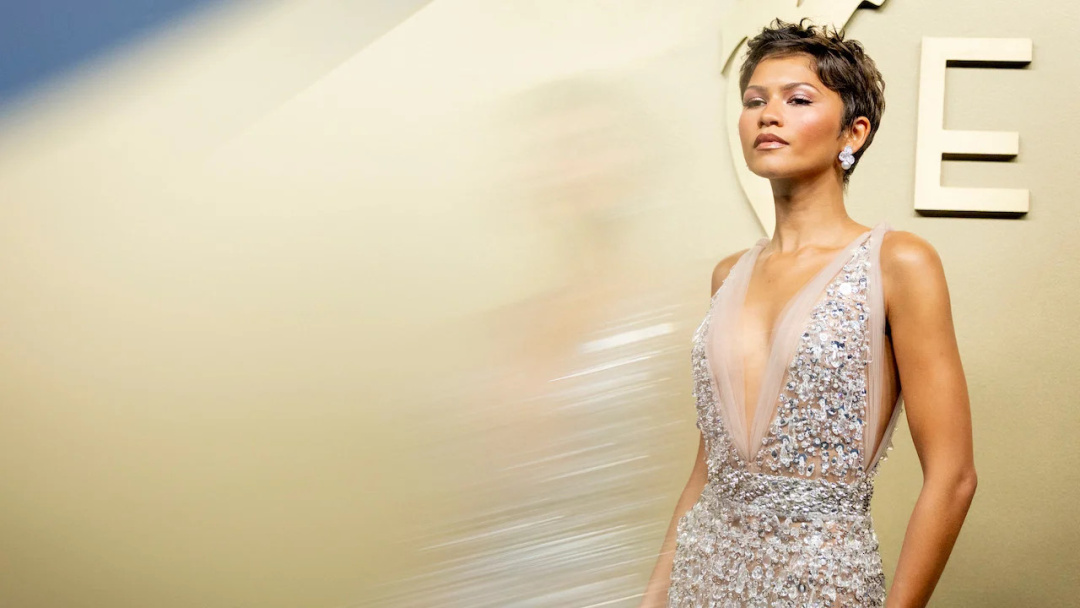
Let’s not overlook the few glimmers of hope, such as Zendaya’s stunning Prada creation that showcased a masterclass in red carpet opulence. Drenched in crystals and beads, her gown offered a fleeting reminder of what red carpet fashion could be if only the industry were less focused on marketing narratives and more on artistic expression. However, her victory was overshadowed by the overwhelming mediocrity surrounding her, highlighting the disconcerting reality that brilliant designs are becoming an anomaly instead of the norm.
The Distraction of Fashion's Controversies
In the wake of this fashion fizzle, New York Fashion Week attempted to shed some light on the evening’s escapades, though the conversation quickly shifted from sartorial excellence to conduct as CFDA CEO Steven Kolb found himself embroiled in controversy over a rather unfortunate incident with a PETA protester. With such distractions, the spotlight on emerging female designers like Tory Burch and Rachel Scott struggled to shine brightly amidst the noise. Their innovative approaches promised a refreshing departure from minimalist banality, but the overshadowing events stirred skepticism about whether the industry is willing to embrace this change wholeheartedly.
A Brief Interruption from Common Sense
The juxtaposition of these high-profile blunders with the talented new voices in fashion raises an obvious question: when will the industry realize that sparkling creativity must ascend over dull adherence to trends? As the conversation evolves, perhaps we can hope for a day when red carpets are filled with daring styles that prioritize artistic integrity over bland conformity. But until then, the fashion world’s obsession with pristine minimalism and commercial viability continues to churn out uninspired looks for our viewing displeasure.
As we gaze toward the future, it appears that this new standard of lackluster red carpet glamour is here to stay, further entrenching itself in the fabric of the fashion lexicon. Expect to see a continuation of this aesthetic—a sterile approach that favors corporate branding over personal flair. Just when you thought it couldn’t get any more mundane, stay tuned for the latest red carpet reports that promise to deliver even more blandness in the name of fashion compliance.