German Football Clubs Introduce Influencer Exclusion Zones in Stadiums
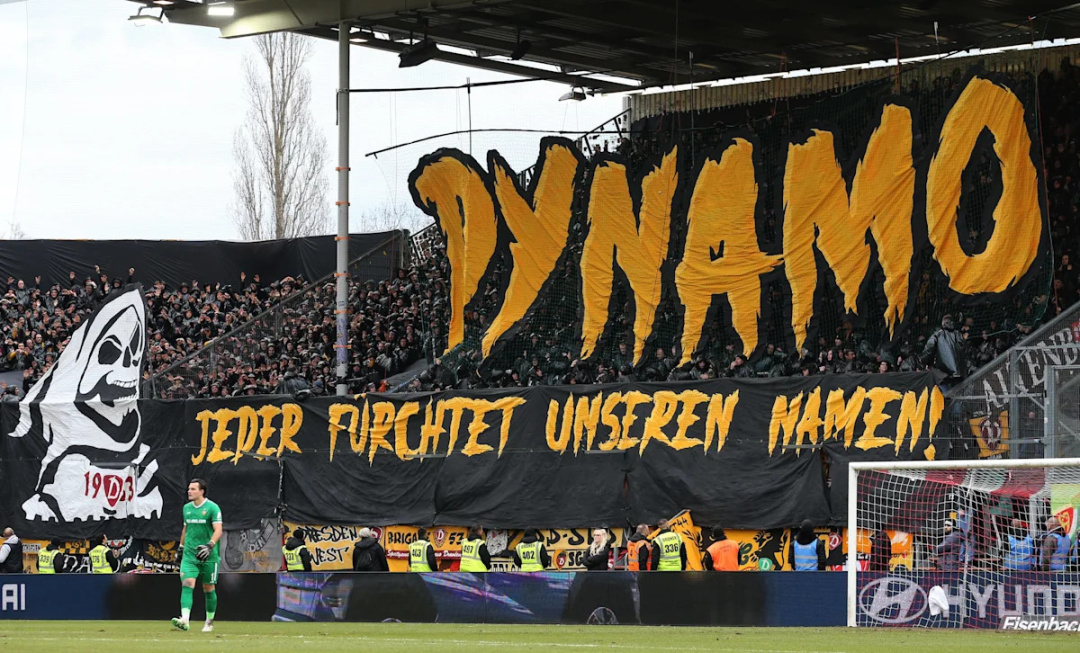
German football clubs have initiated a groundbreaking initiative to establish influencer exclusion zones within stadiums, aiming to shield the sanctity of fan culture from the invasive practices of content creators. Fans have expressed growing discontent with the commercialization of their beloved sport, particularly as influencers turn match days into opportunities for self-promotion and monetization. Supporters are now being empowered to challenge the presence of these so-called creators right in the stands.
At the heart of this movement is the realization that influencers and their vlogging counterparts have begun to view stadiums not as venues of authentic fan engagement but as mere backdrops for clickbait content. This has prompted clubs like Karlsruher SC to engage in serious discussions with the Bundesliga about the implications of influencer presence on traditional fan experiences, raising urgent questions about who truly owns the culture surrounding German football.
Objects of Questionable Importance
Must Have Sponsors.
The controversy reached a fever pitch when Supporters Karlsruhe, an umbrella organization representing fan interests, issued a stern proclamation banning commercial influencers from their terraces. They argue that these creators profiting from fan culture undermine the hard work and dedication of active supporters, who invest countless hours and resources into creating the vibrant atmosphere fans cherish. Clubs are finding themselves in a tug-of-war, as they recognize the importance of fan culture while also grappling with the lucrative allure of influencer partnerships.
The issue has escalated with reports of influencers being removed from matches by fans themselves, adding a layer of complexity to the already fraught relationship between clubs, supporters, and content creators. This trend underlines a significant cultural shift: as supporters reclaim their narrative, they face the challenge of delineating between authentic fan documentation and commercial exploitation. How can one enjoy a match while navigating the minefield of self-appointed influencers who commodify every moment?
Navigating the Boundaries of Fan Experience
Amidst this tension, clubs like Dynamo Dresden have taken proactive measures to curb unauthorized commercial filming, establishing clear policies that differentiate between personal documentation and profit-driven content. Their strategy involves reminding fans that while capturing memories is allowed, commercial exploitation is strictly off-limits. This approach sheds light on a pressing issue: the need for boundaries in an era where personal branding encroaches on shared experiences.
As the debate rages on, fans are increasingly questioning who determines what is acceptable behavior in stadiums filled with tradition and passion. Should influencers be allowed to exploit these sacred spaces for their gain? Or should the stadium remain a distinct realm of fan culture, devoid of commercialization? This conundrum highlights the absurdity of the creator economy's incursion into spaces once reserved for genuine community engagement.
Common Sense Would Like a Word
The landscape of German football is evolving, but with it comes the heavy burden of defining what constitutes a legitimate fan versus an opportunistic influencer. As clubs navigate these challenges, they must acknowledge the intricate balance between the allure of digital fame and the preservation of authentic fan experiences. This balancing act promises to be an ongoing saga in the world of sport, one that may redefine the boundaries of fandom in the age of social media.
The push for influencer exclusion zones is just the beginning. As clubs continue to grapple with these issues, fans can expect more stringent measures designed to protect their culture from commodification. Only time will tell how this will unfold, but for now, it seems that the era of influencers in German football stadiums is being met with resolute resistance, reminding everyone that fan culture cannot simply be a lifestyle product to be marketed and sold.