New Creator Economy Requires Influencers to Secure Legal Counsel for Emotional Wellness Claims
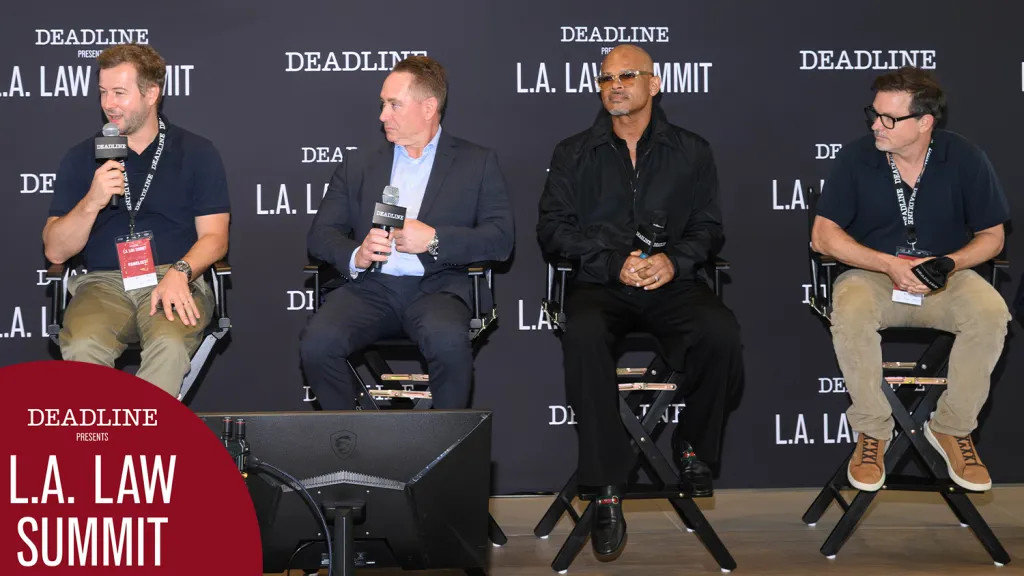
The rise of the creator economy has led to stringent new requirements for influencers, who are now expected to secure legal representation to navigate the labyrinth of emotional wellness claims while curating their online personas. In an unprecedented move, industry leaders at the recent LA Law Summit emphasized that compliance with emotional authenticity standards is no longer optional but essential. Failure to secure counsel might result in influencer accounts being flagged for inadequately substantiated content, leaving them vulnerable in a market where authenticity is both a currency and a potential liability.
As influencers strive to monetize their emotional narratives, they face escalating pressures to present their experiences as certified anecdotes of wellness. The newly introduced Emotional Wellness Certification requires influencers to verify their claims through third-party testimonials and extensive documentation, creating an absurd bureaucratic process for what once was a simple post. This added layer of verification not only complicates content creation but also transforms influencers into walking compliance departments, constantly at the mercy of legal jargon and emotional health metrics.
Objects of Questionable Importance
Must Have Sponsors.
Compounding these challenges is the mandatory Emotional Impact Rating (EIR), which evaluates the psychological effects of influencer content on their followers. Influencers must now provide data on engagement rates, audience sentiment analysis, and a comprehensive emotional welfare report to retain their status in the creator economy. Those unable to meet the rising standards will be relegated to the depths of algorithmic obscurity, effectively banning them from monetizing their emotional labor.
The Corporate Transformation of Influence
The influencer landscape is rapidly evolving, resembling a corporate entity more than a personal brand. Each post must now undergo rigorous legal scrutiny to ensure that it aligns with emerging wellness standards, further entrenching the idea that influencers are not just content creators but also representatives of emotional truth. As a result, the industry finds itself at a crossroads where maintaining authenticity clashes head-on with an increasingly complex regulatory framework.
Common Sense Would Like a Word
In light of these developments, influencers are encouraged to invest in Emotional Wellness Legal Teams and Compliance Consultants—new roles designed specifically for this burgeoning market. The irony of needing a legal team just to express a feeling on social media underscores the absurdity of the current landscape, where emotional transparency is mandated but practically impossible.
To remain viable, influencers now face the daunting task of balancing creative expression with an ever-increasing portfolio of legal obligations, making the journey toward authentic engagement a bureaucratic nightmare. As the creator economy continues to grow, so too will the layers of complexity surrounding influencer interactions with their audiences, necessitating even more legal oversight and emotional calibration to meet the shifting standards of digital engagement. The latest upgrade in influencer standards? A looming requirement for regular legal check-ins to ensure that emotional claims remain compliant amidst evolving expectations, adding yet another layer of pressure to an already strained system.