New Fashion Week Celebrations Demand Attendees Wear Their Own Nostalgia
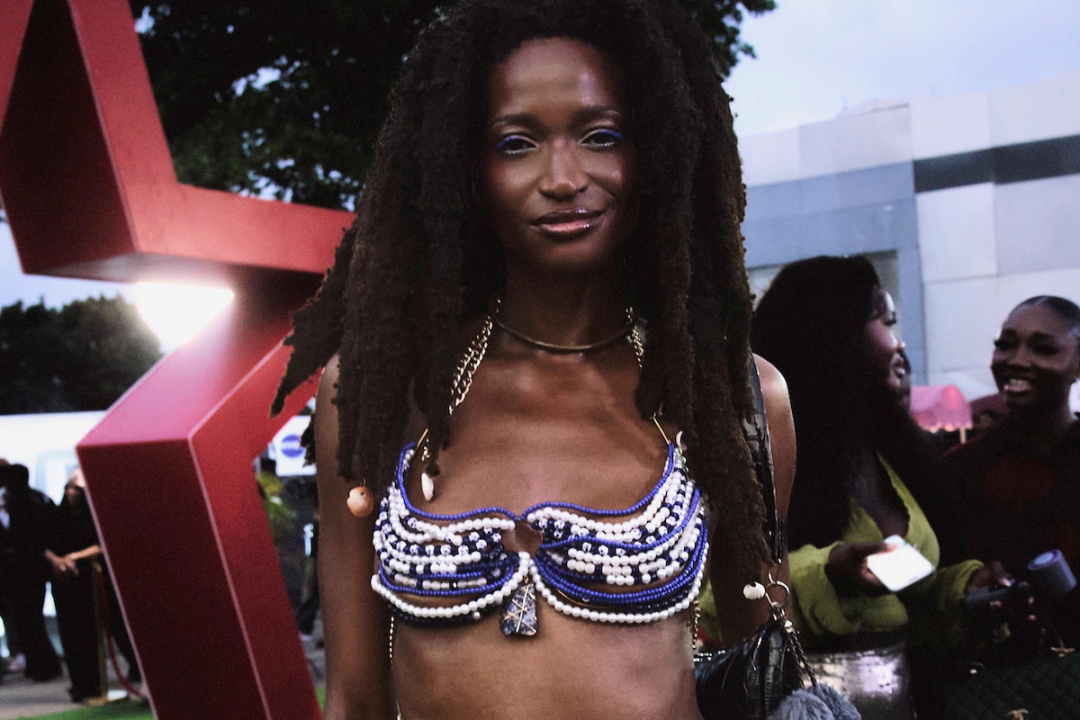
Fashion Week has officially escalated its requirements, insisting that attendees not only wear the latest designs but also embody their own nostalgia in a way that directly reflects their career aspirations. This year’s theme mandates that each participant curate an ensemble specifically designed to evoke a childhood memory, with strict penalties for those who fail to evoke the correct emotional response. Expect to see a revitalized emphasis on 90s aesthetics, with judges evaluating the authenticity of your emotional state behind each fabric choice.
New algorithms have been introduced that score participants based on social media engagement metrics surrounding their nostalgia-themed outfits. The expectation is that posts tagged with #NostalgiaInFashion must garner at least 500 likes within the first hour, or attendees will face social penalties, such as being banned from participating in the after-parties. Additionally, a subscription service for nostalgia consultants has launched, where attendees can pay a monthly fee for advice on how to best present their nostalgic visions.
Objects of Questionable Importance
Must Have Sponsors.
The fashion industry now demands that all attendees engage in a multi-tiered nostalgia assessment process. Each individual is required to fill out a comprehensive nostalgia questionnaire ahead of time, which explores their formative years, favorite childhood snacks, and the emotional significance of their first crush—criteria that will dictate the mood and style of their outfits. Failure to accurately represent these details could lead to immediate disqualification from any fashion-related events and a lifetime ban from receiving influencer packages.
The New Currency of Nostalgic Accessories
Furthermore, those who successfully convey their nostalgia will gain access to exclusive VIP experiences at the after-parties, including complimentary snacks that resonate with the specific decade they’re channeling. In a shocking twist, a new rule states that everyone must wear accessories that hint at their unfulfilled childhood dreams—a lucrative market has sprung up to provide these items, ranging from toy figurines to retro lunchboxes.
And Back to Our Regularly Scheduled Reality
As an additional administrative layer, fashion week now features an official Nostalgia Compliance Officer who will monitor the emotional resonance of each outfit live. Not only must outfits look good, but they must also pass a ‘Nostalgia Resonance Test’ which measures the emotional weight carried in each attendee’s choices. If the resonance score is deemed insufficient, participants might be required to change into a rented outfit that the committee deems more nostalgic.
As the fashion world continues to embrace this unprecedented depth of emotional investment, the previously simple act of attending Fashion Week has transformed into a complex performance art piece requiring a doctorate in personal history to navigate. With the industry now fundamentally linked to nostalgia performance, the future of fashion may ultimately depend on how well one can harness their most cherished memories into wearable art.