Milan Fashion Week Introduces New Standard of Confusing Couture
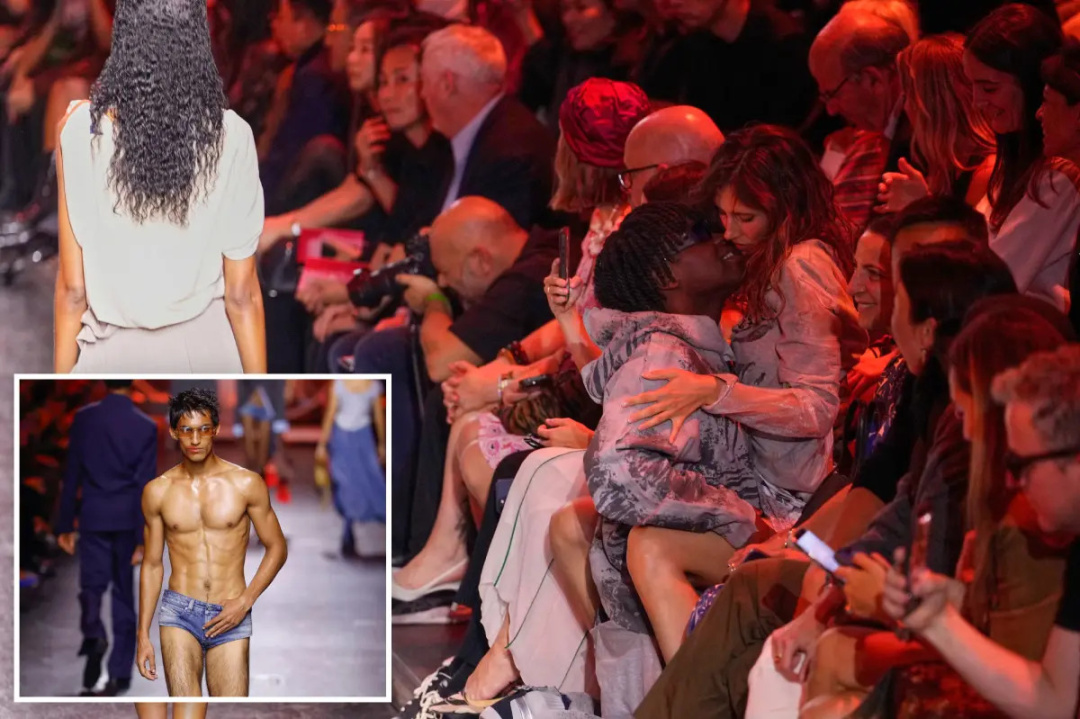
Milan Fashion Week has taken a bold leap into the realm of the absurd, introducing a new standard that many are calling the "Confusion Couture Protocol." Designed by visionary Diesel Creative Director Glenn Martens, this protocol mandates that models showcase outfits so bewildering that even seasoned fashionistas are left scratching their heads. This year, attendees were treated to garments that flipped the script on practicality, with skirts that double as parachutes and shirts made entirely of biodegradable confetti.
In an unprecedented move, the runway also featured a live interpretive dance performed by actors dressed as bewildered consumers, complete with puzzled expressions and exaggerated gestures of confusion. This was not just a fashion show; it was an immersive experience designed to provoke existential inquiries about the clothing we wear and the statements we choose to make with them. Designers, it seems, are being encouraged to push boundaries to the point where the only thing more puzzling than the outfits themselves is the rationale behind them.
Objects of Questionable Importance
Must Have Sponsors.
As part of the new standard, models are now required to complete a series of psychological evaluations to measure their ability to navigate the emotional landscape of bewilderment while strutting down the runway. Those who fail to exhibit the proper level of confusion may subject themselves to a mandatory three-month retreat focused on reconciling their aesthetic choices with the societal pressures of being fashionable.
Meanwhile, attendees equipped with mobile apps designed to decode the meaning of each ensemble were seen frantically swiping through augmented reality filters, attempting to ascertain whether the latest trends were avant-garde masterpieces or elaborate pranks. The app also features a rating system, allowing users to assign emotional distress points based on their reactions to the ensembles, essentially gamifying the experience of confusion.
The Future of Fashion Confusion Standards
Going forward, experts predict that the industry will further embrace the need for confusion in fashion, paving the way for designers to create pieces that are not only impractical but also unattainable in terms of wearability. Expect to see the introduction of new regulations, including the "Total Confusion Assessment," which will measure how effectively a designer can elicit feelings of confusion across a diverse audience.
As this trend continues to escalate, the fashion world anticipates a dizzying array of further developments. Future shows may require participants to don garments that shift shapes or colors based on the wearer's emotional state, creating a wardrobe that is more suited for psychological reflection than for daily life. The implications of this new standard are profound, as it underscores the industry's relentless quest for novelty in a world that sometimes demands clarity.
What Happens Outside the Fantasy
Not to be outdone, Diesel is already working on a plan to integrate a subscription model for confusion-based wardrobe updates, where consumers can receive monthly parcels of bewilderingly intricate ensembles that they are expected to understand through community discussion forums. Expect a fee structure that rewards those who maintain the highest levels of puzzlement.
Ultimately, it seems the fashion industry is on a trajectory aimed not so much at resolving the age-old quest for clarity in style but at complicating it to the point of delightful absurdity. With each season, it becomes increasingly clear: in the world of fashion, confusion is the new clarity.