New Smartphone Feature Claims to Match Your Ideal Partner with Perfect Algorithms
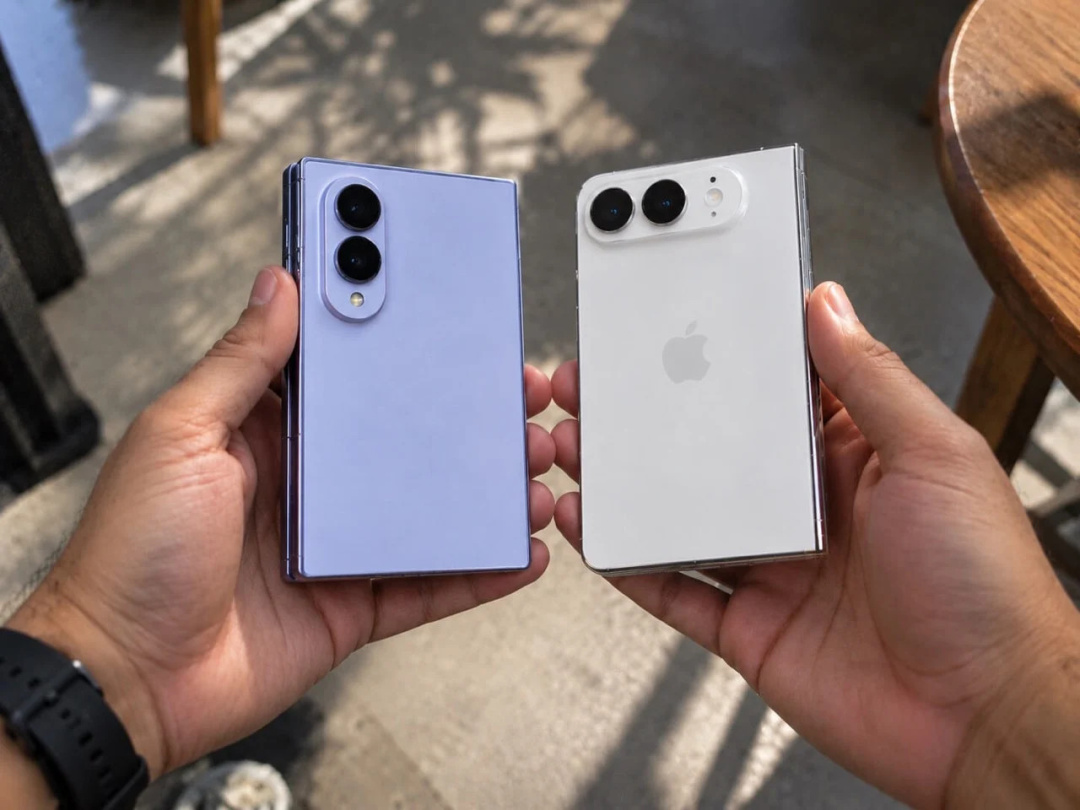
A groundbreaking new dating app has emerged, promising to match users with their ideal partners by analyzing their smartphone usage habits. This app is not just another dating service; it leverages algorithmic power to sift through user behaviors, preferences, and even the frequency of emoji use to identify soulmates with unprecedented precision. In a world where emotional connections are increasingly mediated by technology, the app’s developers have touted it as the ultimate solution for finding love—a process once thought to be too complex for a mere algorithm.
The app requires users to complete a mandatory 15-page questionnaire, covering everything from preferred phone color to the number of apps on their home screen. This extensive data collection is essential for the app to evaluate compatibility, but it raises a pressing issue: how can one gauge the love potential of someone whose most frequent app is a games platform? In this hyper-logical approach to romance, the question remains whether the algorithm can truly account for the messiness of human emotion, or if it's merely turning affection into a set of cold, hard metrics.
Objects of Questionable Importance
Must Have Sponsors.
Once you’ve submitted your app usage data, the app will perform its calculations, generating a match score that is said to reflect your compatibility. However, the results have sparked debates among users, some of whom find their top matches to be astonishingly unappealing. One user famously remarked, "I expected to meet my intellectual equal, not my morning coffee delivery driver, whose most-used app is a food delivery service." The gap between algorithmic suggestion and real-life chemistry seems to be widening, as compatibility scores do not always translate into meaningful connections.
The app promises features such as real-time compatibility updates based on the number of messages exchanged through its interface; if you’re not texting enough, you may find your match score drifting. This has led to a new form of emotional labor—users are now under pressure to keep their conversations lively, lest they be dropped from the compatibility charts. As if dating wasn’t challenging enough, users are now faced with the ominous reminder that their romantic prospects could be evaluated in real time, impacting their chances of finding true love.
The Competitive Landscape of Love
In an unexpected twist, the app has introduced a premium feature dubbed “The Date Guarantee.” For a monthly subscription fee, users can access a leaderboard that ranks them against others in their area, based on their dating performance and app engagement levels. The premise sounds enticing, until one realizes that love has now become a competitive sport, where the winner receives a date and the losers are left to ponder their relationship status in the app’s “loser’s lounge.”
Meanwhile, in Actual Reality
Finally, there’s the app’s backup algorithm that promises to help users improve their dating scores. If you find yourself struggling, the app suggests you attend mandatory “romance workshops,” where experts will teach you how to optimize your phone usage for better connection outcomes. These workshops cost extra and are seen by many as an unnecessary burden, yet the promise of higher compatibility ratings keeps users signing up.
With all these metrics in play, it’s hard to ignore the bleakness of a dating world that now requires constant performance tracking. Every swipe is scrutinized, every message analyzed, and every emoji interpreted. Amidst this technological frenzy, the question remains—are we truly closer to finding love, or are we simply losing sight of the humanity in our connections? As the final touch, the app is set to introduce an annual validity assessment, where users will be required to prove their dating prowess, or risk being relegated to the app’s lower echelons, where promises of love remain unfulfilled and algorithmic corrections grow ever more stringent.