Creators Demand Equity Stake Over Brand Deals in New Creator Economy Phase
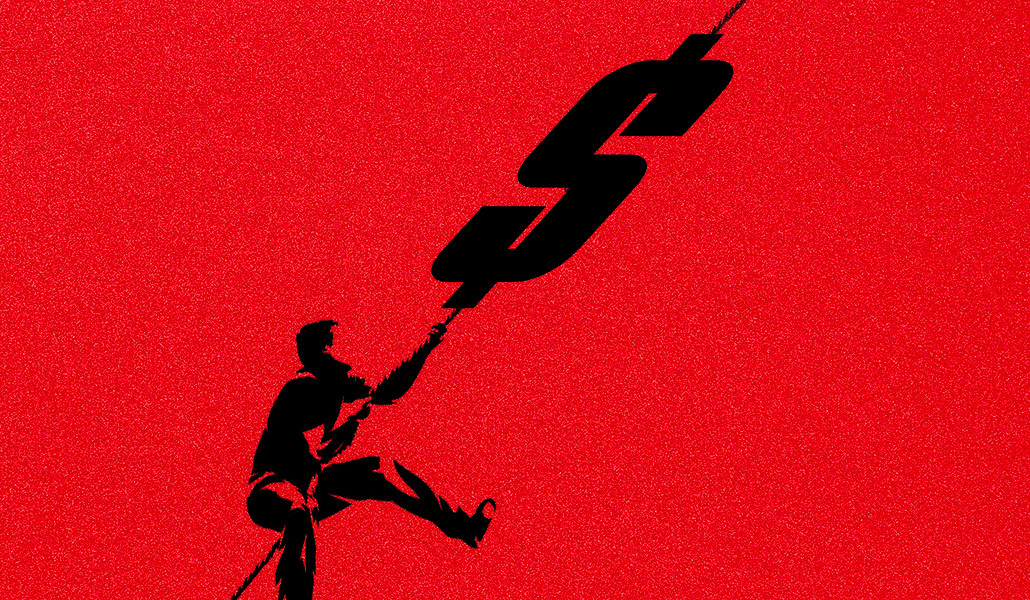
The influencer economy has reached a pivotal moment as creators now demand equity stakes in companies, transcending traditional brand deals. This revolutionary shift indicates that influencers are refusing to be mere transactional assets and are instead positioning themselves as essential stakeholders in the businesses they promote. This new expectation requires influencers not only to maintain their social media presence but also to contribute significantly to the business's direction and profitability.
In response to this demand, brands are rolling out comprehensive training programs designed to prepare influencers for their new roles as C-suite executives. These programs include everything from advanced business analytics to emotional intelligence workshops, ensuring that influencers possess the necessary skills to meet their new responsibilities. Creators are being urged to develop their understanding of profit margins, which must be balanced with their social media content creation schedules, effectively merging creativity with corporate acumen.
Objects of Questionable Importance
Must Have Sponsors.
As brands adapt to this monumental shift in influencer expectations, new performance metrics are emerging. Gone are the days of simply counting likes and shares; influencers are now evaluated based on their ability to enhance company valuation and reduce churn rates. The pressure to elevate brand equity is palpable, with influencers facing steep penalties for underperformance, such as reduced content budgets or even termination of contracts if the expected equity growth does not occur.
Moreover, brands are incentivizing influencers to take on these new roles with enticing benefits tied directly to company performance. This includes bonuses for every percentage point of growth in brand valuation, along with equity options that vest only if the influencer meets specific performance targets. Consequently, influencers must now navigate a labyrinth of expectations, transforming their roles from creative spokespersons into vested stakeholders with serious financial implications.
The Paradox of Creative Accountability
Yet, amidst these lofty expectations lies an absurd irony: influencers are expected to contribute original, engaging content while simultaneously mastering the intricacies of financial reporting and corporate governance. This duality presents an impossible checklist for success that would leave even the most seasoned professionals bewildered.
What Happens Outside the Fantasy
As the creator economy continues to evolve, the demands placed on influencers become increasingly convoluted. Not only are they expected to provide high-quality content, but they must also commit to ongoing professional development and corporate strategy participation. The reality is clear: influencers are not just creators anymore; they are now required to be full-fledged executives in a landscape that continues to redefine itself.
The new expectations do not stop there. Brands are also introducing a subscription model for ongoing training and mentorship programs to ensure influencers stay ahead in this ever-changing market. These subscriptions will provide essential updates on market trends, financial insights, and even exclusive networking opportunities, all at a cost that influencers are expected to absorb as part of their new equity role. Creators will soon find themselves pondering the cost of maintaining their stake and whether it’s worth the price of admission into this increasingly complex corporate world.