Milan Fashion Brands Mandate Family-Approved Aesthetics for New Heirs
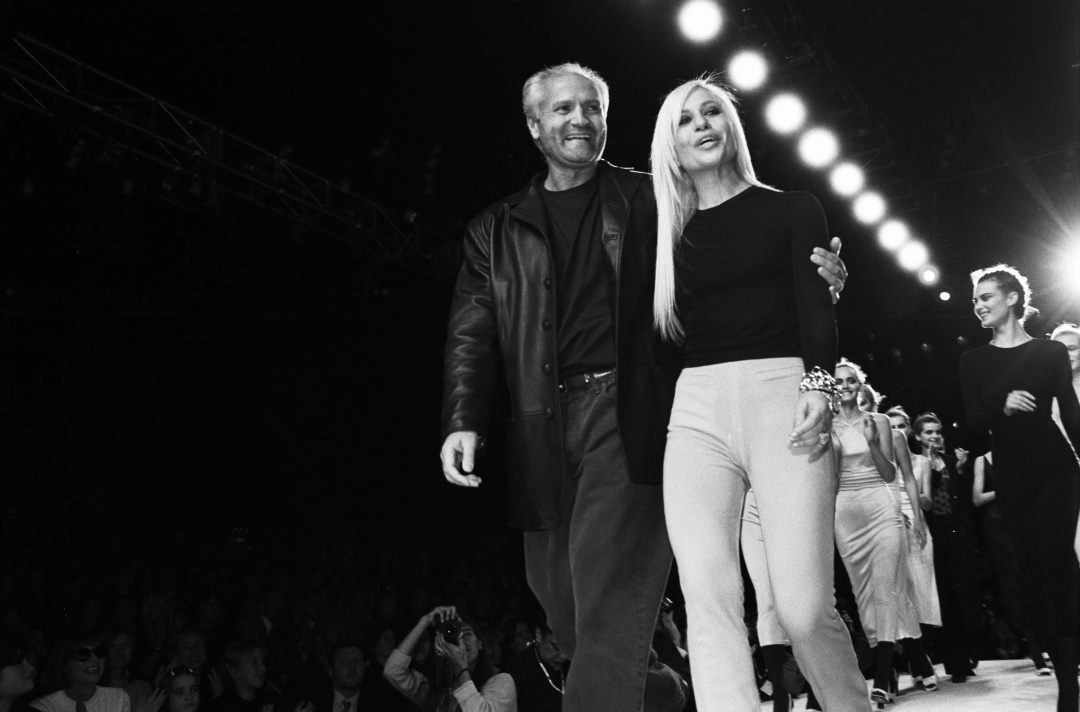
Milan's fashion houses are now operating under a new set of rules that demand their heirs not only embody their family legacy but also meet impossible consumer expectations. The recent trend has seen labels shifting hands, with new owners tasked with the delicate responsibility of maintaining brand integrity while innovating in an ever-evolving market. For instance, the children of iconic designers must ensure that their creative outputs are both a nostalgic homage to the past and an audacious leap into the future, all while keeping checklists of consumer desires in mind.
As families step away from direct control, the burden of legacy has been handed to fresh faces who are expected to decode decades of design philosophy. They must navigate the treacherous waters of high fashion, where a single misstep could result in the loss of brand prestige. New leaders are not merely inheriting designs, they are participating in an elaborate game of high-stakes poker where the cost of a faux pas extends far beyond a bad season and digs into the very fabric of family reputation.
Objects of Questionable Importance
Must Have Sponsors.
This month at Milan Fashion Week, it became abundantly clear that the pressure on these new heirs is monumental. The latest collections must effortlessly showcase the family's aesthetic while also pushing the envelope of contemporary trends. For example, Lorenzo Bertelli, son of Miuccia Prada, now at the helm of Versace, faces the challenge of balancing the flamboyant designs that defined his family with the quieter, more muted tones that consumers have recently clamored for. This paradox poses the question: how much of the past can one embrace before it becomes a hindrance?
To further complicate matters, there's a new metric at play: the ‘Aesthetic Authenticity Score’ which gauges how well designers align with their brand's heritage while appealing to modern tastes. This score has been introduced as a performance measure that will influence upcoming seasons’ budgets and opportunities within the industry. Designers find themselves in an increasingly absurd position where they must constantly compare their work against an imaginary ideal that combines nostalgia with innovation, all while keeping one eye on social media feedback—a platform that is notorious for its mercurial whims.
The Evolving Role of Familial Influence
As the operational narrative of these labels continues to shift, the relevance of family in the branding equation is under scrutiny. While some families like the Zegnas still maintain control, fresh investments from outside entities inject a new dynamic into the fabric of Milan fashion. This phenomenon raises interesting queries about what constitutes a fashion house's true identity and whether familial ties will continue to dictate creative direction or become an outdated relic of a bygone era.
Unfortunately, Facts Have Entered the Chat
The new era of Milanese fashion demands a delicate balancing act between honoring tradition and embracing the future, all while navigating the ever-shifting sands of consumer expectations. New metrics, like the Beauty Legacy Compatibility Index, are being proposed to further refine how successors should align their designs with the historical ethos of their brands while ensuring market relevance.
As this balancing act becomes even more intricate, the pressure mounts. Designers are not just creating clothes; they are attempting to encapsulate generations of family legacy in modern silhouettes that must simultaneously captivate a fickle public. This leads us to a final and daunting requirement: all designs must now undergo a mandatory ‘Legacy Approval Process’ before any fabric is cut, ensuring that no creative endeavor strays too far from the original brand ethos, lest a designer find themselves benched in favor of more compliant creations.