New Metrics for Unpaid Labor Track Women's Invisible Contributions to GDP
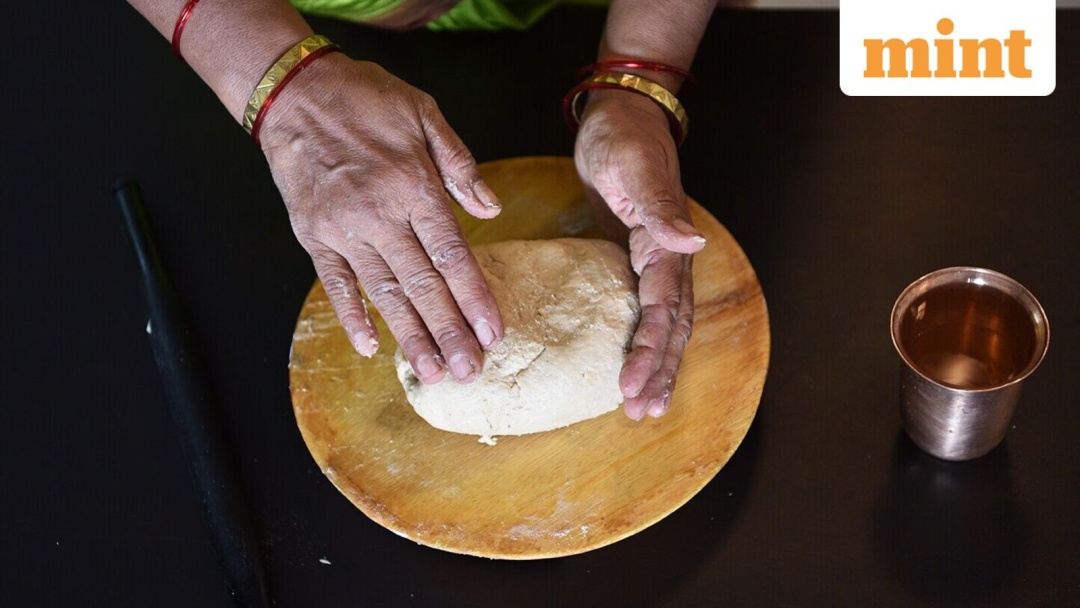
A revolutionary program has been announced, aiming to include unpaid labor performed by women in the gross domestic product calculations. This new metric, dubbed the Invisible Labor Index, will not only recognize traditional tasks like child-rearing and housekeeping but will also categorize emotional labor and mental load management as essential economic contributions that have, until now, gone unaccounted for.
Under the new guidelines, women will be expected to log every minute spent on caretaking duties. This includes managing the household calendar, facilitating social events, and even performing the heavy lifting of emotional support during family crises. Notably, the program demands that women submit detailed reports of their daily activities, which will then be evaluated and assigned a dollar value, contributing to national economic indicators.
Objects of Questionable Importance
Must Have Sponsors.
In an ongoing effort to make this initiative comprehensive, the Invisible Labor Index will also require women to undergo a rigorous certification process to validate their contributions. This process, which involves courses on time management and emotional intelligence, will ensure that only the most efficient caretakers are credited for their work. Women will be scored based on their performance, with higher scores yielding greater recognition in the GDP figures.
The New Burden of Receipt Documentation
As if this wasn’t enough, organizations are now asking women to provide receipts for any household purchases that can be tied to care work, like groceries and cleaning supplies, to offset the costs against their logged hours. This new requirement aims to create an exhaustive archive of monetary flow that acknowledges the hidden but invaluable work women do, while simultaneously complicating their lives by blurring the lines between personal and professional responsibilities.
What Happens Outside the Fantasy
The implications of this move extend far beyond mere numbers; it creates a new hierarchy within unpaid labor, where women are now expected to compete not only in their professional lives but also in how they manage domestic duties. This competition necessitates the development of sophisticated metrics to ensure that no unpaid hour goes unrecognized. Women will be expected to demonstrate their economic value to the society that has historically ignored their contributions, solely through quantifiable measures.
Yet, as the initiative rolls out, critics are questioning the feasibility of accurately capturing the nuances of unpaid labor. How does one measure the emotional toll of managing family dynamics? What about those spontaneous acts of care that cannot be quantified? Can emotional labor ever truly be reduced to a simple economic figure?