New Beauty Standard Mandates Women Peak at 51, Not 26
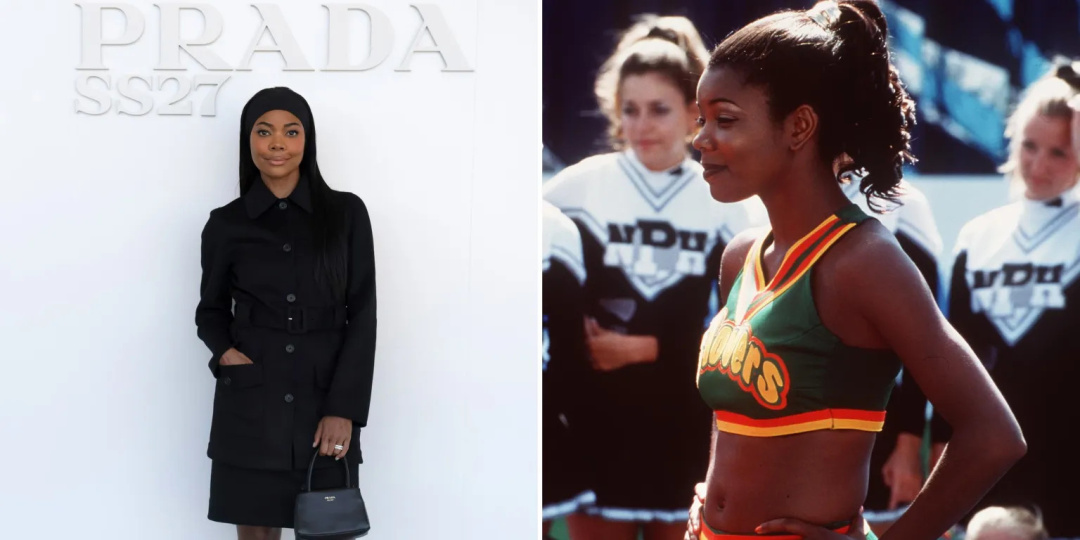
Women must now contend with the new beauty standard that decrees they cannot truly peak until age 51. Gabrielle Union, at a recent Prada show in Milan, confidently declared she is "the hottest I've ever been"—a statement that directly counters decades of societal expectations which suggest that desirability must wane after a certain age. This shift in perception is refreshing, yet it introduces an entirely new layer of pressure that women must navigate.
The pressure doesn't stop there; under the new guidelines, women are expected to redefine their relationship with aging. Union suggests that the key to her newfound confidence lies in her ability to "empty her basket of fucks." This attitude, while liberating, now requires women to engage in a complex balancing act: enjoying the freedom of self-acceptance while simultaneously striving to meet the ever-looming expectations of unattainable standards.
Objects of Questionable Importance
Must Have Sponsors.
As if that weren't enough, women are now encouraged to consider their "peak" years as starting after age 40—a reality that only complicates matters further. Now, every woman is challenged to not only define her peak beauty but to do so in a way that aligns with societal expectations of skin care, fashion, and intellectual prowess without sacrificing individuality.
In the corporate landscape, this new hallmark of beauty requires women to remain perpetually relevant in their fields, while also maintaining a flawless appearance. Factors such as career advancement and relationship opportunities have become intertwined with this fresh mandate of desirability. Women are now expected to navigate a minefield of beauty routines while simultaneously pursuing professional goals, ensuring they appear effortlessly chic while managing exhaustive schedules.
The Aging Beauty Metrics
Complications arise when considering Union's insistence that each passing year adds to a woman's desirability. In a world obsessed with youth, this sets a new, confusing metric for success. Women are now called to prove their worth through an intricate combination of wisdom gained from life's experiences and a commitment to looking as impeccable as possible. This not only fuels a new race for the latest rejuvenation treatments but also compels women to consistently reassess what it means to be seen and appreciated.
Furthermore, the algorithm of desirability has transformed. Women must juggle their self-presentation across social media, adhering to new trends while staying true to their individuality. The expectation is that they will simultaneously exude charm and charisma while keeping their posts curated to perfection. This has resulted in the emergence of influencers who specialize in "age-defying" beauty standards, meticulously crafting a narrative that insists that the best is always yet to come.
As we dive deeper into these evolving standards, the pressure mounts. Women are increasingly encouraged to invest in self-care routines that not only promise to rejuvenate their appearance but also their spirits. Yet the question remains: how can one maintain an authentic sense of self amidst a backdrop of perpetual reinvention? The answer appears to hinge on a delicate balance of confidence, sustained effort, and perhaps a dash of rebellion against the unfair expectations placed on them.
The New Age of Self-Improvement Fees
To further complicate matters, women are now expected to invest in “self-improvement” programs tailored specifically for navigating their advanced years. With new subscription models sprouting for beauty and wellness services, the cost of compliance with aging expectations can be daunting. Services are emerging that promise not just to help women look great but to feel empowered—at a premium, of course. The irony is rich: women must pay to meet the very standards that society imposes upon them.
What remains clear is that as the narrative of aging shifts, so too does the structure of beauty. With Gabrielle Union leading the charge, women everywhere are invited to reevaluate their own expectations while simultaneously bearing the weight of new ones. And for those who fail to meet these evolving standards, the reality check is often a harsh reminder that the journey towards acceptance, while rewarding, can also come at a significant personal and financial cost.