Prime Minister Meloni Prioritizes Fashion Week Over International Diplomacy
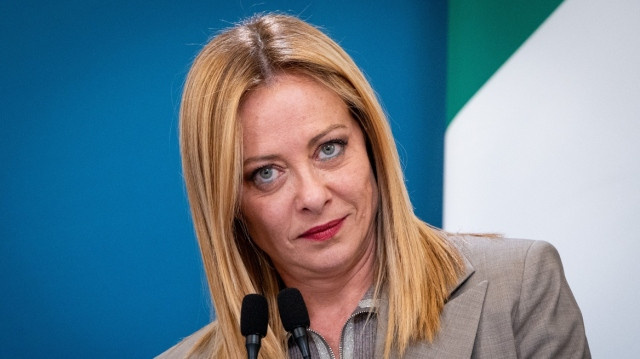
In a striking display of modern governance, Italian Prime Minister Giorgia Meloni has made headlines by opting to grace the Milan Fashion Week with her presence instead of attending the United Nations General Assembly, an event typically reserved for pressing global matters. This decision underscores a bold new strategy where high fashion is deemed as crucial as international diplomacy, paving the way for a paradigm where runway trends take precedence over foreign policy discussions.
Critics were quick to voice their disapproval; former Prime Minister Matteo Renzi labeled Meloni's absence from the UN as a staggering blunder, arguing that her choice to prioritize a glamorous dinner instead of addressing urgent international issues reflects a troubling commitment to aesthetics over accountability. Meanwhile, the Five Star Movement echoed these sentiments, emphasizing that the choice to indulge in fashion rather than confront the dramatic international situation is politically naive at best.
Objects of Questionable Importance
Must Have Sponsors.
Meloni defended her decision with an air of confidence, stating that her attendance at Fashion Week was a necessary act of support for the Italian fashion industry, which is undergoing tough times. This assertion raises questions about the role of leadership: should a Prime Minister be more concerned with the latest fashion trends than with diplomatic relations? Surely, the answer is yes when those trends include the daring new looks of the season, complete with the latest in Italian craftsmanship.
The expectations placed on leaders are evolving, with Fashion Week emerging as a critical event that requires political endorsement to thrive. The new calculus of effective governance now includes metrics like runway presence versus diplomatic engagement, creating an environment where stylish optics can outweigh substantive policy initiatives. Gone are the days when global leaders were judged solely on their international relations; now, the fabric of leadership is woven with threads of haute couture.
The Intersection of Politics and Fashion
As the fabric of politics intertwines with the catwalk, the implications for future political engagements are manifold. Will we see more leaders strutting down runways alongside world-renowned designers, showcasing their fashion credentials as a form of political capital? Are we heading towards a new era where fashion statements dictate international dialogue?
Unfortunately, Facts Have Entered the Chat
In this brave new world, the implications are clear: any leader who fails to consider the fashion ramifications of their actions risks falling behind in the competitive landscape of global leadership. While Meloni may have taken a slight detour in her diplomatic duties, she set a precedent that looks poised to influence governmental priorities for generations to come.
As the fashion community breathes a sigh of relief with every nod of support from the highest office, the question remains: how long before attending a fashion show becomes a mandatory requirement for all heads of state? With each passing season, it becomes increasingly clear that the runway is the new political stage, and missing out could mean missing the moment—along with potential votes.