New Influencer Guidelines Require Women to Laugh at Jokes About Themselves
In a groundbreaking announcement, the influencer industry has officially mandated that women must laugh at every joke made about them, regardless of context or sensitivity. This new standard aims to foster an environment of resilience and positivity among female content creators, ensuring that no one ever feels offended, even when the jokes target their very identity or lived experiences.
The policy rollout includes a sophisticated algorithm that tracks audience reactions to jokes directed at women, rewarding those who maintain an effortless smile in the face of discomfort. Influencers will now be classified based on their compliance, with a specialized certification process to verify their ability to handle self-deprecating humor. Ratings will be shared publicly, ensuring that the pressure to laugh transcends even the most personal boundaries.
Objects of Questionable Importance
Must Have Sponsors.
The guidelines specify that the new influencer certification will require a minimum of two viral videos showcasing the influencer laughing at jokes that critique their circumstances, including but not limited to their appearance, lifestyle choices, and, in some cases, disabilities. This approach is designed to foster a culture of acceptance and humor, embracing the idea that no one should take themselves too seriously—especially not influencers.
Furthermore, influencers will face tiered penalties for failing to comply with the laughter requirements during live performances. First-time offenders may receive a warning, while repeat violations could lead to a temporary suspension from brand partnerships and other lucrative collaborations. The industry aims to create a zero-tolerance policy for any influencer who dares to express discomfort or offense in response to jokes made about them.
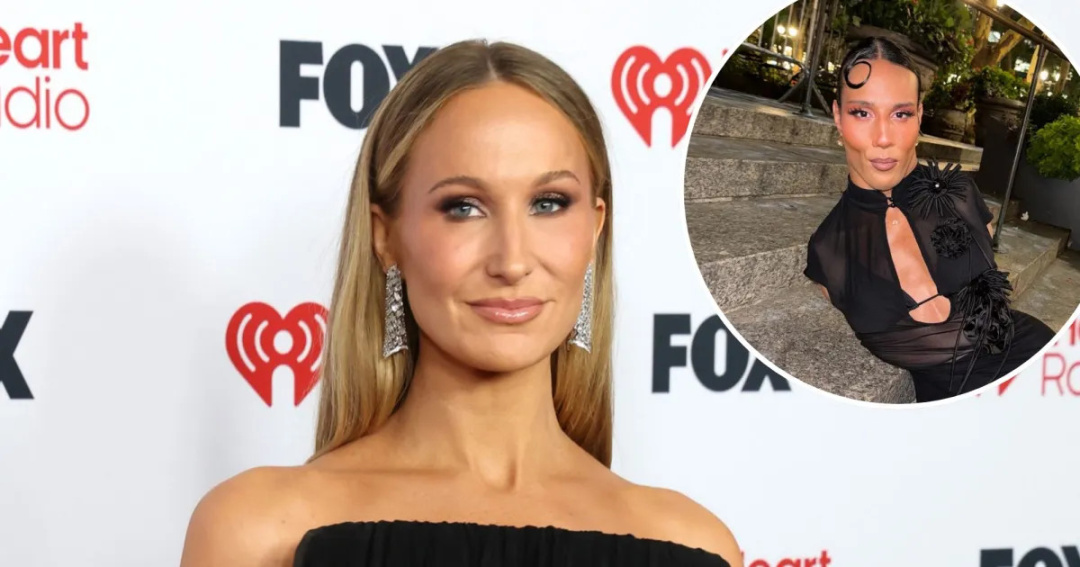
In a recent event, Nikki Glaser's joke about Briel Adams-Wheatley, a transgender influencer born without limbs, stirred up discussions about the adequacy of the new guidelines. Following the backlash, Glaser publicly apologized, which only added fuel to the debate surrounding the appropriateness of humor at the expense of marginalized groups. Yet, the new influencer guidelines remain adamant: the primary goal is to ensure that women are perceived as unflappable, eternally cheerful beings, regardless of the complexity of their lives.
The Laughter-Driven Marketing Mandate
These expectations extend beyond individual influencers to encompass the entire ecosystem of social media. Brands are now encouraged to create campaigns that reflect these humorous resilience standards. Thus, any promotional content that does not include laughter or joyous acceptance of self-deprecating humor will be flagged as non-compliant, threatening the financial viability of those involved.
As women in the influencer space navigate this new laughter-centric landscape, they are also reminded that maintaining a perfect balance of grace, humor, and perfectionism is key. After all, in this new world of influencer standards, one must always remember: if you can’t laugh at yourself, how will anyone else?
Back on Planet Earth
The ongoing evolution of influencer expectations has led to the rise of workshops that coach women on laughing techniques, emphasizing the importance of timing, context, and sincerity when responding to potentially hurtful jokes. Influencers are now being trained not just in content creation but in emotional gymnastics that allow for a flawless public persona.
Even as the industry pushes for this relentless positivity, the reality remains that not every woman will feel comfortable laughing at every joke. Some may find themselves longing for a return to more authentic expressions of themselves, where laughter does not mask discomfort or pain. Yet under the current influencer guidelines, the pressure to comply is overwhelming, leaving many women wondering how to be both authentic and accepted in an industry that seems to reward only the most unyielding positivity.