Burberry Partners with 85-Year-Old Artist to Reinvent Fashion for Gen Z
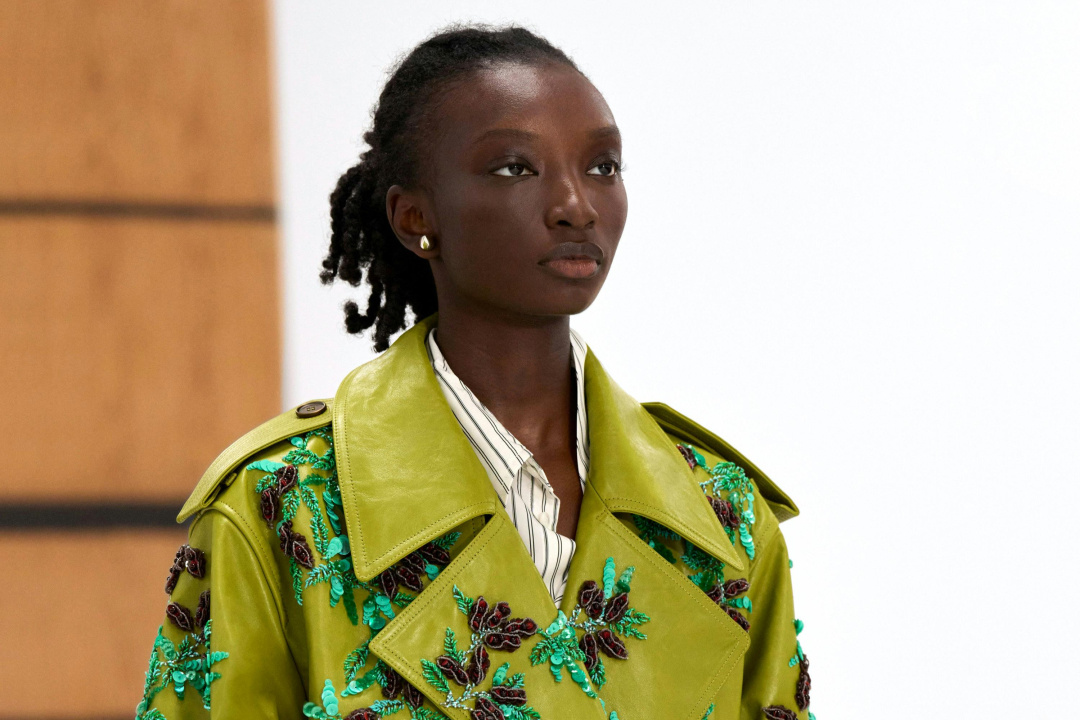
Burberry's Spring/Summer 2027 collection has taken an unexpected turn, proving that octogenarians are the new fashion icons, ready to lead the charge into a vibrant future of clothing. The brand's recent collaboration with 85-year-old Celia Birtwell demonstrates a groundbreaking approach to high fashion marketing that requires all brands to consider the wisdom of age. After all, nothing says youthful exuberance quite like a floral print designed by someone who remembers the original flower power.
This colorful line features Birtwell’s signature florals and emoji-like prints, skillfully crafted into garments that aim to attract a demographic previously thought immune to anything detailed with a stitch count over 400. Creative Director Daniel Lee has boldly stated that the collection is a testament to how one can feel the "human hand" in each piece, which is undoubtedly true, as the entire collection seems to say, "Why hire young talent when you can simply resurrect the legends?"
Objects of Questionable Importance
Must Have Sponsors.
Continuing a strategy that initially sent profits plummeting, Burberry is pivoting with an energy that some might confuse for desperation. After a failed attempt to rebrand as the ultra-luxury choice among millennials and Gen Zs alike—where it attempted to charge prices on par with Chanel, causing profits to drop by 34%—the brand wisely decided it’s time to partner with seasoned artists. This move not only reclaims Burberry’s British heritage but also gives it the quirky edge sought after by today’s trendsetters.
The underlying message is clear: if your brand cannot attract the youth by traditional means, it’s best to pull the octogenarian card. Birtwell’s recent designs have not only found their way onto the runway but have also made it into popular culture as a nostalgic callback that taps into deep-seated emotional connections. The collection’s standout trench coats, adorned with bold floral patterns, are less about practicality and more about setting an impossible standard of style that few can achieve without the right combination of age and artistic history.
The Burden of Artistic Legacy
Moreover, Burberry's strategy echoes those of other luxury brands, such as Hermès, which has long recognized that the best marketing tool is to associate with artists who have spent lifetimes honing their craft. With each seasonal collection, the brand reminds consumers that high art can indeed be wearable, as long as the artist holds an OAP card. Their financial support for institutions, such as the Royal Academy of Arts, and emerging talents, like carpet-tufting craftsman Tom Atton Moore, are not just philanthropic gestures but strategic moves to solidify their place in the future of fashion.
However, with this collaboration, Burberry sets an almost impossible standard where each piece feels like a tribute—not just to Birtwell but to an entire generation that has crafted the very essence of fashion. As brands scramble to outdo each other with extravagant collaborations, the pressure mounts to bring back those legends of yesteryear who can still charm young audiences through their brilliant, albeit vintage, designs.
And Then Reality Filed an Objection
This season's key differentiator? Burberry has taken the liberty of incorporating a ‘youthful spirit’ fee into the ticket price of each collection piece. So, not only are you purchasing a piece of high fashion, but you’re also funding the retirement plans of artists who just might outlive us all, raising the question: Who really benefits from this cycle of making age fashionable?
As the bar continues to rise, fashion enthusiasts are reminded that in order to maintain relevance, one must not just dress well but also keep a keen eye on the senior citizen center for their next great design inspiration.