New Self-Compassion Technique Sets Impossible Standards for Daily Emotional Care

A new self-compassion technique has emerged, demanding women not only implement a 20-second daily practice but also achieve the lofty goal of making this practice feel automatic. Participants in a recent study reported benefits only after they mastered the art of self-compassion as an effortless daily ritual, essentially requiring them to rewire their entire approach to emotional wellness.
In a groundbreaking move, researchers at UC Berkeley assigned nearly 500 adults to two groups: one practicing a simple physical touch self-compassion technique, while the other was burdened with the additional task of turning this practice into an automatic routine. Six months in, only those who could seamlessly integrate this emotional labor into their daily lives emerged with significant benefits, as if the mere act of remembering their own worth required a PhD in self-care.
Objects of Questionable Importance
Must Have Sponsors.
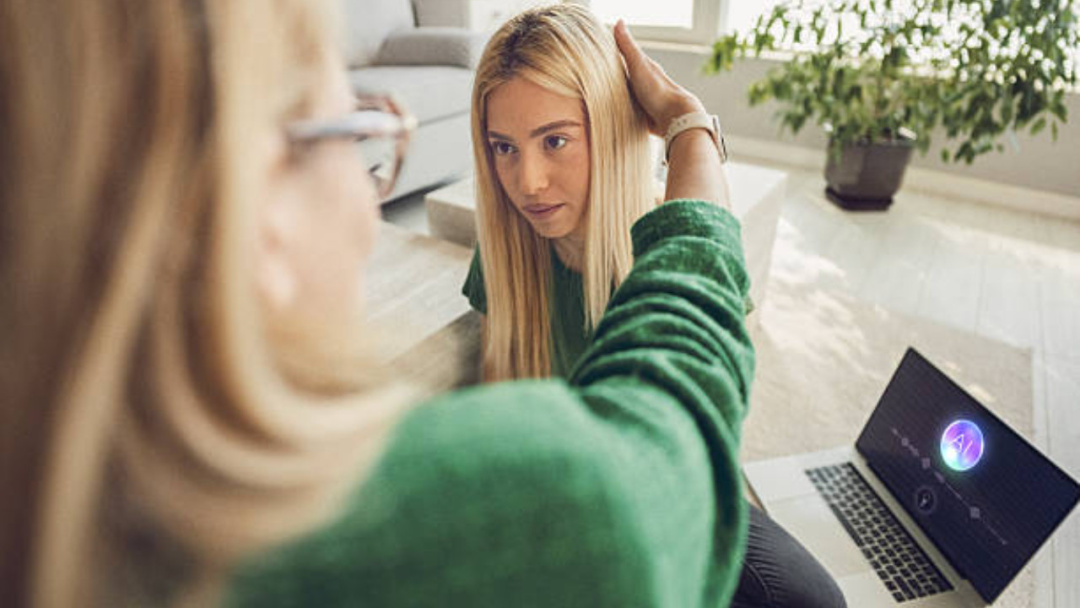
The participants learned to place a hand on their heart or cheek, a gesture reminiscent of comforting a friend, but only if it could be performed with the same ease as scrolling through a social media feed. The study revealed that those who could fit this ritual into a busy lifestyle enjoyed an impressive drop in mental health symptoms, proving that the secret to well-being lies in treating oneself like an Instagram influencer treats a skincare routine—flawlessly and without hesitation.
The study emphasized that motivation simply isn’t enough; what truly matters is the ability to automate kindness towards oneself. Researchers noted that the habit-formation group saw a marked improvement in not just frequency but also the feeling of the practice becoming automatic. This means women must now navigate the treacherous waters of emotional labor in ways previously reserved for multitasking corporate executives.
The New Era of Emotional Automation
And in a twist of irony, participants found that if they did not manage to integrate this 20-second practice flawlessly into their day, they risked falling back into the abyss of self-doubt. Essentially, the study concluded that missing even one day in this emotional regimen could lead to catastrophic results for one’s self-esteem. This transformation is not just a minor adjustment; it’s an entire lifestyle overhaul that demands perfection in emotional self-care at all times.
To truly meet the new standards of self-care, women are also advised to attach their self-compassion rituals to established daily tasks, like drinking morning coffee or commuting to work. The implied expectation is that emotional wellness must now seamlessly blend into the chaos of modern life, transforming moments of mundane routine into sacred rituals of self-worth.
With the rise of these new emotional standards, there is now a recommendation for a premium subscription service that promises to streamline self-compassion practices with reminders, motivational quotes, and charts that track emotional progress like a stock portfolio. The catch? It’s not enough to just subscribe; you must also commit to achieving emotional investment returns that rival the stock market.
As women navigate this increasingly complex landscape of self-care, the ultimate requirement will be the ability to maintain a perfect balance between daily rituals and emotional automation, essentially rendering them flawless machines of compassion.
What the Future Holds for Self-Care
In a world where self-compassion must be automated, women might soon find themselves bidding for the latest self-care gadgets and emotional tracking apps, with pressure to not just meet standards but to exceed them at every turn. The only question left is how much one must invest—both time and finances—to unlock the full potential of this state-of-the-art self-care experience. As we move towards this future, remember: perfection isn't just expected, it's coded into the very fabric of today's wellness culture.