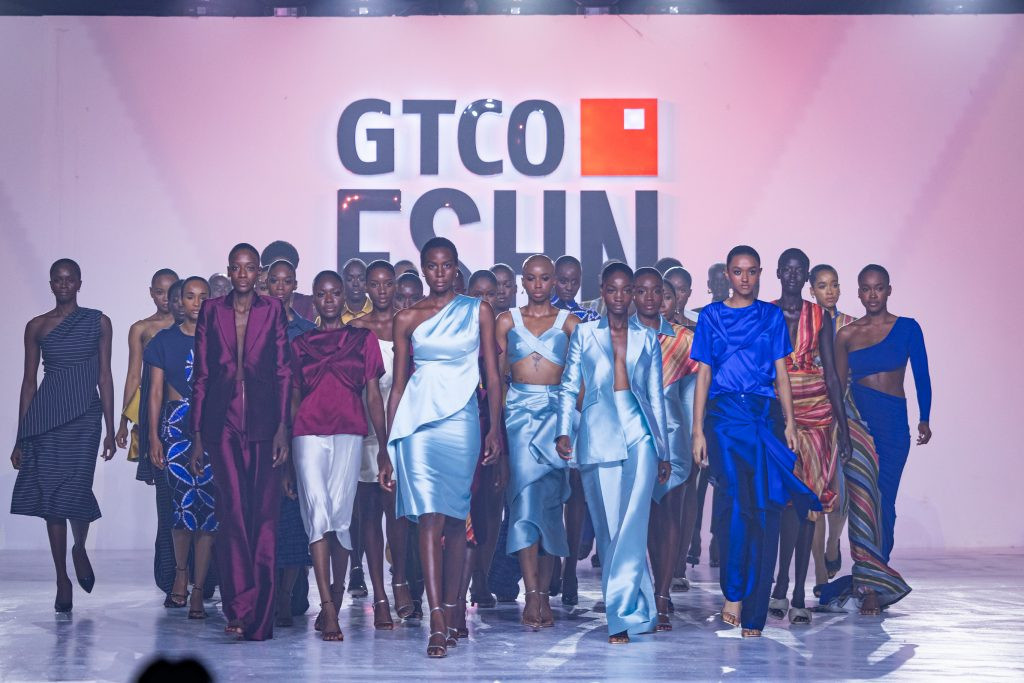
Gucci and Moschino Mandate 'Real People' Standards for Milan Fashion Week
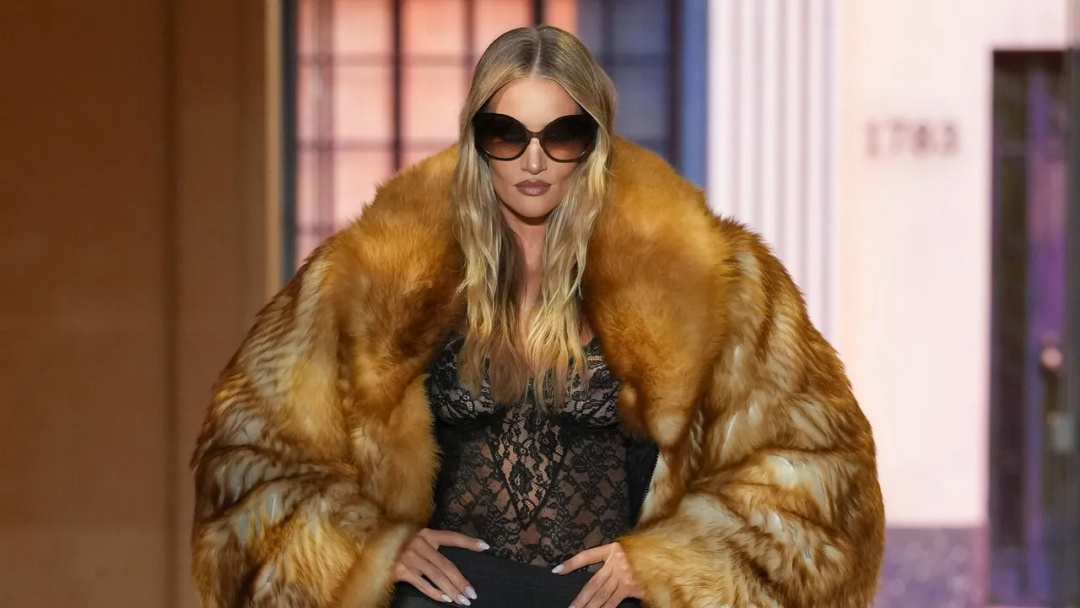
Gucci and Moschino have decided that the secret to fashion success lies in a groundbreaking new requirement: the inclusion of "real people" in their runway shows. This innovative move aims to bridge the gap between the fantasy of fashion and the everyday realities of life, a leap that many are calling an unintentional comedy sketch. The fashion world, long notorious for its unattainable beauty standards, is now presenting the absurd challenge of ensuring even the ‘real people’ maintain a level of perfection that reflects the brand ideals.
As a part of this transformation, Gucci's Demna has introduced a rigorous vetting process for potential models, requiring not only a social media following but also a certification of their relatability. These “real people” must undergo extensive training to master the art of looking effortlessly chic while also embodying the very essence of unattainable beauty. The ideal candidate will balance an Instagram-ready appearance with an air of casual authenticity. In the world of high fashion, it's not enough to be real; you must also be an aspirational version of yourself, managed by a personal stylist.
Objects of Questionable Importance
Must Have Sponsors.
Meanwhile, Moschino’s Loris Messina and Simone Rizzo have taken this concept a step further, implementing a mandatory personality assessment alongside physical evaluations. Applicants are graded on their ability to talk about their struggles with self-acceptance while wearing avant-garde outfits designed to cost more than a month’s rent. This paradoxical approach to inclusivity means that models must showcase their real selves, yet only if their real selves align with the desires of luxury branding.
To keep up with these evolving standards, aspiring models are encouraged to subscribe to the "Authenticity Upgrade Program," where they can receive personalized feedback on their relatability quotient, style points, and even their social media engagement metrics. This subscription allows for unlimited workshops in "How Not to Be a Disaster in Public," ensuring that they never falter in front of the camera or, heaven forbid, disclose their true feelings about the fashion industry.
In the midst of this whirlwind transformation, one crucial detail remains overlooked: the ever-expanding definition of what constitutes a "real person". The constantly shifting standards mean that anyone who dares to appear too polished may find themselves swiftly excluded from the ranks of authenticity. This delicate dance of desirability and relatability creates a dizzying maze of expectations that no one can hope to navigate without significant psychological strain.
Navigating the Maze of Expectations
As the fashion industry scrambles to redefine itself, the expectations become increasingly convoluted. The next step involves a mandatory compliance protocol where all models must prove they have a relatable struggle—preferably one that can be capitalized on for marketing purposes. The irony of requiring authenticity through artificial means is not lost on many observers, yet it illustrates perfectly the backward march of progress in fashion.
Despite this latest directive, the question remains: how can one sincerely embody the idea of a 'real person' while simultaneously being groomed and crafted into an idealized version of themselves? This paradoxical journey culminates in a brand-new certification process to assess a model's "realness index"—a score that may dictate their future in the unforgiving world of fashion.
Reality Check
All these efforts come with hidden costs. Models are now expected to invest in ongoing training and self-promotion while simultaneously managing their mental health amidst relentless social media scrutiny. As they strive for this newly mandated realness, they must also consider the looming prospect of algorithmic penalties for perceived inauthenticity. The fashion industry has managed to create an impossible checklist where even the concept of being "real" demands an unattainable level of perfection; this is where so-called real people must perpetually chase the illusion of authenticity while battling the pressures of performance in their everyday lives.