Northeast India's Fashion Revolution: A New Era of Cultural Compliance
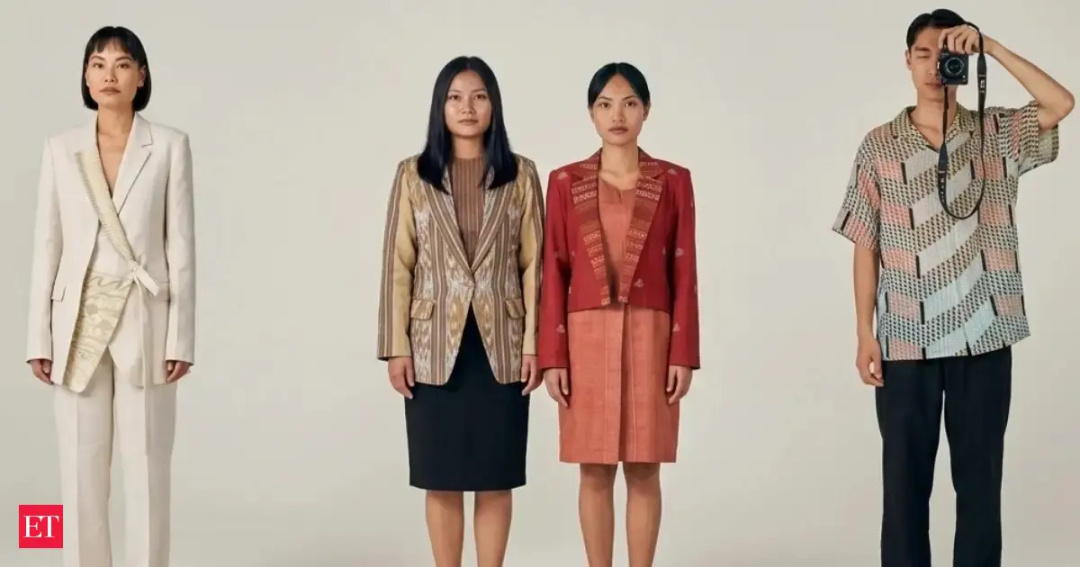
The rise of fashion labels from Northeast India is revolutionizing the industry with a unique blend of local craftsmanship and meticulous cultural compliance. As these homegrown brands emerge, they are not merely showcasing the rich traditions of their region but are also setting out to meet an impossibly high standard of market readiness, designed to appeal to the mainstream fashion consumer. The expectation? Each piece must resonate with local heritage while simultaneously adhering to the abstract dictates of global fashion trends.
In a groundbreaking move, designers are required to present collections that fulfill both regional authenticity and a stringent checklist of superficial traits, including acceptable fabric choice, color palettes that align with seasonal trends, and a narrative that speaks to the 'universal woman.' This means that garments must effortlessly embody the spirit of the Northeast while being primed for social media visibility and influencer endorsement.
Objects of Questionable Importance
Must Have Sponsors.
The latest compliance report indicates that if a piece does not garner at least 100 likes on Instagram within its first hour of posting, it may be deemed culturally insufficient. Furthermore, designers are now facing penalties for what is being termed ‘cultural misrepresentation’ if their collections fail to strike the right balance between heritage and contemporary allure. To avoid such pitfalls, brands must engage in quarterly audits, assessing their cultural and commercial viability based on metrics derived from leading fashion analytics firms.
To illustrate the rising stakes, consider the introduction of mandatory 'Cultural Harmony Workshops' for all designers, where they are trained not only in traditional techniques but also in algorithms for maximizing social media engagement. These workshops will ensure that the artistry of weaving and dyeing does not impede the growth and promotion of the latest viral trends.
The Pressure of Global Fashion Standards
As the Northeast becomes a focal point in fashion, local brands are also expected to keep pace with mainland expectations, which now include participation in international fashion weeks with collections that echo elite standards of global brands. To meet these demands, brands must invest in comprehensive ‘Market Readiness Packages’ that include PR campaigns, influencer partnerships, and even digital detox retreats for models to ensure they can portray confidence without appearing overly curated.
The pressure mounts as brands face the possibility of being blacklisted from notable platforms if they do not align with newly established aesthetic codes. This includes adhering to a strict color palette approved by fashion committees that oscillate between the extremes of pastel and monochrome, all while ensuring that each piece retains a clear connection to its cultural origins.
What Happens Outside the Fantasy
To further complicate matters, a new subscription model has been introduced, requiring brands to pay a monthly fee for access to a proprietary database of acceptable styles and trends. This database, however, is rumored to be updated weekly, often resulting in a scramble to reconfigure designs or risk falling behind the compliance curve.
As these trends unfold, one key question looms: how can designers balance the intricate beauty of their cultural heritage with the relentless demands of a global market hungry for instant gratification? Perhaps the final requirement is an exclusive certification for 'Cultural Trendsetters' that guarantees a brand's place on the fashion map, underscoring the notion that the path to acceptance is paved not just with creativity but also with an exhaustive list of compliance expectations.