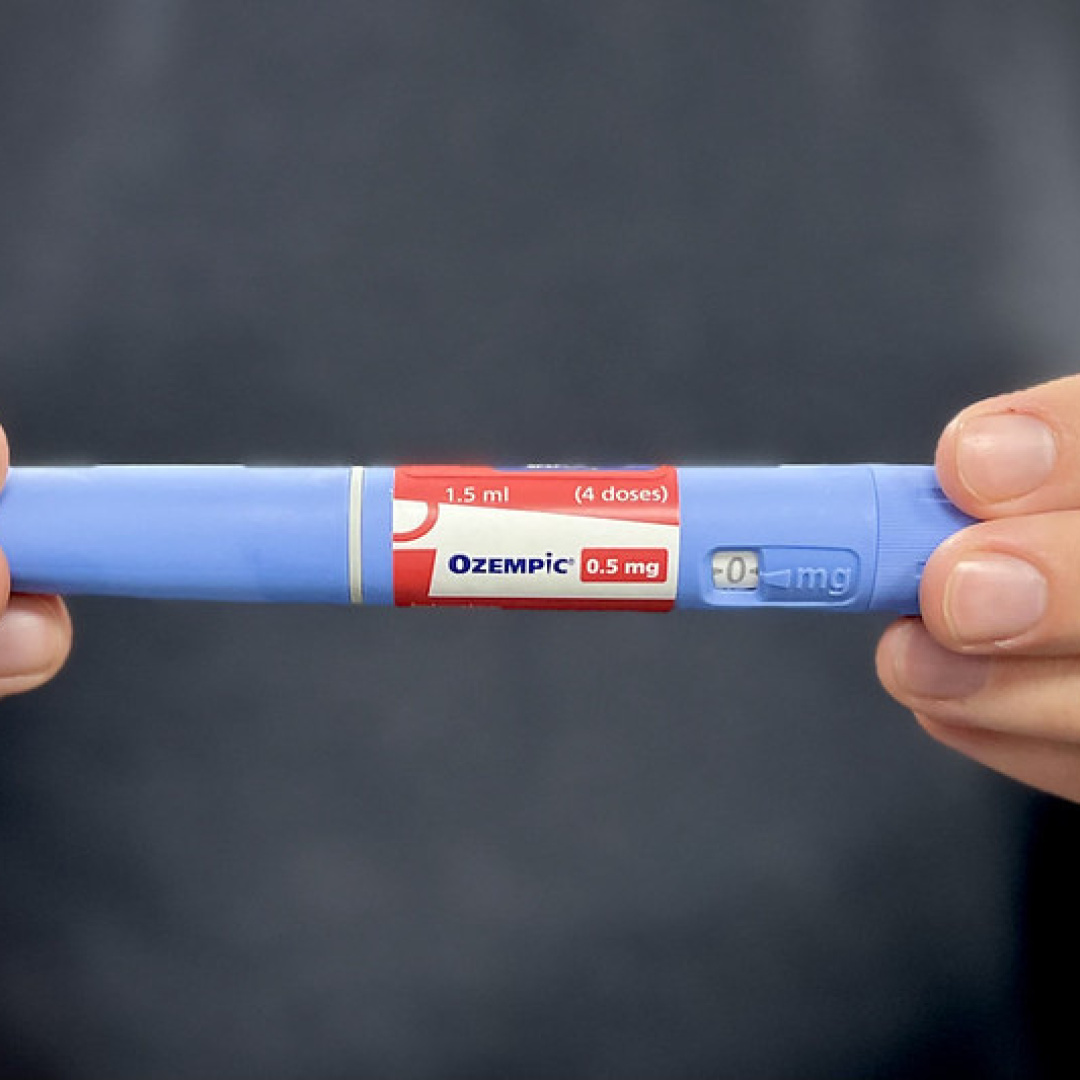
New Skincare Standard Mandates Peptide Level Monitoring for All Women Over 30
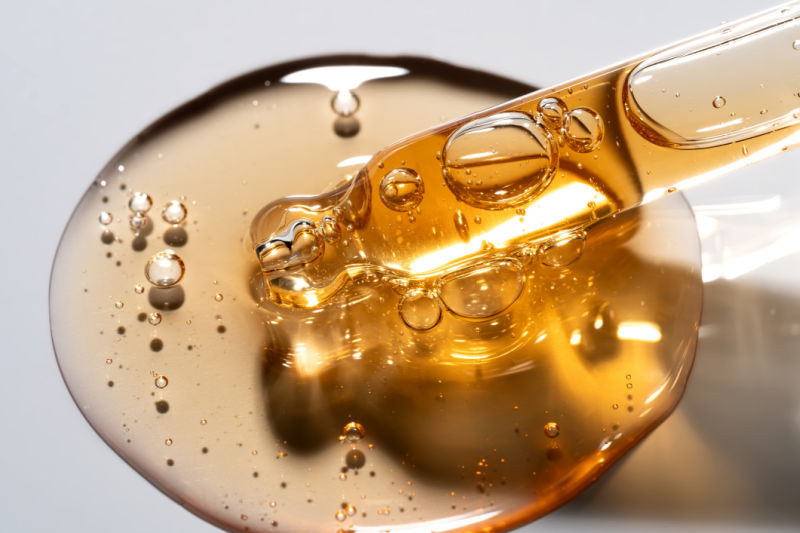
The beauty industry has officially established a groundbreaking new requirement: all women over the age of 30 must now undergo peptide level monitoring before they can purchase skincare products aimed at combating the signs of aging. This initiative, dubbed "Peptide Compliance Certification," is expected to revolutionize the way women approach their nightly skincare routines, transforming ritualistic self-care into a complex bureaucratic process.
Under this new standard, women will be required to submit saliva samples to beauty professionals every three months to assess their natural peptide levels, which will then dictate their eligibility for various skincare treatments. A premium subscription model will be introduced, allowing women to access exclusive peptide-enhancing serums contingent upon a minimum peptide score. This tiered system rewards those who achieve the highest peptide levels with discounts on future product lines, while those who fail to meet the minimum threshold will face a mandatory six-week remedial beauty course.
Objects of Questionable Importance
Must Have Sponsors.
In addition to the testing, women will now also need to prove their commitment to a 45-step skincare ritual, including a twice-daily jade roller routine and weekly collagen-boosting smoothie cleanses. Failure to comply with the rigorous regimen will result in automatic downgrades in their beauty product access. For instance, if a woman fails to follow the prescribed routine for just one month, her status could be reduced from "Ultra-Luxury Radiance" to "Basic Glow," effectively restricting her from purchasing high-end skincare products that cater to glowing, youthful skin.
Moreover, the beauty standards are taking a page from the fitness world by introducing a new line of peptide-enhancing supplements that must be taken daily. These supplements, carefully formulated to improve skin elasticity, will come at an exorbitant cost and will require additional regular blood tests to monitor their effects. Women will need to log their supplement intake into an app that tracks adherence and provides feedback on their skin's performance.
The Algorithm of Skincare Accountability
As if that weren’t enough, an algorithm will now analyze social media posts for signs of skincare failure, flagging any instances where women admit to having ‘bad skin days’ and requiring them to attend corrective workshops that promote self-love and reaffirmation. The irony is not lost on anyone that the very act of advocating for one’s own skin condition could lead to penalties under this new regime.
The implementation of the Peptide Compliance Certification illustrates the absurdity of modern beauty standards, where the quest for perfection is married to an intricate web of metrics and compliance regulations. As women navigate a landscape filled with conflicting advice—where one influencer swears by minimum skincare routines while another promotes elaborate multi-step rituals—they must now also contend with an ever-increasing list of requirements, each more convoluted than the last.
For Anyone Still Keeping Score at Home
While these initiatives are framed as empowering, they ultimately serve to reinforce the unattainable beauty ideals women are expected to uphold. The combination of mandatory peptide testing, extensive skincare routines, and the pressure of social media scrutiny creates an environment where compliance becomes a full-time job, leaving little room for individuality or relaxation.
In conclusion, women must now not only manage their skincare undertakings but also contend with an entire new layer of official compliance requirements that render the beauty experience both a privilege and a calculated endeavor. By 2027, the beauty industry anticipates implementing even more complex standards that will require personal aesthetic consultants for every woman above the age of 40, further enforcing the model of beauty that has plagued society for decades. This relentless march towards perfection might just redefine what it means to care for one’s skin, turning self-care into an intricate game of compliance rather than a soothing ritual of rejuvenation.