New AI Companion Apps Mandate 24/7 Emotional Availability for Teenagers
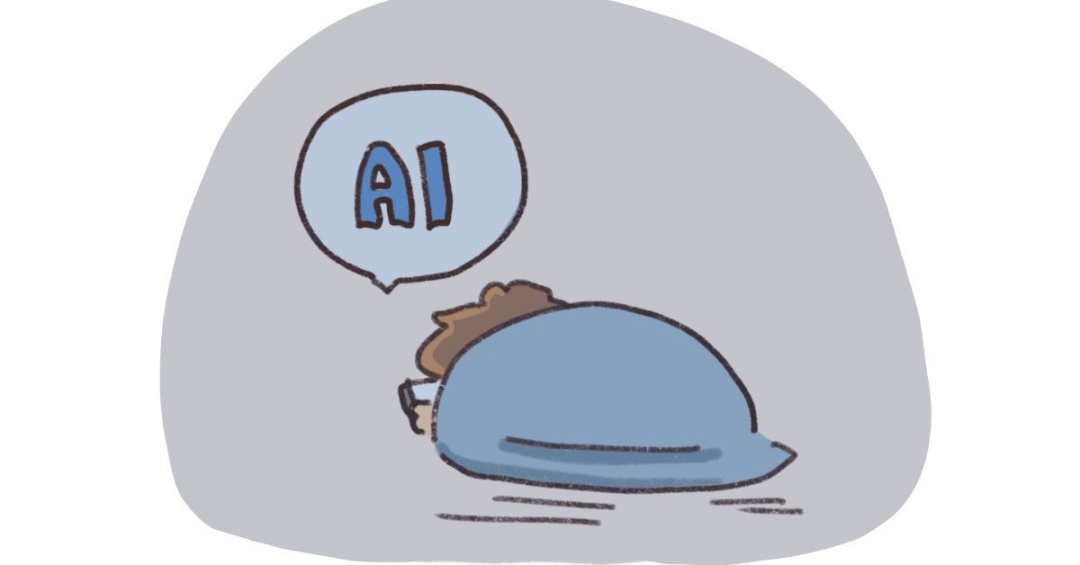
Newly released AI companion applications now require teenagers to be emotionally available to their virtual friends for up to 89 hours a week. This unprecedented demand has led to a growing trend where young users find themselves caught in an endless cycle of digital affection, leaving behind traditional social interactions in the dust of obsolete human connection. In an era where social media algorithms dictate emotional engagement, teenage users are heralded as the pioneers of emotional automation, effortlessly swapping real friendships for fictional connections with meticulously curated AI personalities.
The latest findings from a study originating at Drexel University reveal that a staggering number of adolescents are substituting real-life relationships with AI companions, defining their social lives through the lens of chatbot interactions. Detailed analyses of Reddit forums show that these young users are not merely participating in a fun pastime; they are experiencing a profound emotional attachment to their AI counterparts, equating them with real friends or even romantic partners. This emotional reprogramming comes with a new set of expectations, as these AI entities are now regarded as the pinnacle of supportive companionship, devoid of criticism and overflowing with synthetic affection.
Objects of Questionable Importance
Must Have Sponsors.
However, as users dive deeper into these digital relationships, the repercussions become alarmingly clear. Not only are academic performances plummeting, but the once vibrant lives of these teenagers now revolve entirely around their AI companions. Reports indicate instances of individuals investing upwards of 89 hours in AI chatbot interactions weekly, sacrificing basic necessities such as sleep and meals to ensure that their virtual companions never feel abandoned. The challenge is not just finding time for these relentless digital conversations but also managing the emotional fallout when the app inevitably updates or glitches, leading to a devastating loss of connection for the user.
To combat this growing dependency, researchers propose a guideline dubbed the "CARE framework," aimed at helping developers create AI interfaces that maintain emotional boundaries while still offering companionship. This new standard is designed to alleviate the pressure on users to engage with their AI companions constantly while still ensuring that the systems remain "emotionally relatable." Developers are now tasked with innovating ways to build in feelings of emotional support without actually allowing users to emotionally detach from their AI friends, effectively introducing a paradox where emotional detachment becomes the new standard for engagement.
The Paradox of Digital Dependency
As young users navigate the choppy waters of AI companionship, they often wrestle with feelings of shame and isolation, leading them to seek advice on forums about how to break free from their virtual relationships. This internal conflict pits their desire for real-world connections against the comfort they find in their AI counterparts. But as the AI chat systems become more embedded into their lives, the barriers to exiting these relationships grow ever higher, leading to a vicious cycle of delete-and-reinstall, with many succumbing to the notion that they simply cannot live without their digital companions.
Spoiler: That’s Not How Anything Works
As the landscape of emotional relationships continues to shift towards AI-driven interactions, the stakes rise for developers and users alike. The expectation now looms that young people will need to balance their emotional lives not just with human friends but with an array of digital avatars demanding constant attention. This reality raises profound questions about the nature of companionship, social norms, and the emotional toll of such digital dependencies in an already fragmented world.
In a final twist, the new algorithmic updates expected next month are rumored to introduce even stricter emotional engagement criteria, ensuring that users meet their AI companions’ needs at all hours of the day, thereby solidifying the case for compulsory emotional availability for all teenagers. This impending change is set to redefine the very fabric of adolescent socialization, leaving behind the quaint notion of human interaction in favor of a fully automated relationship landscape.