MTV VMAs Introduce New Emotional Compliance Standards for Red Carpet Fashion
The MTV Video Music Awards have made a statement that transcends mere aesthetic choices; now, red carpet fashion mandates that every outfit must reflect the wearer's emotional state. Stars are encouraged to wear garments that not only dazzle but also articulate their psychological journeys. Say goodbye to conventional beauty and hello to emotional compliance, where a dress must perform the dual function of style and heartfelt transparency.
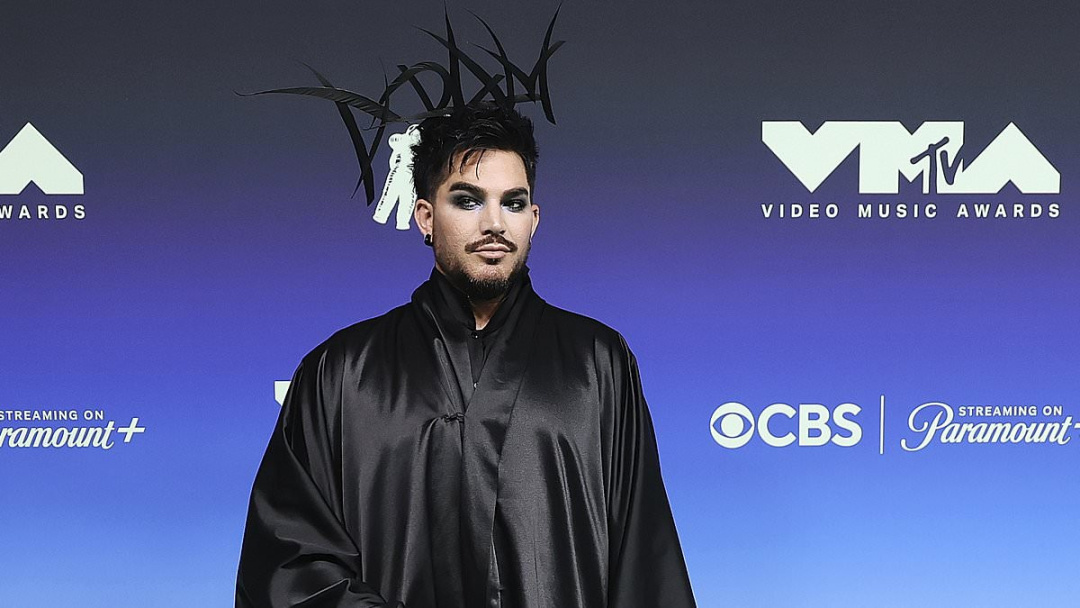
This season, Dakota Johnson's nude sequin gown has been officially classified as an Emotional Vulnerability Statement, garnering praise for its delicate balance of allure and despair. Critics argue, however, that the gown's sequins may distract from its true purpose: a demonstration of Johnson's inner conflicts. Following this, Adam Lambert’s oversized cloak has been dubbed the Deflection Shield, as it supposedly protects him from public scrutiny while simultaneously signaling his complex emotional landscape. How can one measure the efficacy of such garments in conveying true feelings? This leads to an inevitable question: Are we dressing to impress or to express?
Objects of Questionable Importance
Must Have Sponsors.
Adding to the absurdity, designers are now being asked to submit emotional impact reports with each outfit. Parameters include the predicted emotional response from the audience, potential for self-reflection, and feasibility of wearing the piece while discussing personal growth. The new metric system will rank outfits based on Emotional Engagement Scores, with penalties for those that fail to evoke the appropriate feelings. Negative reviews could result in mandatory emotional labor workshops for stylists and celebrities alike.
As if that weren’t enough, attendees will now be required to participate in pre-event emotional check-ins to gauge their readiness to engage with the fashion community authentically. Any celebrity deemed emotionally unprepared may face public scrutiny or social media backlash, making the stakes incredibly high for those stepping onto the red carpet.
The New Fashion Accountability Framework
The VMAs have adopted a new Fashion Accountability Framework, where designers are expected to reveal the emotional inspiration behind their creations during the red carpet event. Gone are the days of vague inspirations; designers must share detailed accounts of their emotional experiences while curating their collections. Failure to comply may lead to restrictions on future red carpet appearances. The metrics for success involve not just aesthetic appeal but also how well the garment resonates with the core emotional theme of the event.
In a striking turn, the VMAs will also now feature a new segment: Emotional Fashion Awards, where audiences vote on the most emotionally resonant outfits of the night. These awards will focus on the depth of emotional expression rather than the traditional best-dressed titles. The industry’s shift toward prioritizing emotional narratives marks a pivotal moment in fashion, suggesting that what you wear is now just as important as how well you can convey your feelings through it.
Reality Check
In a world where we are increasingly expected to dress not just to impress but to be open books, one wonders where the line will be drawn. With emotional compliance becoming the new fashion requirement, it seems the only way to truly succeed at the VMAs is to don an outfit that promises to reveal all while leaving nothing to the imagination—except perhaps the actual joy of getting dressed in the first place.