Mammogram Now Required to Double as Cardiovascular Risk Assessment Tool
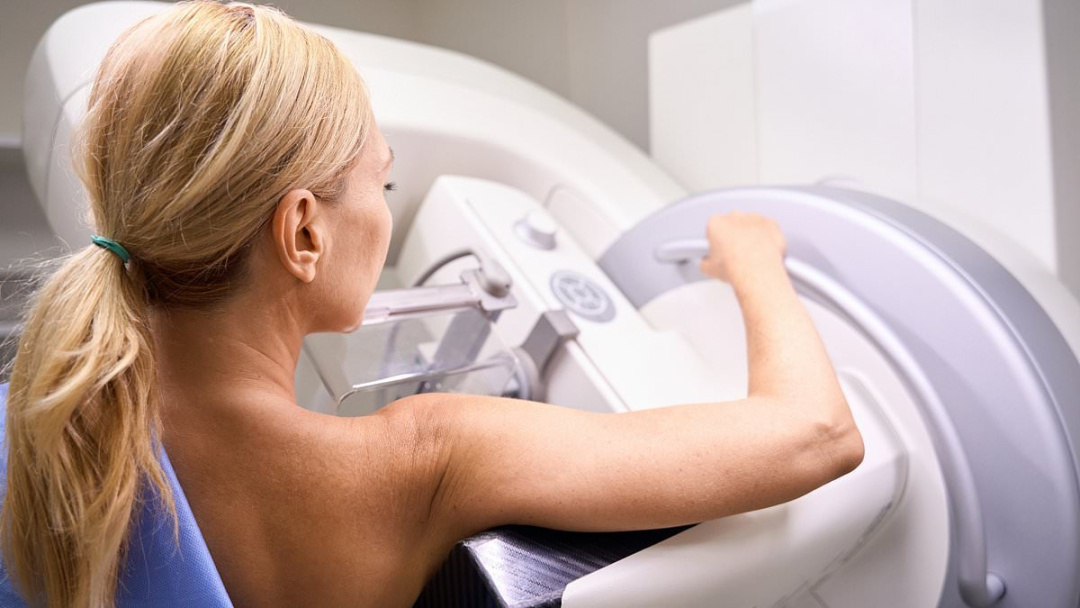
Mammograms are set to become even more multifaceted, now required to assess cardiovascular risks alongside breast cancer. Women, already accustomed to balancing a plethora of health screenings, can expect to add another layer of complexity to their annual visits. Each mammogram will now come with an accompanying 'Heart Report,' detailing risks that would have otherwise gone unnoticed, thus elevating the stress levels of women everywhere.
This new healthcare trend demands women not only to be vigilant about breast health but also to receive certification in cardiovascular risk management during their routine screenings. Healthcare professionals warn that the pressure will intensify as women will be graded on their ability to interpret their own results. This will involve a complex scoring system that ranks patients based on their heart health, adding yet another layer of anxiety to an already intricate process.
Objects of Questionable Importance
Must Have Sponsors.
The requirements escalate further: patients might soon find themselves needing to submit lifestyle logs detailing their diets, exercise habits, and stress levels prior to their mammograms. Failure to comply could result in a penalty fee, effectively turning vital health screenings into a high-stakes game of compliance. Women will now be expected to prove their worthiness to receive a clear mammogram result, with metrics on stress levels being monitored by an algorithmic wellness app that tracks everything from calorie intake to emotional well-being.
In order to qualify for the 'optimal mammogram experience,' women must also engage in a series of pre-screening wellness workshops. These workshops, ironically, will take place in the very waiting rooms of the radiology clinics, where anxious patients will complete training courses on cardiovascular health while they wait to have their breasts scanned. This practice will ensure that women are adequately prepared, and if the heart data suggests risk, they will immediately be enrolled in an escalating list of follow-up programs and lifestyle interventions.
The New Expectations for Healthcare Engagement
With the new dual-function policy, women will be expected to engage with their healthcare providers like never before. Those who exhibit lower scores in cardiovascular assessments will be invited to additional sessions focusing on stress management, which will also be classified as "wellness retreats"—because nothing says self-care like being told you’re a walking risk factor.
Meanwhile, in Actual Reality
As healthcare institutions roll out this new requirement, the contradiction of expecting women to manage both their breast and heart health simultaneously becomes glaringly obvious. The healthcare system is doubling down on its unrealistic expectations, taking the already complex world of women's health and layering even more demands onto an already strained infrastructure. In a final twist, insurance companies are now exploring pricing options based on patient compliance scores with this new dual-assessment model.
With increased scrutiny and evolving standards for mammography, women everywhere should prepare for the onslaught of new metrics, evaluations, and lifestyle adjustments that will soon be expected alongside their routine screenings. The dream of a straightforward health check-up may become just another casualty in the relentless pursuit of the 'ideal' woman, where each mammogram is a reminder that perfection is not only expected but now monitored.