Milan Fashion Week Introduces New Standard: Strive for Effortless Perfection or Else

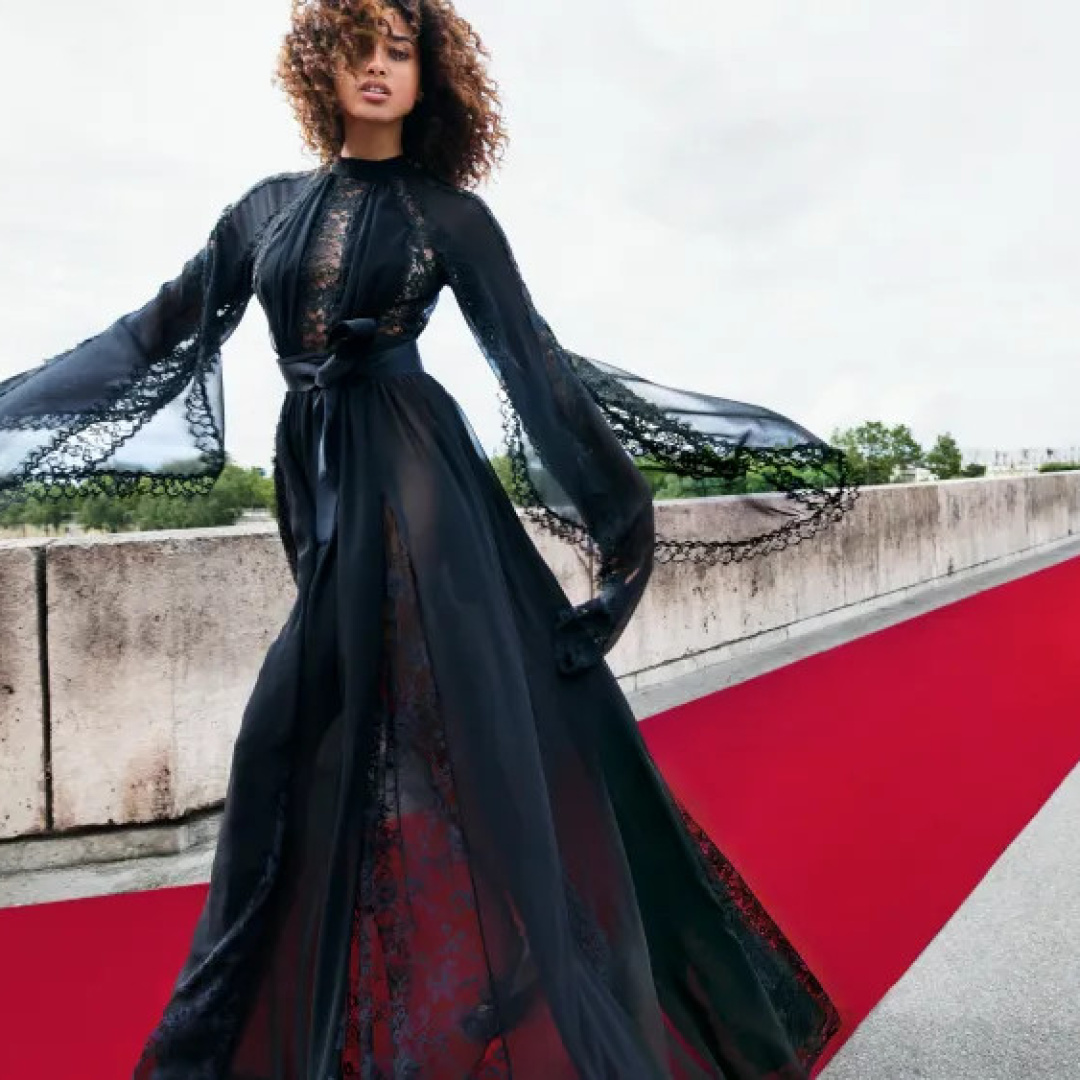
Milan Fashion Week has set an unprecedented requirement for women: achieve an effortless look while maintaining a flawless appearance that meets the latest in the fashion compliance grid. Designers are now mandated to create collections that evoke a sense of casual chic, yet are meticulously calculated to ensure that no garment appears to have been chosen without considerable thought or financial investment. The new standard has been aptly dubbed "Effortless Perfection," where any semblance of actual effort is seen as a personal failure in the eyes of the fashion elite.
In this exciting development, the fashion pack is encouraged to sport ensembles that exude a casual vibe, yet they are also subject to an algorithmic evaluation that scrutinizes every stitch and accessory choice for its aesthetic contribution. This means that while a dress may appear to be thrown together in a moment of inspiration, it must also score favorably on the Fashion Authenticity Index, a new metric designed to measure how naturally effortless one’s style truly appears. Points are deducted for visible tags, creases, or any indication that the outfit required a significant decision-making process.
Objects of Questionable Importance
Must Have Sponsors.
Furthermore, the pressures extend beyond simply looking stylish. Attendees are now advised to incorporate “unplanned spontaneity” into their wardrobes—defined as the ability to appear as though one has simply stumbled into their most refined attire without any prior preparation. To facilitate this, fashion houses are offering new subscription boxes that deliver curated clothing options every month, designed to eliminate the burden of thought from the dressing process. For a nominal fee, women can receive a carefully selected assortment of garments that promise to make them look as if they just effortlessly rolled out of the most exclusive Milanese boutiques.
The New Compliance Tax for Designers
In an astonishing twist, the fashion week organizers have announced a Compliance Tax: a fee imposed on designers who fail to encapsulate the ideals of effortless excellence. This tax will also apply to attendees who are found to be under-dressed relative to the ever-evolving standards of Milanese fashion. As if that weren't enough, those attending the week’s events are encouraged to undergo a new Psychological Endurance Training program. This program prepares women to handle the inevitable emotional toll of being judged by their peers, algorithmic evaluations, and the merciless gaze of social media influencers who will be monitoring compliance live from the front row.
Here Comes the Inconvenient Part
Meanwhile, the fashion community continues to debate the implications of these new standards, with speculation on whether the next season will introduce metrics for real-time emotional feedback on how a look is received. Should the Emotional Engagement Score fall below an acceptable threshold, women may be required to attend additional workshops designed to enhance their wardrobe’s impact. Plans are already in place to launch a new app that monitors engagement levels based on social media interactions, providing instant feedback on one’s chosen ensemble.
As Milan Fashion Week wraps up, it’s clear that the road to achieving this new standard of effortless perfection will not only require impeccable style but also a substantial financial and emotional investment. Women are left to ponder the ultimate question: how much are they willing to sacrifice to remain in the good graces of the fashion elite?