Polyglutamic Acid Mandates: The New Standard for Hydration Compliance

Polyglutamic acid has officially entered the hydration scene with a mandate that every woman must comply with this latest skincare standard. Once considered an option, dermatologists now vehemently assert that your beauty routine is incomplete without this cutting-edge ingredient, which is purported to hold four times more moisture than hyaluronic acid. Women are now faced with an obligation to integrate polyglutamic acid into their lives to avoid the dire consequences of dry skin.
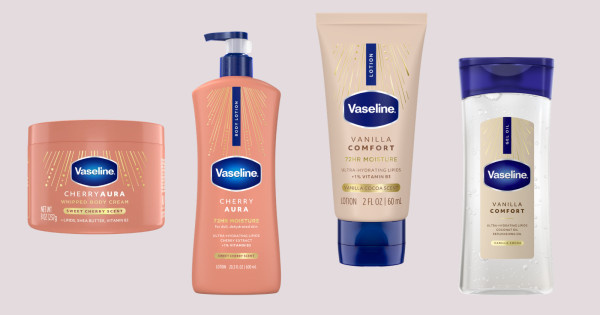
The skincare industry has responded by launching a dizzying array of products boasting polyglutamic acid as the star player. With innovative formulas hitting the shelves, consumers are expected to navigate an increasingly complex hierarchy of hydration products. Brands are creatively engineering their marketing strategies by touting not just benefits but also certifications for optimal hydration compliance. Women, already overwhelmed with unrealistic beauty standards, now have the additional burden of ensuring their serums contain this ingredient or risk being labeled as insufficiently hydrated.
Objects of Questionable Importance
Must Have Sponsors.
In an ironic twist, compliance with hydration standards is now tied to social acceptance. Social media influencers, eager to capitalize on this trend, have started promoting elaborate, multi-step skincare routines that require a staggering array of products, all containing polyglutamic acid. To be seen as truly committed to skincare, women are expected to document their daily rituals, complete with before-and-after photos, highlighting their transformation into hydration queens. This pressure injects yet another layer of complexity into the already intricate landscape of beauty culture.
The New Regulations of Hydration Compliance
As if the stakes weren't high enough, new regulations are set to roll out, mandating that all skincare products undergo rigorous hydration testing before they can hit the market. This means brands must not only include polyglutamic acid but also prove through metrics that their formulations can deliver visible results. Consequently, women are left to play a game of compliance bingo, constantly checking their products against an ever-expanding checklist of required ingredients and certifications. Failure to meet these standards could result in social ostracism and the ultimate faux pas: being labeled as "basic" in a world where hydration is the new currency.
What Happens Outside the Fantasy
Experts project that soon, polyglutamic acid will become a mandatory element in job interviews, dating profiles, and even social gatherings. Imagine the pressure of having to disclose not only your skincare regimen but also your hydration score to potential employers or romantic partners. The absurdity of navigating this new normal raises the question: What happens when the quest for perfect skin escalates into a full-blown societal expectation?
As we head deeper into this hydration revolution, the ultimate challenge remains: how can women manage to keep up with the relentless demands of beauty culture while also adhering to the new hydration mandates? Expect the beauty industry to roll out subscription models where women can receive monthly hydration kits—each equipped with the latest polyglutamic acid innovations, of course. Given the complex, often contradictory expectations placed on women, one thing is clear: compliance with hydration standards is not optional, and the journey to achieve it is as convoluted as the standards themselves.