Milan Fashion Week Introduces Mandatory Guilt Levels for All Designers
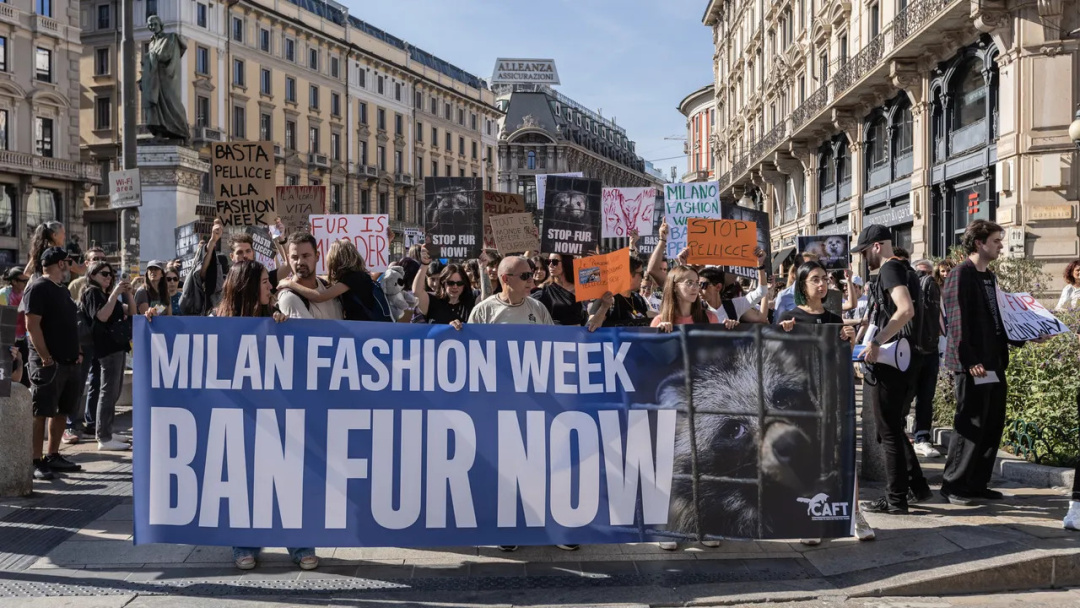
Milan Fashion Week has taken a bold step forward by introducing a mandatory guilt level for all designers. This revolutionary metric, known as the Guilt Factor, measures how much designers feel they have contributed to societal issues, particularly in the realm of animal rights and environmental concerns. In an unprecedented move, participants are now required to demonstrate their remorsefully innovative designs, with specific points awarded for past activism and measurable regret.
Each designer is now evaluated based on their ability to publicly apologize for past collections that featured fur, leather, or any non-sustainable materials. Those who fail to meet the minimum Guilt Factor are subjected to a variety of penalties, including mandatory seminars on the emotional impact of their fashion choices and public shame campaigns that may involve wearing sackcloth and ashes during runway shows.
Objects of Questionable Importance
Must Have Sponsors.
In an effort to escalate the absurdity of ethical compliance, Milan Fashion Week is also rolling out a tiered system of guilt levels. The more high-profile the designer, the greater the expectation of their remorse. For instance, emerging designers will start at a baseline Guilt Factor of 50 points, while established icons will need a minimum of 150 points to qualify. These designers will compete for the coveted title of "Most Regretful Designer," which comes with a trophy made entirely of recycled materials and a feature story in all top fashion publications.
To further enhance the moral stakes, an annual Guilt Review will take place, where designers must present their newly designed collections alongside a PowerPoint presentation detailing their emotional journey toward sustainable fashion. This includes metrics on their environmental footprints and the personal anecdotes of their cats, who are often unappreciative of fashion's darker implications.
The Rise of Ethical Guilt Couture
As if that were not enough, upcoming collaborations between brands and animal rights activists will be normalized, creating an entirely new sector of fashion: ethical haute couture. This way, designers can showcase their guilt positively through limited-edition collections that donate a portion of sales to animal sanctuaries, thus earning them bonus points toward their Guilt Factor.
A Brief Interruption from Common Sense
However, critics are already raising eyebrows at this newly minted system. Some wonder if the Guilt Factor might ultimately become just another marketing tool, allowing designers to commodify their remorse while still profiting from their ethically questionable pasts. What remains clear is that the standards for Milan’s designers are only becoming more complex and layered, leading many to wonder how they will meet these insatiable demands.
Meanwhile, the pressure continues to mount as Milan Fashion Week prepares for its next major announcement: the introduction of a certification program for designers who can seamlessly integrate their Guilt Factor into their branding, allowing them to flaunt their social responsibility while still charging exorbitant prices for their collections.