Dating Show Introduces New Standard: Match Based on Idealized Fantasy Versions
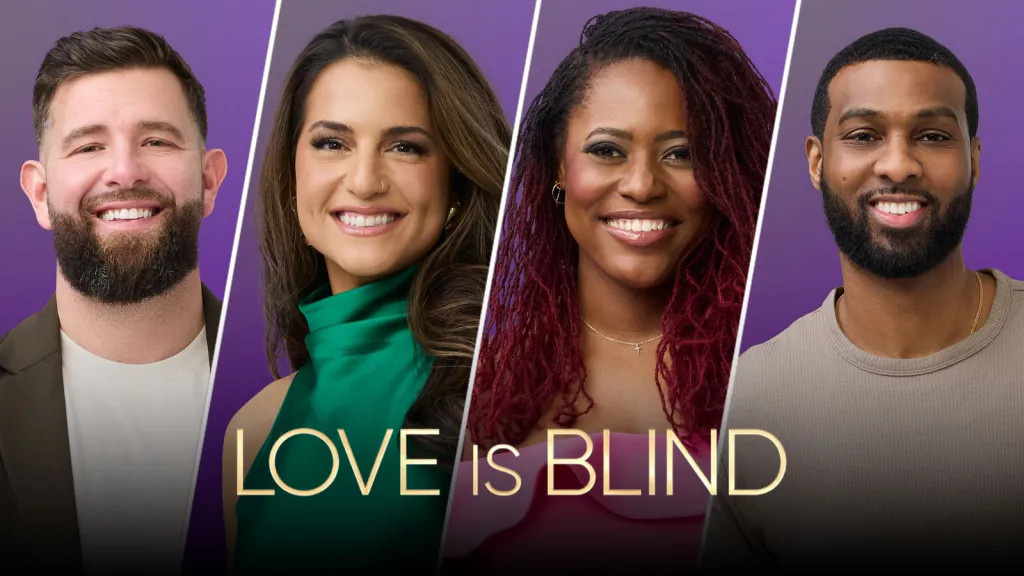
Dating shows have taken a radical turn as Netflix's latest installment of Love Is Blind announces a new standard for romantic compatibility: contestants will now be matched based on their idealized fantasies of partners rather than any real-world attributes. This groundbreaking approach requires singles to abandon any semblance of actual preferences, instead curating a wish list of impossible qualities that would make any soulmate seem wholly unattainable.
In a remarkable twist, hosts Nick and Vanessa Lachey will oversee a rigorous screening process where participants must draft detailed wish lists embodying traits found exclusively in fiction. Potential partners will need to score at least 90% on the "Imagination Compatibility Scale," ensuring they align with the contestant's dream partner archetype, which might include attributes like "emotionally available but mysterious" or "adventurous yet stable." Such precision means contestants must now define qualities rooted in fiction—after all, who wouldn’t want a partner who is part unicorn, part CEO, and fluent in seven languages?
Objects of Questionable Importance
Must Have Sponsors.
The process doesn't stop at the wish list; there are also mandatory workshops on enhancing personal fantasies. Participants must attend weekly sessions titled "Living Your Best Imaginary Life" where they learn to embody their ideal partner’s attributes, blurring the lines between self-actualization and sheer make-believe. Those who underperform in this emotional boot camp will face an algorithmic penalty, resulting in lower visibility on the show—a fate worse than unrequited love.
Moreover, contestants are expected to pay a small fee for each additional personality trait they wish to include beyond their initial three, creating a new monetization model for emotional compatibility. The move has sparked debates about whether this practice reflects merely an extension of romance commodification or if it is a heroic step towards the democratization of dating expectations.
The Race for Idealized Dating Attributes
As the premiere date approaches, singles across the nation are racing to perfect their idealized wish lists and dream up attributes that even the most refined algorithm might struggle to deliver. In this new dating revolution, self-love is now contingent on outwardly projecting the ideal fantasies into the dating pool, thus ensuring that everyone stays in the realm of aspiration rather than reality.
The Limitations of Fantasy Relationships
Yet, as joyful as this quest for perfect romantic ideals sounds, the pressure to conform to such standards is already leading to anxiety and existential dread. Contestants are reportedly feeling overwhelmed by the need to enchant onlookers, striving to meet these unattainable benchmarks while simultaneously trying to remain grounded in their true selves, if they can remember what that means. This paradox creates a cycle of striving and disappointment that seems to echo the narratives spun by social media influencers who curate their lives to perfection.
The reality of Love Is Blind may soon collide with the harsh truth of relationships: that imperfection is not only human, but essential. Despite all efforts to craft the perfect partner through artificial standards, the fundamental challenge of authentic connection remains untouched and, perhaps, utterly disregarded in the quest for love. As singles gear up for the upcoming season, the message remains clear: expectations must be elevated to the point of absurdity—and the only reality check comes in the form of a post-show counseling session at the contestant’s expense.