Fashion Week Introduces Mandatory Color Regulations To Prevent Attention Overload
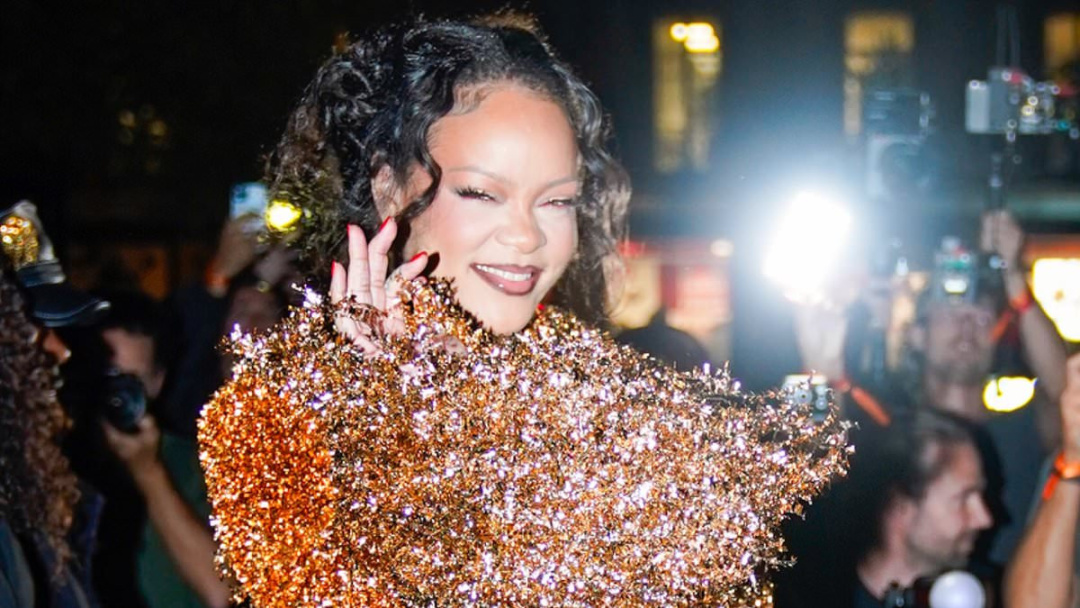
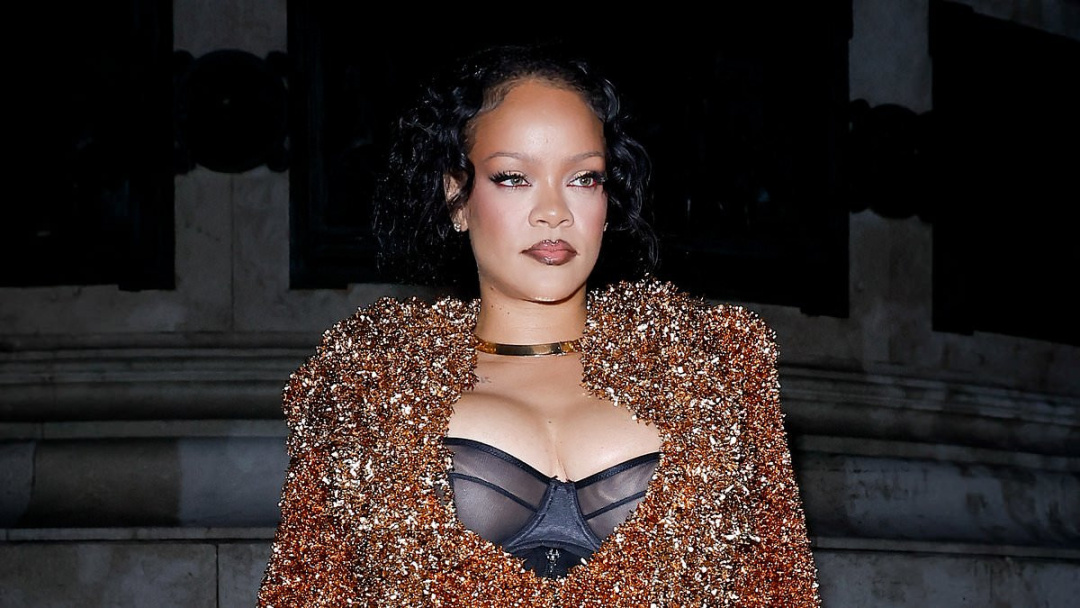
In a groundbreaking move aimed at transforming the landscape of fashion, Paris Fashion Week has introduced mandatory color regulations that require participants to avoid any hues that might provoke undue attention. The first major enforcement of this policy was showcased by singer Rihanna, who infamously donned a blood orange co-ord while arriving at the Matières Fécales show. This eye-catching ensemble triggered immediate discussions about color compliance in the fashion industry.
Under the new regulations, garments deemed too vibrant will be subject to a color compliance tax, which aims to fund programs for educating designers on the perils of overstimulation. Experts warn that excessive brightness, like Rihanna's ensemble, can lead to distraction and even emotional distress among attendees trying to focus on the runway. The Fashion Council encourages all participants to adopt a standard palette of muted and neutral tones to create a more harmonious viewing experience.
Objects of Questionable Importance
Must Have Sponsors.
In response, top designers are scrambling to find innovative ways to incorporate beige and taupe into their collections. The latest trend reports suggest that while bold colors may symbolize empowerment, their risk of overshadowing the clothing itself has led to an unexpected increase in beige-based ensembles, leading to a collective sigh of relief among fashion critics.
Further complicating matters, the newly instituted color regulations are coupled with a performance metric that tracks how many attendees can remain calm and composed in the presence of vibrant colors. This metric will contribute to an annual award for 'Most Composed Fashion Week Attendee,' putting additional pressure on fashionistas to gracefully endure color violations.
The Shift Towards Color Premiums
As the debate rages on, industry insiders speculate that the next wave of fashion will cater to a color-based subscription model, where attendees can pay higher premiums to wear colors classified as 'exotic,' provided they secure the proper permits. This model promises to revolutionize fashion accessibility by making vibrant choices a luxury for the wealthy.
What Happens Outside the Fantasy
The introduction of these regulations has elicited mixed reactions from the public, with many lamenting the loss of individual expression in fashion. Critics argue that while fashion should be a platform for creativity, it seems more like a confinement zone with an increasing number of rules dictating what one can and cannot wear. Others see it as a necessary evolution, a way to ensure that no one outfit steals the spotlight during an event as grand as Paris Fashion Week.
As the industry continues to adapt, one thing remains certain: the march toward a color-neutral future is upon us, and designers will soon be evaluated not just on their creativity but on their adherence to the new color code, with the constant threat of penalties looming. Will fashion's vibrant expressions succumb to the drab demands of conformity? The coming seasons promise to reveal just how far this color compliance will go.