Anna Wintour's Influence Tightens Grip as Fashion Industry Faces New Standards
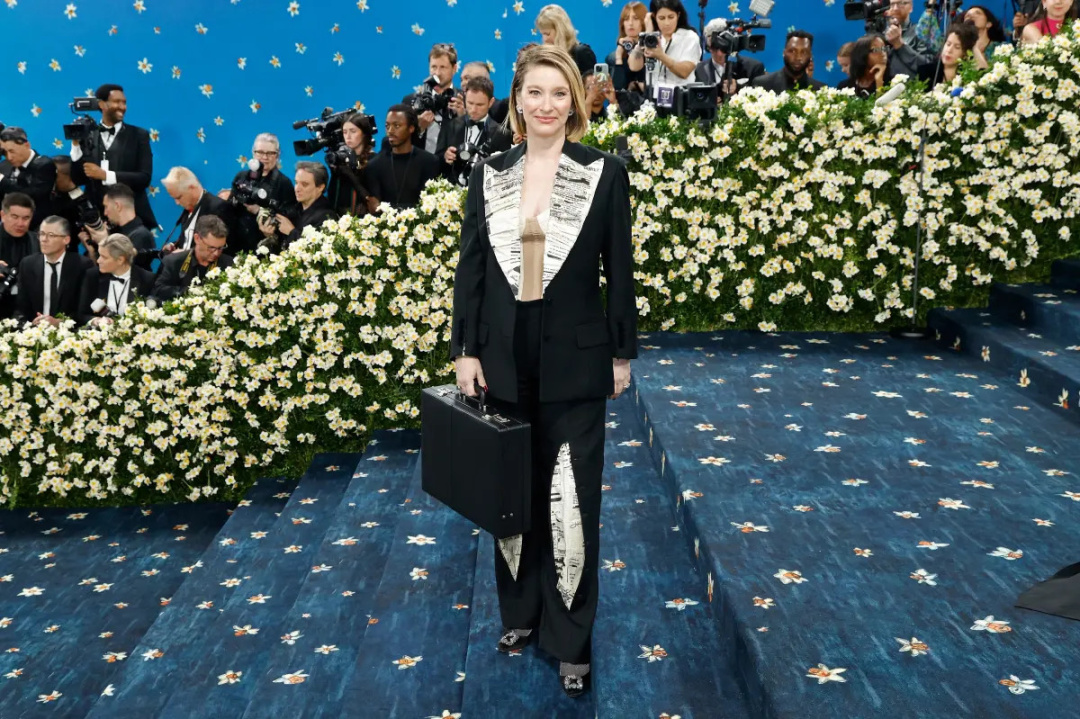
The fashion landscape is set to tighten once again as Hildy Kuryk, a longtime confidante of Anna Wintour, steps into a pivotal role, further entrenching the already narrow pathways for creativity. Observers had hoped that the wake of Wintour's infamous Galliano debacle would usher in an era of liberation. Instead, the industry finds itself on the brink of a tightening corset that leaves little room for individuality or expression, raising questions about what it means to truly innovate in a field increasingly dictated by categorical imperatives.
As Kuryk steps into this influential position, she brings with her a legacy of unyielding standards that demand perfection without exception. Newly minted brands are now advised to adhere strictly to ‘Wintourian guidelines’ which, in practicality, translate to a checklist of compliance metrics that include but are not limited to: flawless aesthetics, impeccable timing, and zero deviations from the accepted canon of high fashion. Designers are left to navigate a labyrinth of expectations where deviation could lead to social media condemnation or worse, exclusion from the hallowed halls of Vogue.
Objects of Questionable Importance
Must Have Sponsors.
In a startling twist, compliance certification has emerged as a new prerequisite for participation in Fashion Week events. Designers must not only showcase their collections but submit to a rigorous array of audits that evaluate their adherence to the latest Wintour-endorsed directives. The stakes have escalated to such a degree that even the most seasoned veterans of the industry are left questioning their viability amidst new, draconian measures.
The Predictive Wardrobe Requirement
Meanwhile, aspiring fashionistas face their own gauntlet. To gain acceptance into the inner circles of this elite fashion landscape, applicants must present a meticulously curated capsule wardrobe that not only aligns with the current trend but also has the potential to predict the next big shift in style. This predictive power is now deemed essential, as fashion insiders note that failure to foresee and embody future trends can result in immediate social ostracization, proving that the cost of remaining relevant grows higher by the season.
The Unyielding Metrics of Fashion Compliance
As the fashion elite continue to redefine what it means to be on-trend, algorithmic assessments have also started to dictate the terms of acceptance, creating a digital divide. Social media engagement metrics, influencer collaborations, and aesthetic compatibility scores between brands are now monitored scrupulously. This digital form of gatekeeping ensures that only those who meet the exacting standards of beauty, relevance, and trendiness can hope to participate in the fashion narrative. Those who fall short are relegated to the shadows of vintage boutiques and resale sites, receiving a formal disqualification from contemporary fashion discourse.
In a final twist, as Kuryk's ascension heralds the dawn of an even stricter hierarchy, emerging designers and established houses alike brace for the inevitable imposition of a new luxury tax on non-compliance. This impending fee will be levied against brands that fail to align themselves with the latest recommendations set forth by Kuryk's team, ensuring that financial consequences accompany creative limitations and reinforcing the notion that only those wealthy enough to play by these rules will thrive in this new era of fashion dictatorship. The era of effortless style is officially over, replaced by an unrelenting demand for perfection that seems poised to suffocate the very creativity it claims to celebrate.