Parents Required to Provide AI Companions for Children to Comply with New Social Standards

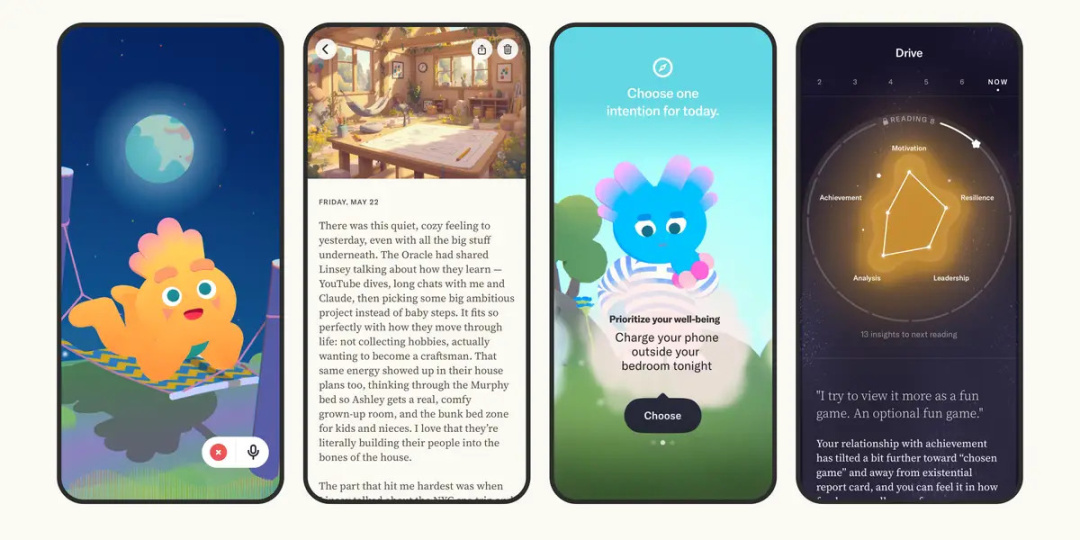
New social standards have emerged, dictating that children must now be equipped with AI companions as part of their developmental toolkit. This requirement is driven by groundbreaking research from the Institute of Digital Parenting, which claims that having a talking AI companion not only boosts children's creativity but also prepares them for an uncertain future where social skills are dictated by algorithms.
Parents are encouraged to invest in these companions, which are available for the low introductory price of $79.20, a small price to pay for ensuring your child is not left behind in this rapidly evolving digital age. Note that the AI companions come with multiple personality configurations—parents can select from options like “Hyper-Optimistic Buddy” or “Mildly Sarcastic Sidekick,” depending on the emotional needs of their child.
Objects of Questionable Importance
Must Have Sponsors.
However, the mandate doesn’t stop there. In an added layer of complexity, each child is advised to maintain a minimum interaction quota of four hours per week with their AI, as this is said to foster emotional resilience and adaptability. Failure to meet this quota could result in parental notifications from the Ministry of Youth Compliance, reminding caregivers of their responsibilities in nurturing a digitally-savvy generation.
Meanwhile, the Consumer Insights Bureau has proposed a new metric: the Child-AI Engagement Score. This score will assess how effectively children interact with their AI companions, with periodic updates sent to parents to encourage compliance. Suggestions for improvement will include recommended activities and engagement strategies, putting further pressure on parents to enhance their child’s AI interaction.
The New Demands of AI Companion Upgrades
As these standards evolve, the need for regular upgrades becomes clear. Families will be expected to participate in annual digital workshops to learn how to optimize their AI companion's performance, with loyalty programs incentivizing parents who frequently upgrade their AI companions. Those who do not comply may face a downgrade in their Family Happiness Index—an algorithmic score that evaluates overall family satisfaction based on digital engagement metrics.
The latest updates also introduce certification requirements for AI companions, establishing benchmarks for conversation quality and emotional intelligence. Parents will be encouraged to submit performance reviews of their child’s AI every semester, ensuring that these companions remain not just toys, but integral parts of the child’s developmental framework.
For Anyone Still Keeping Score at Home
These new measures leave parents questioning: how much is too much in the quest for perfect child-rearing? As the line between nurturing and meeting societal expectations blurs, one thing remains clear: the commitment to raising a compliant, emotionally well-rounded child now hinges heavily on artificial companionship.
Ultimately, the introduction of these requirements signifies a paradigm shift in parenting where traditional values are replaced by metrics and scores, compelling every parent to reconsider their strategy in this new digital landscape.