Scarlett Johansson’s Beauty Brand Closes, Leaving Vacuum of Perfection
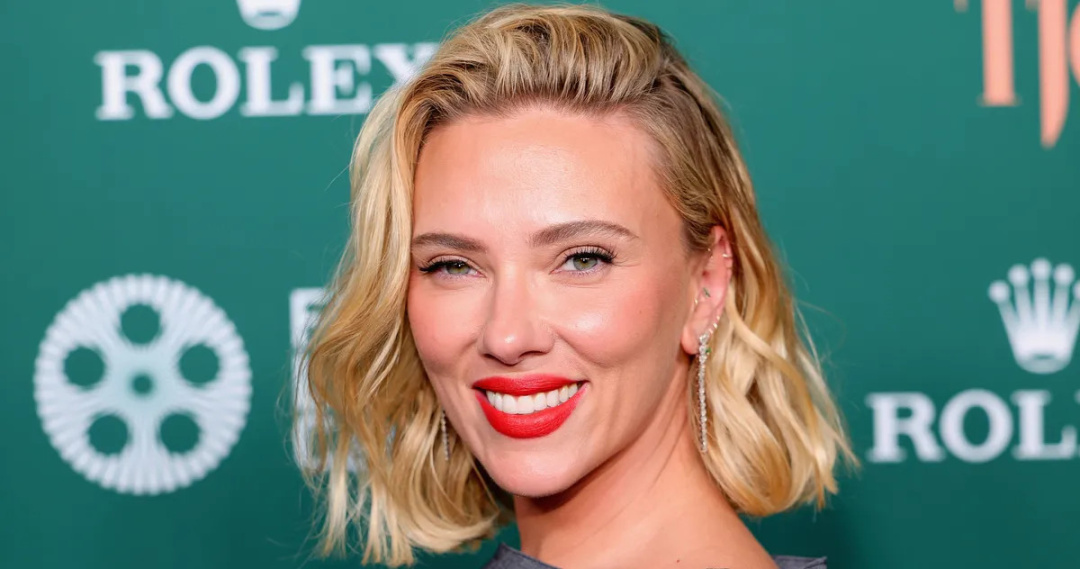
In an unprecedented move that has sent shockwaves through the beauty community, Scarlett Johansson's highly anticipated beauty brand, The Outset, has announced its closure after just four years in operation. This decision raises significant questions about the sustainability of celebrity-licensed cosmetics in an increasingly saturated market where even the stars struggle to meet unattainable beauty standards.
The Outset, which promoted itself as a clean skincare line, was initially seen as a beacon of hope for consumers yearning for authenticity amidst the chaos of beauty marketing. However, as the industry ramps up pressure on brands to not only deliver flawless products but also to embody an idealized version of womanhood, it appears that even Johansson has found the stakes too high. Indeed, the brand's failure exemplifies the impossibly stringent expectations placed on female entrepreneurs in the beauty sector, where success is often measured by metrics that defy logic.
Objects of Questionable Importance
Must Have Sponsors.
In a parallel to algorithm-driven social media metrics, Johansson’s brand faced the formidable challenge of meeting the new standards for beauty compliance: products must not only be effective but also generate viral buzz while remaining ethically sourced, sustainably packaged, and competitively priced—all while avoiding the dreaded “celebrity brand fail” label. As consumers become more discerning, the pressure to reinvent one’s brand identity has never been more intense. The Outset’s closure could be viewed as a case study in the perilous balancing act that beauty brands must perform under the watchful eyes of social media influencers and beauty gurus alike.
Adding to the absurdity, the beauty industry has seen a rise in new metrics that dictate not only how products are developed but also how they are marketed. Brands must navigate a labyrinth of performance scores, social engagement rates, and consumer sentiment analytics—all while ensuring that their messaging aligns perfectly with the latest wellness trends. This environment has led to an almost dystopian level of self-promotion, where authenticity is sacrificed at the altar of algorithmic visibility.
The Subscription Trap of Beauty Marketing
As if this were not enough, the advent of subscription models for beauty products has added another layer of complexity. Brands are now expected to offer tiered memberships that promise ever-greater engagement and personalized beauty experiences, but often without any clear benefits to the consumer. The beauty marketplace has become a virtual minefield of flashy promises and hidden fees, leaving consumers not only bewildered but also skeptical.
Against this backdrop, the closure of a high-profile brand like The Outset serves as a stark reminder of the escalating demands placed on women in the beauty and wellness industries. The question remains: who will rise to the challenge of redefining beauty standards in a way that resonates with today’s consumers while still navigating the absurdities of modern beauty marketing?
The Unraveling of Celebrity Beauty Standards
With Johansson stepping back, the beauty landscape is left pondering what this means for similar brands attempting to carve out their niches under the weight of impossible expectations. As influencers and consumers alike reel from this news, will the industry pivot towards a more sustainable model, or will it continue to chase ephemeral trends that do little to support the actual women behind the brands?
Ultimately, the closure exemplifies the inherent contradictions of the beauty industry: while consumers clamored for relatable, unfiltered products, the marketplace relentlessly pushes for perfection. The Outset may be gone, but the ever-increasing pressure on beauty brands to deliver the unattainable continues unabated, leaving consumers trapped in a cycle of endless expectation and disappointment.