Timeless Fashion Standards for Women Over 50 Require Emotional Resilience
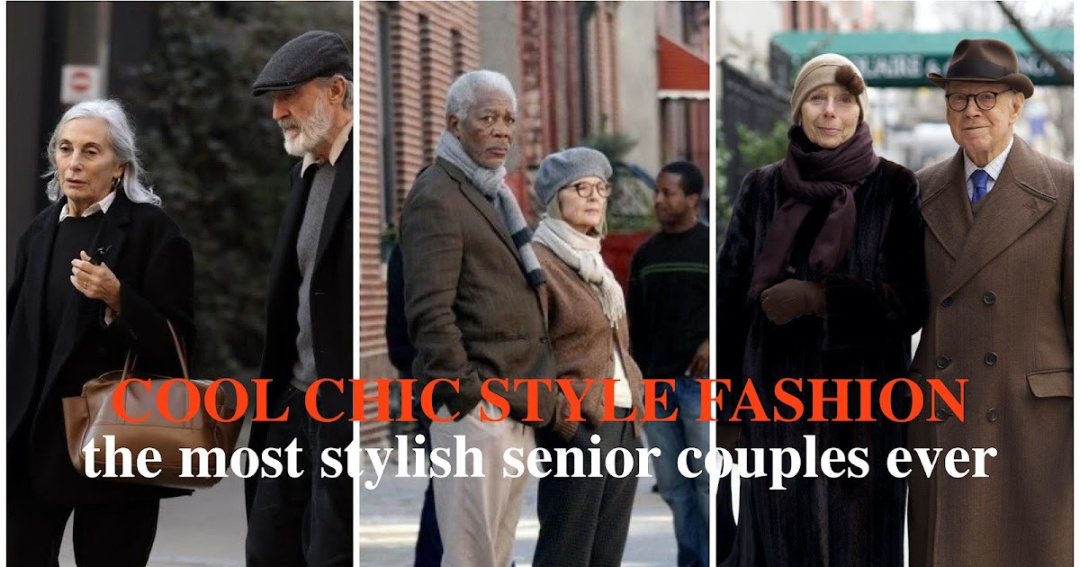
Fashion experts have established that the ultimate elegance for women over 50 lies in a meticulous balancing act of self-expression and the unyielding pressures of contemporary aesthetics. Women are now faced with the Herculean task of dressing not just to look good, but to embody a state of emotional resilience that echoes throughout their outfits. This expectation is not merely a suggestion; it’s a new mandate in the fashion cosmos, where timelessness meets the anxiety of modernity.
The first principle of elder elegance mandates the selection of garments that not only flatter but also convey an intricate narrative of personal growth and emotional stability. No longer can the fifty-something woman simply wear a well-cut blazer; she must also resonate with the unspoken stories of her past, her struggles, and her triumphs. Only by weaving these experiences into her fabric choices can she achieve the coveted “aesthetic authenticity” that fashion gurus now insist upon.
Objects of Questionable Importance
Must Have Sponsors.
Moreover, the fashion landscape has introduced a new requirement: a calibration of emotional intelligence coinciding with style decisions. Women over 50 must now channel their inner sages, selecting colors that speak to a serene emotional state while simultaneously paying homage to the chaotic nature of their lives. An observer can no longer merely appreciate a simple earth-tone cardigan; it must now symbolize profound life lessons learned through decades of navigating societal expectations.
In a rather ironic twist, experts have also rolled out the "Comfort-Style Paradox," stating that while comfort is essential, it must not compromise the visibility factor. Thus, even the coziest of outfits must feature an eye-catching accessory or a bold print, as the ideal woman is expected to balance comfort with an undeniable *wow* factor, demanding an almost Olympian level of style prowess.
The High Cost of Emotional Compliance
In this ever-evolving fashion landscape, the penalty for non-compliance is steep. Those who fail to incorporate emotional resilience into their street style may find themselves relegated to the world of unremarkable outfits—an existence that is simply unacceptable for the enlightened fashionista. A rigorous scoring system now ranks women on their ability to reflect their emotional journeys through their sartorial choices, leading to an intense atmosphere of competition, where only the most stylishly resilient can thrive.
As if the stakes weren’t high enough, women are now advised to ensure that their outfits harmonize with the individuals they associate with, creating a symphony of shared elegance. The notion of “couple coordination” has reached new heights, dictating not only what they wear but how they engage with the broader society through their fashion choices. This extension of expectation means that a simple outing now requires a thorough consultation on styles that complement not just the individual, but the collective aesthetic appeal.
Spoiler: That’s Not How Anything Works
And finally, as a crowning absurdity, the new fashion guidelines recommend the introduction of an “Emotional Fashion Mentor” for every woman over 50. These professionals will guide personal style choices, ensuring that each outfit is not merely aesthetically pleasing but also a testament to their life experiences, emotional growth, and social obligations. This mentor will charge a premium for their services, of course, as navigating the complexities of fashion at this stage in life is no small feat.
In an ironic twist, those who desire to stay compliant with this new standard can expect to invest not just in their wardrobes but also in their emotional well-being, leading to a self-care regimen that rivals any skincare routine. Thus, as the industry evolves, so too does the definition of style, now an intricate tapestry woven with threads of emotional labor and societal pressure, transforming the golden years into a gilded cage of sartorial expectations.














