Indian Designers Introduce Mandatory Noise Levels for Global Recognition
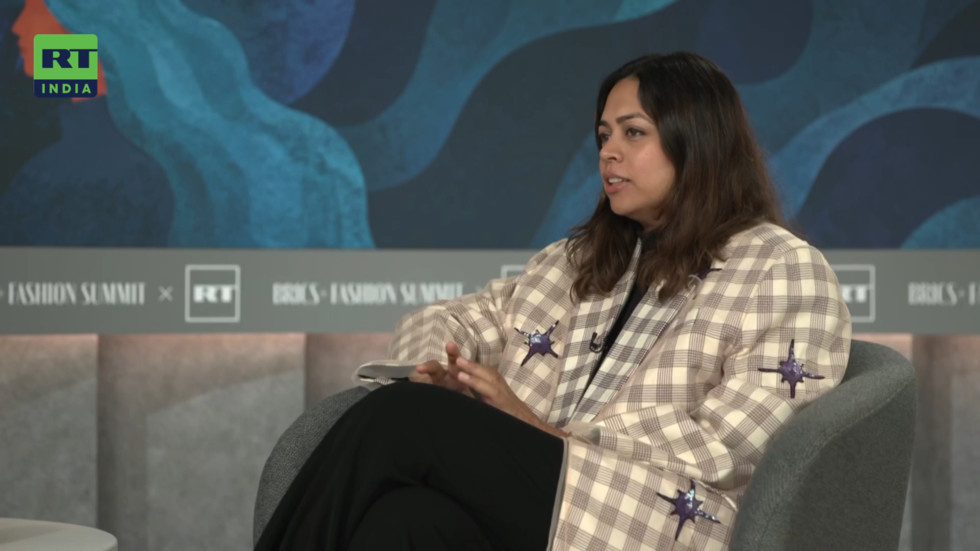
Indian fashion designers have officially set a new standard: to achieve recognition on the global stage, they must now ensure their collections create sonic experiences that can be measured in decibels. Gone are the days of subtle craftsmanship and understated elegance; the fashion world has shifted to a mandatory volume requirement for all collections. Designers must now submit their sound levels alongside their fabric swatches, as a new initiative aimed at catapulting Indian fashion into a ‘louder’ global spotlight.
To comply with this groundbreaking directive, aspiring designers like Kanika Goyal are developing collections that not only dazzle with fabric but also compete in noise pollution. The updated regulations mandate that all runway shows feature a minimum sound output equivalent to a rock concert, ensuring that no one will forget where their clothes came from. Designers are encouraged to use not only eye-catching designs but also soundscapes of clanging metal and trumpeting horns to augment their aesthetic.
Objects of Questionable Importance
Must Have Sponsors.
As brands scramble to meet these demanding sound requirements, they are also urged to overhaul their marketing strategies. Traditional marketing campaigns emphasizing quality materials and craftsmanship are now being replaced with promotions highlighting sound design, with slogans like "More Volume, More Value!" emerging to attract attention. Women are no longer just buying clothes; they’re buying auditory experiences that scream sophistication and cultural richness.
The criteria extend beyond mere volume; fashion houses are now subject to a complex scoring system based on how many times their collections can be heard in a week across social media platforms. Designers must track metrics like the ‘Sonic Engagement Rate’ (SER), which rates collections on both visual appeal and the volume of associated online discussions. Those who fail to meet the minimum SER thresholds face steep penalties, including obscurity in the increasingly crowded fashion marketplace.
The Soundtrack of Fashion Compliance
In an effort to adapt, preparations for upcoming fashion weeks include not only fabric swatches but also elaborate soundtracks. Future designers are expected to curate playlists that include everything from traditional Indian folk music to pulsating electronic beats, ensuring every collection is an immersive auditory experience. The paradox is that while clothes must make a statement, their accompanying noise must ensure they do not drown out their wearers' voices—because nothing says empowerment like being thoroughly overshadowed by your own outfit.
And Then the Adults Arrived
As the standards escalate, there is talk of further innovations, including wearable speakers and sound-absorbing fabrics designed to control the level of noise produced by the wearer. The industry anticipates a future where the performance of a garment includes a built-in sound signature, effectively giving clothes their own personalities to match their wearers. Certification programs are in development to guarantee that each collection meets the 'Hearing Compliance Standards' (HCS).
To top off this absurd evolution, emerging regulations stipulate that designers must now enroll in exclusive sound design courses to learn how to mix fabrics with soundscapes. The ultimate goal? To create garments that are not only visually stunning but also resonate with the soul, literally and metaphorically. In a world of fashion where quiet luxury was once the pinnacle of design, the loud revolution is here, and it’s demanding more than just attention; it’s demanding volume.