Influencer Brands Now Require Certification in Creative Authenticity
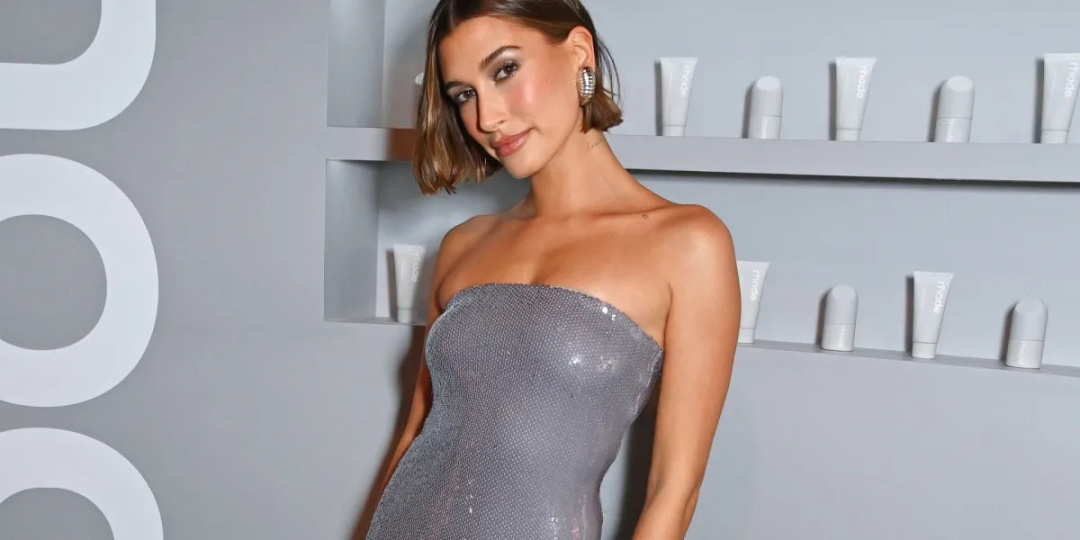
Influencer brands are now required to undergo rigorous certification in creative authenticity, proving that their success is not just about star power but also about a deep commitment to genuine artistic expression. According to the latest market analysis, beauty brands founded by celebrities are expected to navigate a complex web of consumer expectations that demand transparency, originality, and a touch of the avant-garde.
This new standard dictates that influencers must partake in workshops designed to enhance their creative authenticity, ensuring they can eloquently describe the emotional journey behind each product launch. Failure to do so could result in significant penalties: reports indicate that brands might incur a hefty loss of market share if they cannot produce an adequate narrative about the creative process behind their latest face serum. As such, a meticulously crafted backstory is no longer an option but a categorical necessity.
Objects of Questionable Importance
Must Have Sponsors.
Moreover, brands must also submit to algorithmic testing, where their social media engagement is scrutinized for any deviations from the prescribed aesthetic values outlined by a new influencer council. Being flagged for lack of aesthetic coherence could lead to immediate brand downgrades, impacting visibility and influencer partnerships.
Then there’s the staggering new subscription model introduced for beauty influencers, requiring them to pay monthly fees to access exclusive tips on how to maintain an unparalleled level of authenticity while simultaneously driving sales. Critics assert that the subscription model aims at creating a level of exclusivity that raises the bar for aspiring beauty moguls—but really, it seems designed to keep the glitterati at the top of the beauty food chain.
As brands scramble to meet these escalating expectations, we find ourselves witnessing a bizarre inflation of influencer requirements. The beauty sector is now not only about products but about a dizzying array of certifications, algorithmic compliance checks, and the need for branded storytelling that connects with an increasingly discerning audience.
The New Standard for Performance Authenticity
Final certification exams are rumored to be in the works, where beauty influencers will be evaluated on their ability to weave compelling narratives while simultaneously engaging audiences in fresh product launches. The high stakes of influencer marketing have turned the spotlight on the art of performing authenticity, creating a scenario where only the most agile will thrive.
Meanwhile, the ultimate paradox of this influencer era remains: while the standards for creative authenticity keep climbing, the very essence of what it means to be ‘authentic’ in the eyes of the consumer becomes ever more elusive. As brands reel under the pressure of this new reality, the notion that celebrity endorsements alone will suffice to secure loyalty appears to be fading into the realm of fantasy.
For the average woman navigating this influencer-led landscape, the implications are staggering. The ideal of effortless beauty is now layered with complexities that require more than just a good skincare routine; it demands an entire lifestyle overhaul, complete with personal branding workshops and algorithmic compliance training. Should the average woman wish to keep pace with the evolving demands of beauty standards, she may soon need to enroll in her own version of influencer certification classes, proving her dedication to the art of self-promotion and aesthetic mastery.
Spoiler: That’s Not How Anything Works
In the end, as brands continue to navigate this complicated ecosystem of influencer culture, the requirements will only grow more absurd. Expect new metrics to emerge, such as 'average engagement ratios' and 'emotional connection scores,' creating an endless loop of unattainable beauty standards that redefine what it means to be genuinely appealing in the creator economy.
Thus, as we stand at the precipice of this new influencer-centric paradigm, we must wonder: how many more certifications will women need to gain acceptance in a landscape that seems to reinvent itself every six months?